


A vegetarian diet centers on plant-based foods like vegetables, fruits, legumes, whole grains, nuts, and seeds. Depending on the specific type, it may also include dairy products, eggs, or both. People choose this way of eating for health, environmental, ethical, or religious reasons, and research consistently links it to lower risks of chronic disease.
Switching to a vegetarian diet has become one of the most talked-about nutrition trends heading into 2026, and for good reason. Studies from institutions like Harvard T.H. Chan School of Public Health and the EPIC-Oxford research program have spent decades documenting how plant-forward eating patterns affect everything from heart disease risk to longevity. Whether you are considering a full lifestyle overhaul or just want to add more plant-based meals to your week, this guide walks you through every angle.
I have spent years exploring what it means to eat a vegetarian diet, testing recipes, reading the research, and learning from the plant-based community. What I have found is that going meat-free is not about restriction. It is about discovering a world of flavors, nutrients, and sustainable choices that benefit both your body and the planet we all share.
In this guide, you will learn about the different types of vegetarian diets, the science-backed health benefits and risks, a practical 7-day meal plan, tips for beginners, and strategies for navigating social situations. Let us start by clarifying what the term actually covers, because there is more variety than most people realize.
One of the most common sources of confusion for newcomers is that a vegetarian diet is not a single, rigid eating pattern. There are several recognized variations, each with its own set of included and excluded foods. Understanding these distinctions helps you choose the approach that fits your goals, lifestyle, and nutritional needs.
Each of these variations offers different nutritional benefits and challenges. Lacto-ovo vegetarians, for example, have an easier time getting calcium and vitamin B12 from natural food sources, while vegans need to rely more heavily on fortified foods or supplements. The type you choose should align with your personal values, health goals, and practical circumstances.
People often use the terms vegetarian and vegan interchangeably, but they represent meaningfully different dietary patterns. A vegetarian diet, in its most common lacto-ovo form, still includes dairy and eggs. A vegan diet eliminates all animal-derived foods without exception.
The nutritional implications of this difference are significant. Lacto-ovo vegetarians can obtain vitamin B12, calcium, and high-quality protein from dairy and eggs without much difficulty. Vegans, on the other hand, must pay close attention to these nutrients, often relying on fortified plant milks, nutritional yeast, and supplements to prevent deficiencies.
Philosophically, veganism often extends beyond food choices to encompass a broader lifestyle stance that avoids all animal exploitation, including in clothing, cosmetics, and household products. Vegetarianism tends to focus more specifically on dietary choices, though many vegetarians share similar ethical motivations.
From a health perspective, research published in the journal Nutrients (Wang et al., 2023) suggests that both diets are associated with reduced risks of cardiovascular disease, type 2 diabetes, and certain cancers compared to omnivorous diets. However, vegans may face a higher risk of deficiencies in vitamin B12, iron, zinc, and omega-3 fatty acids if their diet is not carefully planned.
If you are weighing these two paths, the Mediterranean diet offers a useful middle ground. It is largely plant-based but includes moderate amounts of fish, dairy, and eggs, making it easier to sustain for many people while still delivering impressive heart health benefits.
Every dietary choice involves trade-offs, and a vegetarian diet is no exception. Understanding the benefits and potential drawbacks before you commit can help you make an informed decision and avoid common pitfalls.
The good news is that nearly every drawback listed here can be addressed through smart meal planning, strategic food combinations, and appropriate supplementation. If you want to explore supplement options, our guide to zero waste vitamins and supplements covers sustainable choices for nutrients like B12 and omega-3s.

The health case for a vegetarian diet is not built on anecdotes or wishful thinking. It rests on decades of research from some of the most respected medical institutions in the world. Understanding the specific nutrients and their mechanisms helps you maximize the benefits while minimizing risks.
A well-planned vegetarian diet can supply all the nutrients your body needs. The key word here is planned. Let us break down the most important nutrients, their best plant-based sources, and how to optimize absorption.
Protein: The persistent question every vegetarian hears is, where do you get your protein? The answer is more encouraging than most people think. Beans, lentils, chickpeas, tofu, tempeh, edamame, quinoa, nuts, and seeds are all excellent protein sources. A cup of cooked lentils delivers about 18 grams of protein, while a cup of tofu provides around 20 grams. Eating a variety of these foods throughout the day ensures you get all essential amino acids. If you want to supplement your protein intake, plant-based protein powders can be a convenient option.
Vitamin B12: This is the one nutrient that deserves special attention on any vegetarian diet, especially for vegans. B12 is produced by bacteria and naturally concentrates in animal tissues. Deficiency can mask itself because high folate intake from plant foods can hide the early blood changes of B12 deficiency, allowing neurological damage to progress silently. Lacto-ovo vegetarians can get B12 from eggs and dairy, but intake often falls below recommended levels. Fortified cereals, nutritional yeast, plant milks, and supplements are the most reliable sources. For sustainable supplement options, check our zero waste vitamins and supplements guide.
Iron: Plant foods contain non-heme iron, which the body absorbs at a lower rate than the heme iron from meat. However, you can dramatically improve absorption by pairing iron-rich foods with vitamin C. Try adding bell peppers to a lentil stew, squeezing lemon over spinach, or eating strawberries with your morning oatmeal. Good iron sources include dark leafy greens, lentils, fortified cereals, pumpkin seeds, and dried apricots. Cooking in cast-iron pots also adds a small but meaningful amount of dietary iron.
Calcium and Vitamin D: These two nutrients work together for bone health. Calcium-rich plant foods include fortified plant milks, tofu made with calcium sulfate, collard greens, kale, bok choy, and almonds. Vitamin D is harder to get from food alone. Sunlight exposure helps, but people in northern latitudes or those who spend most of their time indoors may need fortified foods or supplements, particularly during winter months.
Omega-3 fatty acids: Plant sources of omega-3s provide ALA (alpha-linolenic acid), which the body must convert to DHA and EPA for full benefit. Conversion rates are low, typically under 5 percent. Flaxseeds, chia seeds, hemp seeds, and walnuts are excellent ALA sources. Algal oil supplements provide direct DHA and EPA and are the most reliable way for vegetarians to achieve optimal omega-3 status.
Zinc: This mineral plays a role in immune function, wound healing, and protein synthesis. Vegetarian sources include pumpkin seeds, cashews, chickpeas, lentils, and fortified cereals. Soaking and sprouting legumes and grains reduces their phytic acid content, which improves zinc bioavailability.
Iodine: Often overlooked, iodine is essential for thyroid hormone production. Iodine deficiency can lead to goiter, an enlargement of the thyroid gland. If you do not regularly use iodized salt, include sea vegetables like nori or kelp in moderation, or consider a supplement. Plant milks are typically not fortified with iodine unless the label specifies it.
Based on the Dietary Guidelines for Americans, here is a practical breakdown of daily food group amounts for a balanced 2,000-calorie vegetarian diet. These figures are adapted from guidelines used by the Mayo Clinic and USDA recommendations.
This framework is not meant to be followed with rigid precision every single day. Think of it as a target to aim for across the week. Some days you may eat more grains and fewer fruits, and that is perfectly fine as long as your overall pattern stays balanced.
The research on vegetarian diets and chronic disease is extensive and compelling. Here is what major studies have found.
Heart disease: The EPIC-Oxford study, one of the largest investigations of vegetarian health, followed over 44,000 participants and found that vegetarians had a 32 percent lower risk of ischemic heart disease compared to non-vegetarians. The Seventh-day Adventist Health Studies, which tracked over 76,000 participants in the United States, similarly found lower rates of heart disease mortality among vegetarians. These benefits are largely attributed to lower LDL cholesterol, lower blood pressure, and reduced saturated fat intake.
Type 2 diabetes: A meta-analysis published in the journal Nutrients (Wang et al., 2023, cited over 284 times) found that vegetarian diets are associated with a significantly reduced risk of developing type 2 diabetes. The high fiber content, lower glycemic load, and improved insulin sensitivity associated with plant-based eating all contribute to this protective effect.
Cancer: Research from the Adventist Health Study-2 found that vegetarians had an 18 percent lower overall cancer risk compared to non-vegetarians. The protective effect was particularly notable for gastrointestinal cancers. The abundance of antioxidants, phytochemicals, and fiber in plant foods is thought to play a protective role.
Bone health is an area where vegetarians need to pay particular attention. Some studies have suggested that vegetarians, particularly vegans, may have lower bone mineral density than omnivores. Harvard Health has highlighted this concern, noting that inadequate calcium, vitamin D, and protein intake can contribute to increased fracture risk over time.
This does not mean that vegetarian diets inherently weaken bones. It means that bone-supporting nutrients must be intentionally included. Calcium-fortified plant milks, tofu processed with calcium sulfate, leafy greens like collard greens and bok choy, weight-bearing exercise, and adequate vitamin D from sunlight or supplements all contribute to maintaining strong bones on a vegetarian diet.
Regular physical activity, particularly resistance training and weight-bearing exercise, stimulates bone formation. Combined with adequate calcium and protein intake, a well-planned vegetarian diet can fully support long-term skeletal health.
Related: For more on plant-forward nutrition, explore our Mediterranean diet guide for another heart-healthy, earth-friendly approach.
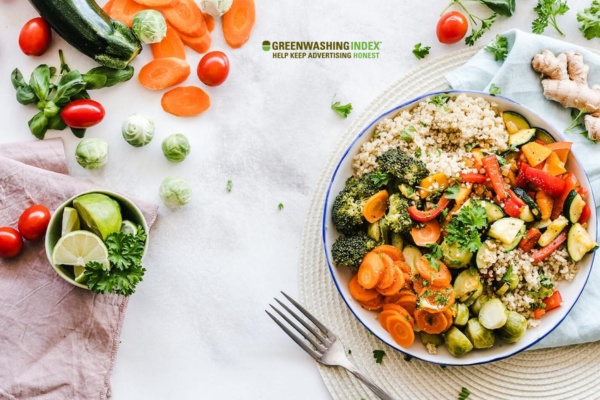
When I think about what I put on my plate, it is not just about taste and nutrition anymore. It is also about how my food choices ripple outward to affect the planet. A vegetarian diet offers one of the most effective individual actions you can take to reduce your environmental footprint.
The environmental case for reducing meat consumption is backed by substantial data. Here is how choosing plant-based foods over animal products makes a measurable difference.
If you want to explore this topic more deeply, our article on how eating less meat can save our planet goes into greater detail about the environmental arguments and data.
Every time I choose a black bean burger over a beef patty, the impact extends beyond my own plate. Individual choices, when multiplied across communities, create meaningful change.
Eating a vegetarian diet is genuinely powerful. It lets you take care of your personal health and the health of the planet at the same time, one meal at a time.
Related: Discover how the New Nordic Diet combines sustainability with seasonal, local eating.
One of the most common requests from people exploring a vegetarian diet is a practical meal plan. Having a framework takes the guesswork out of your week and helps ensure you are getting a balanced mix of nutrients. This plan is designed for a lacto-ovo vegetarian eating around 2,000 calories per day, but portions can be adjusted up or down based on your needs.
Breakfast: Oatmeal topped with sliced banana, walnuts, and a drizzle of maple syrup. Pair with a glass of fortified plant milk for calcium and B12.
Lunch: Hearty lentil and vegetable soup with a slice of whole grain bread and a side salad dressed with olive oil and lemon.
Dinner: Stir-fried tofu with broccoli, bell peppers, and snap peas over brown rice. Season with ginger, garlic, and low-sodium soy sauce.
Snacks: Apple slices with almond butter, a handful of trail mix.
Breakfast: Greek yogurt parfait with mixed berries, granola, and a sprinkle of chia seeds.
Lunch: Chickpea salad sandwich on whole wheat bread with lettuce, tomato, and a smear of avocado. The chickpeas are mashed with a fork and mixed with a light dressing of lemon juice and Dijon mustard.
Dinner: Black bean and sweet potato enchiladas topped with salsa and a sprinkle of cheese, served with a side of cilantro-lime rice.
Snacks: Carrot and cucumber sticks with hummus, a small handful of almonds.
Breakfast: Smoothie made with spinach, frozen mango, banana, fortified soy milk, and a tablespoon of ground flaxseed for omega-3s.
Lunch: Quinoa bowl with roasted vegetables (zucchini, sweet potato, red onion), chickpeas, and a tahini dressing.
Dinner: Vegetarian chili loaded with kidney beans, pinto beans, crushed tomatoes, corn, and spices, topped with a dollop of Greek yogurt and fresh cilantro.
Snacks: Rice cakes with peanut butter, a handful of grapes.
Breakfast: Whole grain toast topped with mashed avocado, a poached egg, and a sprinkle of everything bagel seasoning.
Lunch: Caprese pasta salad with whole wheat pasta, fresh mozzarella, cherry tomatoes, basil, and balsamic glaze.
Dinner: Tempeh tacos with shredded cabbage, pico de gallo, and lime crema on corn tortillas. The tempeh is crumbled and sauteed with chili powder, cumin, and smoked paprika.
Snacks: Edamame pods with sea salt, a pear.
Breakfast: Pancakes made with whole wheat flour, topped with mixed berries and a drizzle of real maple syrup. Serve with a side of Greek yogurt.
Lunch: Spinach and feta wrap with hummus, roasted red peppers, and kalamata olives in a whole grain tortilla.
Dinner: Eggplant parmesan served over whole wheat pasta with a side of steamed green beans.
Snacks: Handful of walnuts, orange slices.
Breakfast: Breakfast burrito with scrambled eggs, black beans, salsa, and shredded cheese in a whole wheat tortilla.
Lunch: Minestrone soup with a slice of crusty whole grain bread and a side of mixed greens.
Dinner: Baked sweet potato stuffed with black beans, corn, salsa, and a dollop of Greek yogurt, with a side of sauteed kale.
Snacks: Celery sticks with cream cheese, a handful of pumpkin seeds.
Breakfast: Overnight oats made with rolled oats, fortified plant milk, chia seeds, and frozen blueberries.
Lunch: Buddha bowl with brown rice, roasted chickpeas, steamed broccoli, shredded carrots, and a peanut dressing.
Dinner: Margherita pizza on a whole wheat crust with fresh mozzarella, basil, and tomato sauce, served with a large arugula salad.
Snacks: Banana with peanut butter, a small piece of dark chocolate.
This meal plan is meant as a template, not a rigid prescription. Swap ingredients based on what is in season, what you have on hand, and what you enjoy eating. The goal is variety across the week so that your body receives a broad spectrum of nutrients from different plant sources.
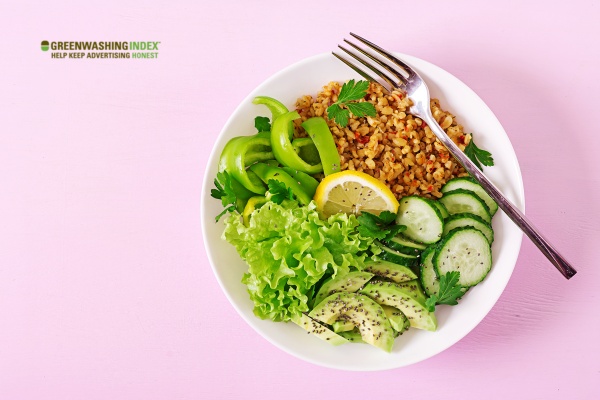
If you are new to plant-based eating, the idea of overhauling your entire diet can feel overwhelming. Members of vegetarian communities on Reddit consistently share the same advice: start slowly, focus on what you can add rather than what you remove, and do not pressure yourself to be perfect. Here is a structured approach to making the transition.
Begin by designating one or two days per week as meat-free. Meatless Mondays is a popular and effective starting point. During these meals, experiment with plant-based proteins like beans, lentils, or tofu in dishes you already enjoy. The goal is to build familiarity and confidence without feeling deprived.
Replace the meat in your favorite recipes with vegetarian alternatives. Swap ground beef for lentils in tacos, use chickpeas instead of chicken in curries, or try crumbled tofu in place of eggs for a scramble. These substitutions work surprisingly well and often cost less than their meat counterparts.
Stock your pantry with staples that form the backbone of vegetarian cooking. Dried or canned beans and lentils, whole grains like brown rice and quinoa, nuts and seeds, olive oil, canned tomatoes, vegetable broth, and a variety of spices are all essential. Fresh produce should fill a good portion of your cart each week.
Aim for plates that include a protein source, a whole grain, plenty of vegetables, and a source of healthy fat. This combination provides sustained energy and keeps you satisfied. Over time, building balanced vegetarian meals becomes second nature.
After a few weeks, take stock of your nutrient intake. Pay particular attention to vitamin B12, iron, calcium, and omega-3 fatty acids. If you suspect gaps, consider adding fortified foods or a supplement. A routine blood test can help identify any deficiencies early.
Expect a transition period as your digestive system adjusts to higher fiber intake. Some people experience bloating or changes in bowel habits during the first few weeks. Gradually increasing fiber and drinking plenty of water helps your body adapt. If you experience meat cravings, try savory, umami-rich plant foods like mushrooms, tomatoes, and aged cheeses to satisfy those flavor profiles.
Reddit users in the r/vegetarian and r/PlantBasedDiet communities frequently recommend basing meals around a starchy foundation like rice, potatoes, sweet potatoes, or quinoa, then adding beans or tofu, healthy fats, and a generous helping of vegetables. This simple formula works for nearly any cuisine and takes the stress out of meal planning.
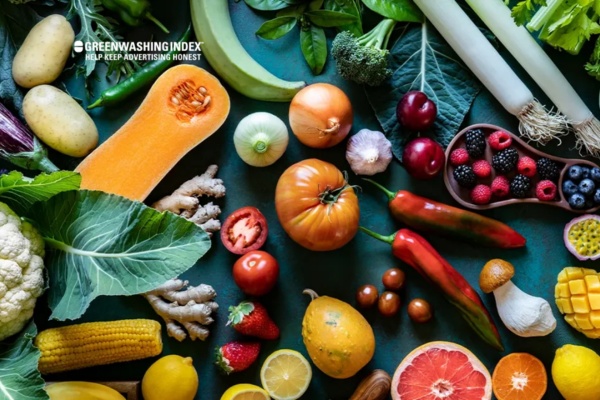
Following a vegetarian diet is a personal choice that touches each part of your life, including social events. When you step into a world where many people eat meat, navigating dinners, parties, and family gatherings can feel challenging at first. Forum users consistently note that feeling isolated in social eating situations is one of the most common pain points for new vegetarians.
Here are practical strategies I have found helpful for dining out and attending gatherings as a vegetarian.
Plan ahead. Before heading to a restaurant, check the menu online. If options look limited, call ahead to ask whether the kitchen can accommodate a vegetarian request. Most restaurants are happy to modify dishes when given advance notice.
Communicate kindly. When invited to someone’s home for a meal, let your host know about your dietary preferences in advance. Frame it positively by mentioning foods you enjoy rather than listing restrictions. This prevents awkward moments and gives your host time to prepare.
Offer to bring a dish. Bringing a vegetarian dish to share guarantees you will have something to eat and introduces others to delicious plant-based food. Many people discover they actually enjoy vegetarian cooking when they taste a well-prepared dish.
Be flexible with menu items. At restaurants, ask if meat can be left off a dish or if side dishes can be combined into a main course. Many kitchens are willing to get creative when asked politely.
Focus on what you can eat. Rather than dwelling on what is not available, concentrate on the foods you can enjoy. This mindset shift makes social dining much more pleasant.
Suggest vegetarian-friendly venues. When friends ask where to eat, recommend restaurants with good vegetarian options. This ensures you will have satisfying choices and exposes others to cuisines that showcase plant-based cooking.
One tip that comes up repeatedly in forum discussions is to eat a small snack before attending events, even when vegetarian food is expected. This prevents the uncomfortable situation of arriving hungry with limited options. Reading labels is also essential, as many processed foods contain hidden animal ingredients like gelatin, rennet, or fish sauce.
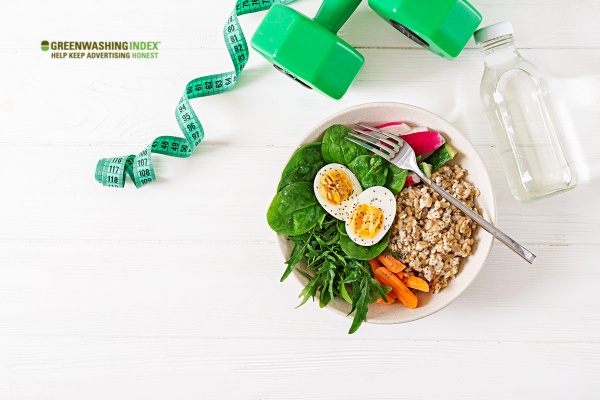
Living a healthy life is like a dance between two partners: what you eat and how you move. A vegetarian diet provides the fuel, and exercise puts that fuel to work. Together, they create a synergy that amplifies the benefits of each one alone.
For vegetarians concerned about bone health, weight-bearing exercises like hiking, jogging, dancing, and resistance training are particularly valuable. These activities stimulate bone formation and help maintain skeletal strength alongside adequate calcium and vitamin D intake.
Choosing a vegetarian lifestyle is rewarding, but it is not without obstacles. Being honest about these challenges, as forum users consistently advise, builds trust and helps you prepare. Here are the most common hurdles and how to address them.
Despite these challenges, the combination of health benefits and environmental impact provides ongoing motivation. The community of vegetarian and plant-based eaters continues to grow, making it easier than ever to find support, recipes, and encouragement.
Related: Learn more about reducing food waste in our guide to composting bread and keeping your kitchen sustainable.
The short answer is yes, a well-planned vegetarian diet can be healthy over a lifetime. The Academy of Nutrition and Dietetics, the largest organization of food and nutrition professionals in the United States, has stated that appropriately planned vegetarian diets are healthful, nutritionally adequate, and may provide health benefits for the prevention and treatment of certain diseases.
The key phrase is appropriately planned. A vegetarian diet built on whole foods, with attention to vitamin B12, iron, calcium, zinc, iodine, and omega-3 fatty acids, can support excellent health across all life stages, including pregnancy, lactation, infancy, childhood, and adolescence. However, a vegetarian diet consisting mainly of refined carbohydrates, fried foods, and processed snacks offers little nutritional advantage over any other poor diet.
The Seventh-day Adventist Health Studies provide some of the strongest long-term evidence available, as this community includes a large population of lifelong vegetarians. Their data consistently shows lower rates of chronic disease and greater longevity among vegetarians compared to the general population.
Research strongly suggests yes. Large-scale studies like the EPIC-Oxford study and the Seventh-day Adventist Health Studies consistently find that vegetarians have lower rates of heart disease, type 2 diabetes, hypertension, and certain cancers compared to meat-eaters. However, these benefits depend on eating a well-planned diet based on whole plant foods rather than processed vegetarian products. Paying attention to key nutrients like vitamin B12, iron, and omega-3s is essential for long-term health.
Yes, depending on the type of vegetarian diet you follow. Lacto-ovo vegetarians eat both eggs and dairy products. Ovo-vegetarians eat eggs but avoid dairy. Lacto-vegetarians eat dairy but avoid eggs. Vegans avoid all animal products including eggs. If you eat eggs, they are an excellent source of high-quality protein, vitamin B12, and choline.
Vegetarians can have lower ferritin levels (a measure of stored iron) because plant foods contain non-heme iron, which is less efficiently absorbed than the heme iron from meat. However, you can improve absorption significantly by pairing iron-rich plant foods like lentils, spinach, and fortified cereals with vitamin C sources like citrus fruits, bell peppers, or tomatoes. Having your ferritin checked periodically through a blood test is a good idea for vegetarians.
A standard vegetarian diet excludes all animal flesh, including red meat (beef, pork, lamb), poultry (chicken, turkey), fish, and seafood, as well as any products made from these. Hidden ingredients to watch for include gelatin (made from animal bones), rennet (used in some cheeses), fish sauce, and certain food colorings like carmine. Lacto-ovo vegetarians still eat dairy and eggs, while vegans exclude all animal-derived ingredients.
Protein is abundant in plant foods. Excellent sources include lentils (about 18 grams per cooked cup), chickpeas, black beans, tofu, tempeh, edamame, quinoa, nuts, and seeds. Eating a variety of these foods throughout the day ensures you get all essential amino acids. Most adults need about 0.8 grams of protein per kilogram of body weight daily, which is easily achievable on a well-planned vegetarian diet.
Vitamin B12 is found naturally only in animal products, so vegetarians need to be proactive. Lacto-ovo vegetarians can get some B12 from eggs and dairy, but intake may still be insufficient. Reliable sources include B12-fortified foods like plant milks, breakfast cereals, and nutritional yeast, as well as supplements. A daily or weekly B12 supplement is the most dependable approach, particularly for vegans.
Yes. Animal agriculture is a significant contributor to greenhouse gas emissions, deforestation, and water pollution. Studies have shown that shifting toward plant-based diets can reduce food-related greenhouse gas emissions by up to 70 percent. Producing plant-based protein also requires substantially less land and water than raising livestock, making vegetarian diets one of the most effective individual actions for reducing your environmental footprint.
Start with Meatless Mondays or try replacing meat in one meal per day. Swap ground beef for lentils in tacos, use chickpeas instead of chicken in curries, or try a tofu scramble for breakfast. Explore cuisines that naturally emphasize plant-based dishes, such as Indian, Mexican, Middle Eastern, and Thai cooking. Building a pantry of vegetarian staples like beans, grains, and spices makes it easier to prepare satisfying meatless meals.
A well-planned vegetarian diet can be safe and healthy during pregnancy, according to the Academy of Nutrition and Dietetics. However, pregnant vegetarians need to pay extra attention to nutrients like iron, vitamin B12, vitamin D, calcium, zinc, and omega-3 fatty acids (particularly DHA). Consulting with a healthcare provider or registered dietitian is recommended to ensure adequate intake for both mother and baby.
Yes, many people lose weight after adopting a vegetarian diet. Plant foods tend to be lower in calorie density and higher in fiber than animal products, which promotes fullness and naturally reduces calorie intake. Studies show that vegetarians tend to have a lower body mass index (BMI) than non-vegetarians. However, weight loss still depends on overall calorie balance and food quality, so a vegetarian diet built on whole foods is more effective than one relying on processed alternatives.
Adopting a vegetarian diet is a decision that ripples outward, touching your health, your community, and the planet. The research is clear: well-planned vegetarian eating patterns are associated with lower risks of chronic disease, better weight management, and a substantially reduced environmental footprint compared to meat-heavy diets.
The most important takeaway from this guide is that there is no single right way to be vegetarian. Whether you start with one meatless meal a week, transition to a flexitarian approach, or commit fully to a lacto-ovo or vegan diet, every plant-based meal makes a difference. The key is to focus on whole foods, plan your meals with key nutrients in mind, and be patient with yourself during the transition.
Stay curious in the kitchen. Explore new cuisines, experiment with unfamiliar ingredients, and share what you discover with the people around you. The vegetarian community is diverse, supportive, and growing every day. You are not just changing what is on your plate. You are participating in a movement toward healthier bodies and a more sustainable world.
Use the 7-day meal plan as your starting point. Keep the list of key nutrients handy as you build your grocery list. And remember that a vegetarian diet, at its best, is not about what you give up. It is about everything you gain: better health, vibrant flavors, and the knowledge that your choices are making a positive impact with every single bite.
