

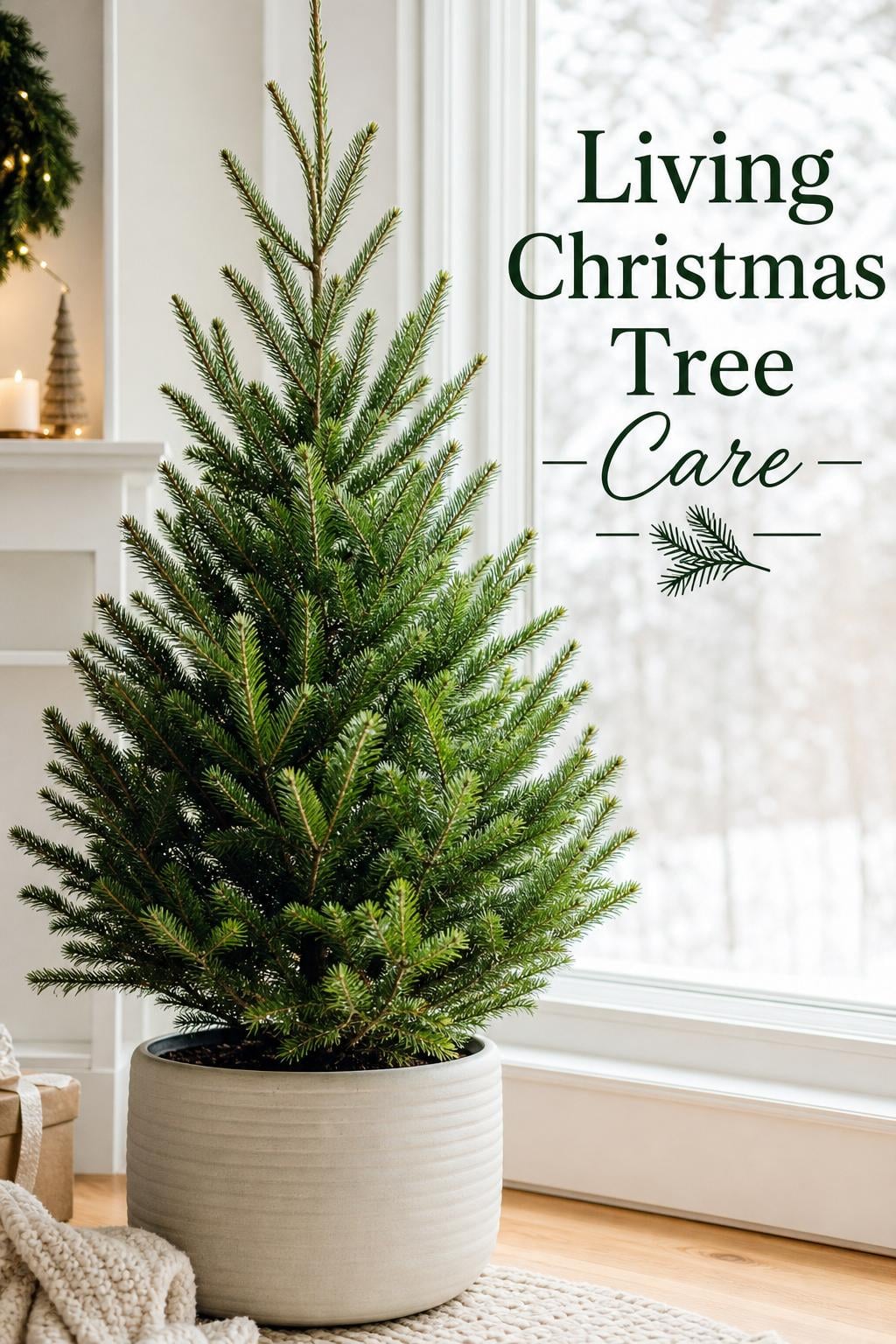
A living Christmas tree brings the unmatched fragrance of fresh evergreen indoors while offering something a cut tree never can: the chance to thrive for decades after the holidays end. Updated for 2026, this guide draws on guidance from university extension services, including the University of Illinois Extension and the Morton Arboretum, to help your potted or balled-and-burlapped conifer survive the festive season and flourish well beyond it. Whether this is your first year caring for a rooted holiday tree or you are refining a long-standing family tradition, the principles below will help you avoid the most common mistakes.
The single most important rule for keeping a living Christmas tree healthy sounds deceptively simple: limit indoor display time to five to seven days. According to Swansons Nursery, the University of Illinois Extension, and Master Gardeners of Northern Virginia, prolonged exposure to warm, dry indoor air breaks the tree’s winter dormancy. Once that happens, moving the tree back outside in January can shock and kill it. Every recommendation in this guide flows from that core principle of minimizing indoor stress.
If you are exploring greener holiday options beyond a rooted evergreen, you might also consider other sustainable Christmas tree alternatives that pair beautifully with an eco-conscious celebration. From living trees to recycled options, the goal is the same: reduce waste while keeping the joy of the season front and center.
Living Christmas tree care comes down to four pillars: choosing the right species, acclimating gradually between outdoor and indoor temperatures, providing proper water and humidity, and transitioning the tree back outside promptly. Master each of these and your tree can become a permanent landscape feature, growing taller with every passing year.
Choosing the right living Christmas tree begins with understanding that not all evergreens handle indoor conditions the same way. Your local hardiness zone, available pot size, and long-term plans for the tree all factor into the decision. A tree that thrives as a landscape specimen in USDA Zone 5 may struggle in Zone 9, and vice versa.
Master Gardeners of Northern Virginia, working through Virginia Cooperative Extension, emphasize that the best living Christmas tree species are those adapted to your local climate. Buy from a local nursery rather than a big-box store whenever possible. Nursery staff can confirm whether a particular conifer will survive in your yard after the holidays.
Living Christmas trees come in two primary forms, and the distinction matters for both care and replanting success. Container-grown trees have spent their entire lives in pots, developing a compact root system that handles indoor transitions relatively well. These are generally the easier option for first-time living tree owners.
Balled-and-burlapped trees, often labeled as B&B, are field-dug with their root ball wrapped in burlap and secured with wire. These tend to be larger and heavier, and they experience more transplant shock because a significant portion of their roots are left behind in the field. If you choose a B&B tree, plan to plant it outdoors permanently after the holidays rather than trying to keep it in a container year-round.
The Virginia Cooperative Extension also advises checking pot proportionality. A tall tree crammed into a tiny pot is likely root-bound and stressed before you even bring it home. Look for a container that seems reasonably matched to the tree’s above-ground size.
Different evergreen species offer different combinations of fragrance, branch strength, needle retention, and climate adaptability. Below is a comparison of the most popular living Christmas tree species, including the Norfolk Island Pine, which stands apart as the only option suited for extended indoor display.
Norfolk Island Pine (Araucaria heterophylla): The standout choice for anyone who wants a living tree that can stay indoors indefinitely. This tropical conifer does not require winter dormancy, making it the only species on this list that tolerates warm indoor conditions for weeks or months. Its soft, layered branches hold lightweight ornaments beautifully, though heavy decorations will bend them. Many owners keep Norfolk Island Pines as permanent houseplants, decorating them every December and enjoying them year-round.
Dwarf Alberta Spruce (Picea glauca ‘Conica’): A compact, dense, conical evergreen that rarely exceeds 10 to 13 feet at maturity. Its tight growth habit and slow rate make it well-suited for container growing. However, it is a true outdoor tree that needs winter dormancy and should follow the 5-7 day indoor rule. Hardy in USDA Zones 2 through 8.
Colorado Blue Spruce (Picea pungens): Prized for its striking silvery-blue needles and stiff branches that support heavy ornaments. The sharp needles can make decorating unpleasant without gloves. Blue Spruce is hardy in Zones 2 through 7 and makes an excellent landscape specimen, though it can eventually reach 50 feet in height.
Fraser Fir (Abies fraseri): Known for excellent needle retention, a pleasant fragrance, and strong upward-curving branches. Native to the Appalachian Mountains, Fraser Fir is hardy in Zones 4 through 7. It handles the brief indoor period well but should not stay inside longer than seven days.
Scots Pine (Pinus sylvestris): Also called Scotch Pine, this species features bright green to blue-green needles and distinctive orange bark on mature specimens. It is extremely cold-hardy (Zones 2 through 7) and adapts to a wide range of soil conditions, making it a reliable choice for post-holiday planting in northern climates.
Balsam Fir (Abies balsamea): One of the most fragrant evergreens available, Balsam Fir produces the classic Christmas tree scent. Its soft needles and symmetrical shape make it visually appealing. Hardy in Zones 3 through 6, it prefers cool, moist conditions.
Douglas Fir (Pseudotsuga menziesii): A popular choice with soft, radiating needles and a sweet citrus-pine fragrance. Douglas Fir grows quickly and can reach 70 feet or more, so it is best suited for properties with ample space. Hardy in Zones 4 through 6.
Noble Fir (Abies procera): Valued for its evenly spaced, sturdy branches that easily hold larger ornaments. Noble Fir is native to the Pacific Northwest and prefers cool, moist, well-drained soil. Hardy in Zones 5 through 6.
Always confirm with your local nursery which species will thrive in your specific hardiness zone. A tree that cannot survive your local winter will not become the lasting landscape feature you are hoping for.
Forum discussions on Reddit’s Christmas communities consistently highlight that Norfolk Island Pine owners report the highest satisfaction rates for year-round indoor keeping. Users describe keeping the same tree for five or more years, decorating it annually without any transition stress. For outdoor species, Fraser Fir and Dwarf Alberta Spruce receive the most positive feedback for post-holiday survival.
Inspecting a living Christmas tree before buying protects you from bringing home a stressed or diseased plant. Start with the needles, which should feel supple and show consistent color across the entire tree. Gently pull on a small branch. If more than a few needles come loose, the tree may already be drought-stressed.
Look for even needle distribution with no bald patches or significant thinning. Check the bark for unusual oozing, cracks, or bore holes that could indicate pest activity. Spider mites leave fine webbing between needles, while scale insects appear as small bumps on branches. The trunk should be straight and solid with no splits.
Perform the shake test by lifting the tree a few inches and setting it down gently. A healthy living tree should shed very few needles. Finally, inspect the root ball or pot drainage holes. Roots circling the drainage holes signal a root-bound tree that will need prompt repotting. A loose or crumbling root ball on a B&B tree may mean the roots have dried out during transport and storage.
Also Read: Christmas Party Secrets: Ditch Plastic for Eco-Friendly Fun!
Before your tree crosses the threshold, the right indoor environment must be ready. The goal is to mimic outdoor winter conditions as closely as possible: cool temperatures, bright indirect light, and adequate humidity. A few hours of preparation will significantly reduce stress on the tree.
Find the coolest suitable spot: Choose a location away from fireplaces, radiators, heating vents, and south-facing windows that receive direct sun. The ideal indoor temperature for a living Christmas tree ranges from 65 to 70 degrees Fahrenheit (18 to 21 degrees Celsius).
Clear adequate space: The tree needs airflow around all sides. Avoid wedging it into a tight corner where heat and moisture cannot circulate.
Prepare a drip tray or saucer: Place a waterproof tray under the pot to protect flooring. The tray should catch runoff without allowing the pot to sit in standing water, which causes root rot.
Keep a turkey baster nearby: A simple kitchen turkey baster is the most effective tool for removing excess water from the saucer after each watering. This tip, recommended by Master Gardeners of Northern Virginia, prevents the root ball from sitting in soggy conditions.
Trees experience temperature shock when moved abruptly from cold outdoor air to warm indoor rooms. A gradual acclimation period reduces this risk significantly. Plan to begin the process several days before you want the tree fully decorated indoors.
Stage in a sheltered outdoor area: When you bring the tree home, place it in a garage, shed, or covered porch for two to three days. This intermediate environment bridges the gap between outdoor cold and indoor warmth.
Move to an unheated interior space: Transfer the tree to an attached garage or unheated mudroom for another one to two days. This step allows the tree to adjust to reduced light and still air before entering your living space.
Bring indoors for the display period: Move the tree to its prepared indoor location. This is when you can decorate. Remember that the clock starts ticking the moment the tree enters your heated home.
Reverse the process when the holidays end: Move the tree back through the garage or mudroom over several days before placing it in its final outdoor location. Never move a tree directly from a 70-degree living room into freezing January air.
Reddit users who gradually acclimated their trees report dramatically higher survival rates than those who skipped this step. The few extra days of patience can make the difference between a tree that thrives and one that dies before spring.
Also Read: Christmas Lights Recycling: Brighten Your Eco-Holiday!
This question deserves its own section because it is the most critical factor in living tree survival, yet it is the piece of advice most commonly missing from casual care guides. Every authoritative source on the SERP, from Swansons Nursery to the University of Illinois Extension to the Morton Arboretum, agrees on one rule: keep living Christmas trees indoors for no more than five to seven days.
The reason comes down to dormancy. Outdoor evergreens enter a dormant state in late fall as temperatures drop. Their metabolism slows, water uptake decreases, and they stop producing new growth. Warm indoor temperatures trick the tree into thinking spring has arrived. The tree begins breaking dormancy, resumes active growth, and loses its cold hardiness. When you move that actively growing tree back into freezing January temperatures, the shock can be fatal.
The University of Illinois Extension recommends keeping living trees inside for only four to five days total. Swansons Nursery allows up to seven days as an absolute maximum. Some experienced gardeners keep their trees indoors for just three or four days around Christmas itself, wheeling the tree back outside to a sheltered porch or garage overnight.
The key insight, often discussed in Reddit’s r/ChristmasTrees community, is that indoor damage may not be visible immediately. A tree can look perfectly healthy in January but fail to produce new growth in spring because its vascular system was damaged by the dormancy-breaking cycle. By the time the problem becomes apparent, it is too late to correct.
For families who want a decorated tree for the entire month of December, the solution is a Norfolk Island Pine. Because this tropical species does not require winter dormancy, it can remain indoors indefinitely without the same risks. Alternatively, plan your living tree display around the days closest to Christmas itself, treating the indoor period as a brief and special event rather than a month-long arrangement.
Once your tree is indoors, three factors determine whether it emerges from the holiday season in good health: water, temperature, and humidity. Getting each one right requires attention but not expertise. The guidelines below draw on recommendations from the Morton Arboretum, Mississippi State University Extension, and Ohio State University’s Buckeye Yard and Garden OnlineLine.
Consistent soil moisture is the foundation of living Christmas tree care. The goal is to keep the root ball evenly moist, never waterlogged and never bone dry. Check the soil daily by inserting your finger about an inch below the surface. If it feels dry at that depth, it is time to water.
The National Christmas Tree Association provides a specific, measurable guideline that also appears in Google’s featured snippet: provide approximately 1 quart of water per inch of trunk diameter. This translates to roughly 1 quart for a 2-inch trunk, 1.5 quarts for a 3-inch trunk, and so on. For potted trees, water until moisture begins to exit the drainage holes, then stop.
Water in the morning: Morning watering gives the tree the full day to absorb moisture and allows any surface water to evaporate before cooler evening temperatures set in.
Use room-temperature water: Ice-cold tap water can shock the root system. Lukewarm or room-temperature water is gentler and absorbs more evenly into the root ball.
Remove excess water promptly: Use a turkey baster to suction standing water from the drip tray within 30 minutes of watering. Roots that sit in water for extended periods are susceptible to rot.
Skip the additives: Despite popular forum advice, do not add aspirin, sugar, corn syrup, soda, or commercial preservatives to the water. Horticulturists at Birds and Blooms confirm that plain water is all a tree needs. Additives can actually promote bacterial growth that clogs the tree’s ability to absorb moisture.
Swansons Nursery recommends a clever technique that addresses both watering and root temperature: place ice cubes on top of the soil surface around the base of the trunk. As the ice melts slowly, it provides a steady release of moisture that keeps the root zone cool. This is particularly valuable indoors where ambient temperatures are warmer than the tree prefers.
Use six to ten ice cubes depending on pot size, replenishing them every morning during the indoor display period. The slow melting action prevents overwatering while maintaining consistent root zone moisture. Many Reddit users in the r/lifehacks and r/ChristmasTrees communities report excellent results with this method.
Position your living Christmas tree in the coolest room of your home, near a window that provides bright, indirect light. Avoid direct sunlight through glass, which can scorch needles and raise the temperature around the tree well above ambient room conditions.
Maintain indoor temperatures between 65 and 70 degrees Fahrenheit (18 to 21 degrees Celsius). If you normally keep your thermostat higher, consider lowering it in the room where the tree is displayed. Every degree cooler benefits the tree. Keep the tree at least 3 feet from any heat source, including fireplaces, space heaters, radiator vents, and even television sets that generate warmth.
Cold drafts from exterior doors and leaky windows also cause stress. Choose a location with stable temperatures rather than one that fluctuates each time a door opens. Closing heating vents in the tree’s room is one of the simplest ways to keep conditions cool.
Indoor air during winter is notoriously dry. Heated homes often have humidity levels below 20 percent, while evergreens prefer 40 to 60 percent humidity. Without intervention, dry air pulls moisture from the tree’s needles faster than the roots can replace it, leading to browning and needle drop.
The most effective solution is a room humidifier positioned near the tree. Ultrasonic humidifiers, frequently recommended in Reddit forums, can raise ambient humidity to the target range without wetting the tree directly. Set the humidifier to maintain 40 to 60 percent relative humidity, checking with an inexpensive hygrometer.
A pebble tray offers a low-tech alternative. Fill a wide, shallow tray with pebbles, add water to just below the top of the pebbles, and set the tree’s pot on top. As the water evaporates, it creates a localized humidity zone around the tree. Ensure the pot itself does not sit in the water, which would promote root rot.
What about misting? This advice is debated among experts. Some gardeners advocate gentle misting of the needles every other day. However, horticulturists cited by Birds and Blooms note that trees absorb water through their root systems, not their needles, making misting far less effective than a humidifier or pebble tray. If you do mist, do so lightly in the morning so moisture evaporates before evening. Heavy misting that leaves water droplets on needles for extended periods can actually encourage fungal problems. For reliable results, prioritize humidifiers and pebble trays over misting.
Grouping the tree near other houseplants creates a microclimate of slightly elevated humidity, as surrounding plants release moisture through transpiration. Every small contribution helps during the dry indoor weeks.
The lights you string on a living Christmas tree affect its health more than most people realize. Traditional incandescent bulbs generate significant heat, and that heat dries out needles and raises the temperature immediately surrounding the branches. For a cut tree, this causes faster drying. For a living tree trying to maintain dormancy, the consequences can be more serious.
LED Christmas lights produce almost no heat. They consume a fraction of the electricity, last longer, and eliminate the risk of hot bulbs desiccating nearby needles. Multiple competitors on the SERP, along with the AI Overview generated by Google, specifically recommend LED lights for living trees. If you already own incandescent lights, consider upgrading to LEDs for the tree while using your older sets elsewhere in your holiday display.
Regardless of light type, turn the tree’s lights off overnight. Eight to ten hours of illumination per day is more than enough for visual impact and minimizes any cumulative drying effect on the foliage.
Also Read: Egg Carton Recycling: A Path to Sustainable Lifestyle
During the brief indoor period, your living Christmas tree needs monitoring but not intensive maintenance. The two areas to watch closely are soil moisture and pest activity. A quick two-minute inspection each day will catch problems before they escalate.
Check soil moisture every day or two using the finger test described earlier. The top inch of soil should feel slightly moist but not wet. Water only when this layer feels dry, and always remove excess water from the drip tray afterward.
Do not fertilize during the winter months or the indoor display period. Fertilizing encourages new growth at a time when the tree should be dormant. Applying fertilizer now pushes tender new shoots that will be damaged when the tree returns to cold outdoor conditions. Save fertilizing for spring, when the tree is established outdoors and naturally beginning its growth cycle.
If you notice the soil surface becoming hard or repelling water, gently loosen the top layer with a small hand cultivator or fork. This improves water penetration without disturbing the root ball. Avoid poking deeply, as root damage at this stage adds unnecessary stress.
Living Christmas trees occasionally bring hitchhikers indoors. Spider mites, aphids, and scale insects are the most common culprits. Inspect the tree before bringing it inside by examining branch undersides and needle joints with a flashlight. Look for webbing, sticky residue (honeydew), tiny moving specks, or cottony masses.
If you find pests, treat the tree outdoors before it comes inside. A strong spray of water from a garden hose dislodges many insects. For persistent problems, insecticidal soap applied according to label directions is effective and safe. Allow the tree to dry fully before moving it indoors.
Fungal issues are less common during the indoor period but can develop if the tree stays too wet. Signs include white powdery coating on needles, dark spots on foliage, or a musty smell from the soil. If any of these appear, reduce watering immediately and improve airflow around the tree.
One often-overlooked preventive measure: spray the tree with an antitranspirant product such as Wilt Stop before bringing it indoors. These products coat the needles with a thin film that reduces moisture loss through transpiration. Swansons Nursery specifically recommends this step for living trees entering dry indoor environments. Apply the antitranspirant outdoors on a day when temperatures are above freezing, and let it dry completely before moving the tree inside.
Also Read: DIY Face Masks: Your Guide to Eco-Friendly Creations
The moment the holidays end, your attention should shift to getting the tree back outdoors safely. The transition out of the house is just as critical as the transition in, and rushing it can undo all the careful acclimation you did beforehand. Plan the move in stages over five to seven days.
Move to an unheated garage or mudroom: Keep the tree in this intermediate space for three to five days. This allows it to gradually re-enter dormancy without the shock of a sudden temperature drop.
Check the weather forecast: Wait for a stretch of above-freezing temperatures before moving the tree to its permanent outdoor location. Avoid planting during extreme cold, high wind, or heavy precipitation.
Water thoroughly before planting: Soak the root ball so that moisture penetrates completely. A well-hydrated tree handles transplant shock better than a dry one.
Dig the planting hole before the ground freezes: If you live in a cold climate, prepare the hole in late fall before hard frost sets in. Store the excavated soil in a garage or shed so it remains workable when you need it.
Plant at the correct depth: The root flare (where the trunk widens at the base) should sit at or slightly above soil level. Planting too deep suffocates roots and is a leading cause of tree failure.
Water and mulch: Apply a 2 to 3 inch layer of mulch around the base, keeping it a few inches away from the trunk. Water deeply after planting and continue to water during winter dry spells when the ground is not frozen.
If the ground is already frozen solid when the holidays end, you cannot plant the tree immediately. Instead, use a technique called heeling-in. This involves temporarily burying the root ball (pot and all, or burlap-wrapped) in a sheltered outdoor location covered with mulch, straw, or leaves.
Choose a spot protected from wind on the north or east side of a building. Dig a shallow trench, place the root ball in it, and pack mulch or soil around it up to the lower branches. This insulates the roots from freezing temperatures while keeping the tree in its dormant state until spring planting conditions arrive.
For potted trees that will remain container-grown, move the pot to a sheltered location such as an unheated garage or against a protected wall. Wrap the pot in burlap or bubble wrap to insulate the roots from temperature fluctuations. Container-grown trees are more vulnerable to root freezing than in-ground trees because their roots lack the earth’s insulating buffer.
Once the tree is established outdoors, minimal pruning is needed. Remove only dead, damaged, or diseased branches in late winter or early spring before new growth begins. Use clean, sharp pruning shears disinfected with rubbing alcohol between cuts to prevent disease transmission.
Avoid shearing or shaping the tree into a tighter form than its natural habit unless you are maintaining a formal hedge or topiary. Over-pruning stresses the tree and removes the growth it needs to produce energy through photosynthesis. Light tip pruning to control wayward branches is acceptable.
Apply a slow-release evergreen fertilizer in early spring as new growth begins. Follow package directions for the tree’s size, and water thoroughly after application. Avoid late-season fertilizing, which can push tender new growth that will not harden off before winter.
During summer, monitor soil moisture around newly planted trees weekly for the first year. A tree that was indoors for a week in December needs consistent outdoor care through its first full growing season to recover fully. For more ideas on incorporating your newly planted tree into your landscape, explore these yard landscaping ideas for placement and design inspiration.
Also Read: Green Friday: Essential Guide to Eco-Friendly Black Friday
A living Christmas tree that has been successfully transitioned outdoors becomes a permanent garden resident. With proper long-term care, many species will grow for decades. Some families develop traditions around visiting their previous years’ trees, watching them grow from compact holiday centerpieces into stately landscape specimens.
For trees you intend to keep in containers, repotting becomes necessary every two to three years. Signs that a tree has outgrown its pot include roots emerging from drainage holes, slowed or stunted growth, and water that runs straight through the pot without being absorbed. Spring is the ideal time to repot, as the tree is entering its active growth phase.
Select a new container that is 2 to 4 inches wider in diameter than the current one. Ensure it has adequate drainage holes. Use a well-draining potting mix formulated for trees and shrubs, never garden soil, which compacts in containers and restricts root development. Gently loosen the root ball before placing it in the new pot, and water thoroughly after repotting.
For trees that have grown too large for any container, permanent planting in the ground is the next step. Choose a location with appropriate sun exposure, well-drained soil, and enough space for the tree to reach its mature size without conflicting with structures, power lines, or other plantings.
Year-round care follows a seasonal rhythm. Each season brings different priorities for keeping your living Christmas tree healthy and vigorous.
Spring: Apply slow-release fertilizer as new growth emerges. Check for winter damage and prune any broken branches. Begin a regular watering schedule for newly planted trees.
Summer: Water deeply during dry periods, providing the equivalent of 1 inch of rainfall per week. A 2 to 3 inch mulch layer conserves moisture and suppresses weeds. Monitor for pest activity, which peaks in warm weather.
Fall: Stop fertilizing six weeks before the first expected frost to allow new growth to harden off. Continue watering until the ground freezes. Apply a fresh layer of mulch to insulate roots for winter.
Winter: For container-grown trees, insulate pots with burlap or move them to a sheltered location. Water occasionally during winter thaws when the ground is not frozen. Protect young trees from deer browsing with netting or fencing.
Long-term monitoring also means watching for slow-developing problems. Branch dieback, excessive needle drop, or thinning canopy can indicate root issues, pest pressure, or environmental stress. Catching these signs early allows for corrective action before the tree declines significantly.
Understanding how living trees compare to cut and artificial options helps you make an informed decision about whether a rooted tree is right for your household. Each type has distinct advantages and trade-offs.
Living Christmas trees offer the greatest environmental benefit. They capture carbon dioxide, provide wildlife habitat when planted outdoors, and can be enjoyed for decades. They require the most planning: acclimation time, strict indoor limits, and post-holiday planting. They also tend to cost more upfront than cut trees of similar size.
Cut Christmas trees are simpler to care for during the holidays. They can stay indoors for the entire season without dormancy concerns. However, they are single-use. After the holidays, they end up as mulch, compost, or landfill waste. While real cut trees are biodegradable and many are grown on sustainable farms, the annual purchase and disposal cycle adds up over the years.
Artificial trees offer convenience and reusability but come with significant environmental costs. Most are manufactured from PVC plastic and metal, shipped globally, and ultimately end up in landfills where they do not decompose. The typical artificial tree has a carbon footprint equivalent to several years of cut tree purchases, and it provides none of the ecological benefits of a real tree.
For households committed to reducing their environmental footprint, a living tree represents the most sustainable choice. If a living tree is not feasible, cut trees from local farms remain a reasonable option. You can explore a wider range of sustainable Christmas tree alternatives to find the option that best matches your values and circumstances.
The environmental case for living Christmas trees aligns naturally with an eco-conscious lifestyle. A single evergreen tree planted in your yard continues absorbing carbon dioxide for decades. It provides shade that can reduce home cooling costs, creates habitat for birds and beneficial insects, and stabilizes soil against erosion.
Virginia Cooperative Extension Master Gardeners highlight the concept of a “Christmas grove,” where families plant each year’s living tree in a designated area of their property. Over time, this grove becomes a living record of holiday memories and a meaningful landscape feature that grows alongside the family.
For those who cannot plant trees on their own property, some communities offer living tree rental programs. The tree is delivered in a pot, displayed indoors for the approved period, then collected and planted in parks or restoration projects. This option captures the benefits of a living tree without requiring permanent yard space.
Even if replanting is not possible, a living tree can still serve an environmental purpose after the holidays. Birds and Blooms suggests placing the tree outdoors as temporary wildlife shelter, where birds and small animals use its branches for protection during the coldest winter months. Eventually, the tree can be chipped into mulch for garden paths and beds.
Even with the best intentions, certain mistakes repeatedly cause living Christmas trees to fail. Reviewing this list before and during the holiday season can prevent disappointment and tree loss.
Keeping the tree indoors too long: The single most damaging mistake. Exceeding the 5-7 day limit breaks dormancy and dramatically reduces survival odds. Set a calendar reminder for when the tree must go back outside.
Skip the acclimation period: Moving the tree directly from cold to warm or warm to cold causes temperature shock. Always use the garage or mudroom transition zone.
Overwatering: More water is not better. Soggy soil suffocates roots and promotes rot. Check with the finger test before adding any water.
Letting the root ball dry out completely: Going too far the other direction is equally fatal. A root ball that dries completely may never fully rehydrate. Consistency is the goal.
Placing the tree near heat sources: Fireplaces, vents, and radiators accelerate moisture loss and warm the tree out of dormancy. Maintain at least 3 feet of clearance.
Using incandescent lights: Hot bulbs dry needles and raise local temperature. Switch to LED lights for any tree, but especially for a living one.
Fertilizing during winter: Fertilizer pushes tender new growth at the wrong time. Save it for spring when the tree is outdoors and actively growing.
Adding aspirin, sugar, or soda to the water: These home remedies have no scientific backing and can promote harmful bacterial growth. Plain water is all the tree needs.
Planting too deep: Burying the root flare below soil level is a leading cause of tree failure. The flare should be visible at the soil surface.
Not preparing the planting hole before winter: In cold climates, the ground may be frozen solid by January. Dig the hole in late fall and store the soil where it will not freeze.
Avoiding these pitfalls is straightforward with a little planning. The reward is a healthy tree that becomes a lasting part of your landscape and your family’s holiday tradition.
Place the tree in the coolest room of your home, away from heat sources, and maintain temperatures between 65 and 70 degrees Fahrenheit. Water when the top inch of soil feels dry, providing roughly 1 quart per inch of trunk diameter. Use LED lights instead of incandescent, and keep the tree indoors for no more than 5 to 7 days to prevent breaking dormancy. Maintain humidity between 40 and 60 percent using a humidifier or pebble tray.
The most important factor is limiting indoor time to 5 to 7 days maximum. Acclimate the tree gradually through an unheated garage before and after the indoor period. Keep the soil consistently moist but not waterlogged, use an antitranspirant spray like Wilt Stop before bringing the tree inside, and maintain cool indoor temperatures with bright indirect light. Using LED lights and a room humidifier further reduces stress on the tree.
University extension services recommend keeping living Christmas trees indoors for no more than 5 to 7 days. The University of Illinois Extension advises only 4 to 5 days. Warm indoor temperatures cause the tree to break dormancy, and once that happens, returning the tree to freezing outdoor conditions can be fatal. Norfolk Island Pine is the exception, as it is a tropical species that can stay indoors indefinitely.
Yes, you can replant a living Christmas tree after the holidays if it still has its root system intact. Acclimate the tree gradually back to outdoor temperatures through a garage or sheltered area. If the ground is not frozen, plant the tree at the same depth it grew in the container, water thoroughly, and apply mulch. If the ground is frozen, heel-in the root ball in a sheltered location with mulch until spring.
A living Christmas tree typically needs approximately 1 quart of water per inch of trunk diameter each day. Check soil moisture daily by inserting your finger an inch below the surface, and water only when the soil feels dry at that depth. Remove excess water from the drip tray within 30 minutes of watering to prevent root rot. The ice cube watering technique provides slow, consistent moisture while keeping the root zone cool.
Misting is debated among experts. While some gardeners mist needles every other day, horticulturists note that trees absorb water through their root systems, not their needles, making misting less effective than it seems. A room humidifier set to 40 to 60 percent humidity or a pebble tray under the pot are more reliable methods for maintaining adequate moisture levels around the tree.
Norfolk Island Pine is the best species for extended indoor display because it is a tropical conifer that does not require winter dormancy and can live indoors year-round. For brief holiday display (5 to 7 days), Fraser Fir, Dwarf Alberta Spruce, and Colorado Blue Spruce are excellent outdoor choices that can be planted in the landscape afterward. Choose a species suited to your USDA hardiness zone for the best chance of long-term survival.
No. Horticulturists and university extension services consistently advise against adding aspirin, sugar, corn syrup, soda, bleach, or commercial preservatives to the water for living trees. These additives provide no proven benefit and can actually promote bacterial growth that clogs the tree’s ability to absorb moisture. Plain room-temperature water is all the tree needs.
Yes, you can keep certain species in pots year-round, particularly Dwarf Alberta Spruce and other slow-growing conifers. Repot every 2 to 3 years into a container 2 to 4 inches wider, using a well-draining potting mix. Insulate the pot during winter with burlap or move it to a sheltered location, as container-grown roots are more vulnerable to freezing than in-ground roots.
Caring for a living Christmas tree is a rewarding practice that combines holiday tradition with environmental stewardship. The principles are straightforward: choose a species suited to your climate, acclimate gradually, limit indoor time to 5 to 7 days, water consistently without overwatering, and transition the tree back outdoors promptly. Following these guidelines gives your tree the best possible chance of thriving long after the ornaments are packed away.
The effort invested in living Christmas tree care pays dividends for years. Each successfully transitioned tree becomes a permanent part of your landscape, capturing carbon, providing wildlife habitat, and growing alongside your family’s traditions. Some households plant a new tree every few years, gradually building a Christmas grove that serves as a living timeline of holiday memories.
If you are looking for additional ways to make your holidays more sustainable, consider exploring eco-friendly Christmas gifts to place under your thriving tree. Pairing a living Christmas tree with thoughtful, sustainable choices throughout the season creates a celebration that honors both the joy of the holidays and the health of the planet we share.
