

Every year, over 552 million plastic shampoo bottles end up in landfills and oceans, taking hundreds of years to decompose. Making the switch to zero waste shampoo represents one of the simplest yet most impactful changes you can make in your personal care routine. This comprehensive guide will walk you through everything you need to know about plastic-free shampoo options, from choosing the right solid shampoo bar for your hair type to mastering proper storage techniques that extend product life.
Whether you are curious about shampoo bars for dry hair, wondering how to navigate the transition period, or seeking refillable shampoo systems that align with your values, you will find practical answers here. We have researched and tested dozens of sustainable hair care brands to bring you honest assessments of the top performers in the eco-friendly hair care space.
By the end of this guide, you will understand not just which brands lead the pack, but how to use these products effectively, what ingredients to prioritize, and how to troubleshoot common issues like hard water buildup. If you are also concerned about overall ingredient safety beyond just packaging, explore our recommendations for non-toxic shampoos and conditioners to complement your zero waste journey.
The zero waste shampoo market has expanded dramatically, with innovative brands offering everything from concentrated liquid refills to artisanal solid shampoo bars. These companies share a commitment to reducing plastic pollution while delivering salon-quality results through natural ingredients like coconut oil, shea butter, and essential oils. Each brand brings unique strengths to the table, whether that is refillable aluminum bottles, compostable packaging, or formulations specifically designed for curly or color-treated hair.
Below you will find detailed profiles of fifteen standout brands that have earned loyal followings among eco-conscious consumers. We have examined their ingredient philosophies, sustainability certifications, packaging innovations, and real user feedback to help you identify which options best match your hair care needs and environmental values.
Butter Me Up Organics crafts handmade personal care products using certified organic ingredients and zero synthetic additives. Their shampoo bars and hair care items arrive in glass containers, metal tins, or recycled paper wrapping, completely eliminating plastic from their packaging pipeline. The brand focuses on therapeutic formulations that address specific scalp concerns while maintaining gentle cleansing properties suitable for sensitive skin types.
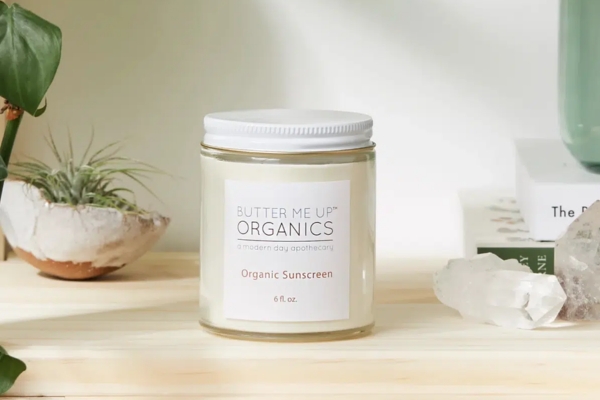
Key Strengths: Their commitment to organic certification ensures every ingredient meets strict purity standards. The brand utilizes cruelty-free practices throughout production, never testing on animals at any stage. Products contain therapeutic botanicals that target specific concerns like scalp irritation and dryness while remaining free from parabens, sulfates, and artificial fragrances.
Considerations: Premium organic ingredients command higher prices compared to conventional drugstore options. Limited retail partnerships mean most purchases happen through their online store, which can inconvenience shoppers who prefer in-person browsing. Some specialty items like their toilet cleaning tabs have received mixed effectiveness feedback from users.
Standout Offerings: Their activated charcoal soap works exceptionally well for oily scalps prone to buildup, while the magnesium lotion supports overall skin health. The herbal toothpaste and calm balm round out a comprehensive personal care lineup that lets customers transition multiple product categories to zero waste alternatives simultaneously.
This Australian brand specializes in luxury plastic-free hair care bars that deliver professional results without the environmental guilt. Amor Luminis formulates their solid shampoo and conditioner bars with toxin-free, all-natural ingredients that nourish hair while respecting sensitive scalps. Their commitment extends beyond products to environmental action, with one percent of every purchase funding regreening initiatives.
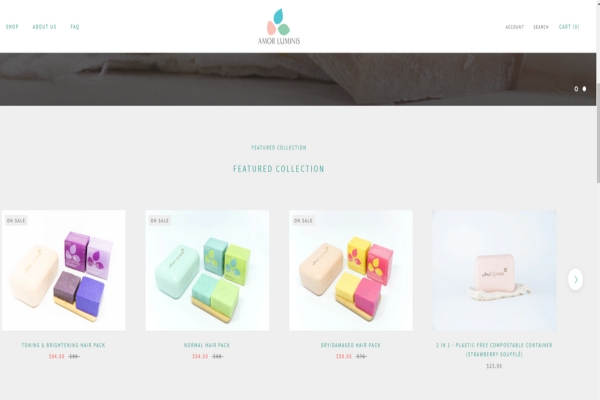
Key Strengths: Every product ships in fully compostable cardboard packaging that breaks down naturally without industrial facilities. Their formulations exclude SLS, SLES, parabens, and phthalates, making them ideal for anyone with chemical sensitivities. The brand caters to diverse hair needs, offering specific solutions for dry, damaged, and color-treated hair types. Their ethical sourcing practices ensure ingredient quality while supporting sustainable agriculture.
Considerations: Australian manufacturing means higher shipping costs and longer delivery times for international customers. Premium positioning reflects in pricing that may exceed budget-conscious shoppers’ limits. The brand focuses exclusively on hair care, so customers seeking full personal care ranges must shop elsewhere.
Standout Offerings: Their revitalizing shampoo bar uses botanical extracts to maintain scalp health while cleansing gently. The hydrating conditioner bar incorporates shea butter and coconut oil for deep moisture without heaviness. For intensive treatment, their scalp serum combines tea tree oil with soothing botanicals to address irritation and promote healthy follicle function.
Plaine Products operates as a certified B Corporation, meeting rigorous standards for social and environmental performance. Their innovative refillable aluminum bottle system eliminates single-use plastic entirely while delivering vegan, cruelty-free hair care formulations. Customers order their initial product with a pump dispenser, then return empty containers for refills that arrive in minimal packaging.
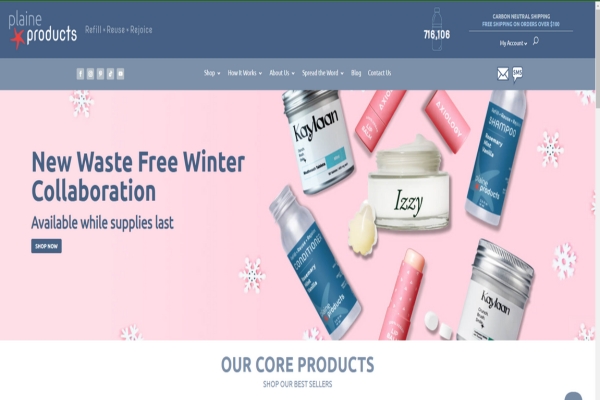
Key Strengths: The closed-loop refill system represents one of the most circular packaging solutions available in personal care today. Their carbon-neutral operations demonstrate measurable commitment to climate responsibility. Rosemary mint vanilla formulations provide refreshing aromatherapy benefits alongside effective cleansing. Subscription options ensure customers never run out while maintaining their plastic-free commitment.
Considerations: Liquid format requires more water and shipping weight compared to concentrated bars. The product range stays focused primarily on hair and body care, lacking facial skincare options. Return shipping for refills requires planning and slight inconvenience compared to traditional repurchasing.
Standout Offerings: Their cherry almond deep conditioner delivers intensive hydration using natural almond oil for softness and manageability. The citrus sea salt spray provides texture and volume without the drying effects of conventional salt sprays. Sage beauty oil serves multiple purposes as both hair treatment and skin moisturizer, reducing overall product consumption.
Dr. Bronner’s has championed organic, fair trade personal care since 1948, building legendary status among eco-conscious consumers. Their Pure-Castile soaps serve as shampoo, body wash, household cleaner, and more through versatile concentrated formulations. The company operates as a B Corp with fully traceable supply chains for every ingredient from coconut oil to peppermint.
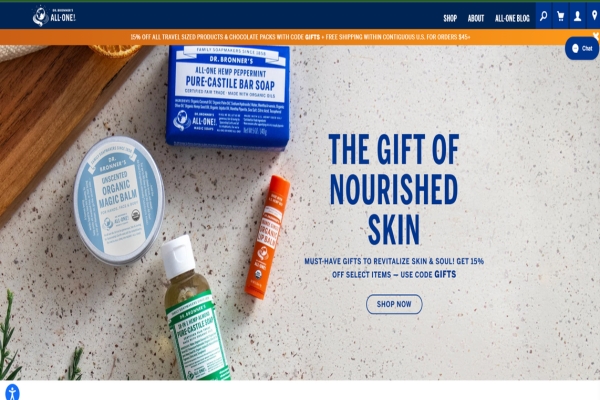
Key Strengths: Certified organic ingredients ensure exceptional purity without synthetic preservatives or foaming agents. Fair trade partnerships support regenerative agriculture and living wages for farming communities worldwide. Biodegradable formulas break down completely without harming aquatic ecosystems. The concentrated nature means one bottle replaces multiple conventional products, reducing overall consumption.
Considerations: High concentration requires proper dilution, which adds a step compared to ready-to-use products. The distinctive natural scent profile differs significantly from conventional fragranced shampoos and may not appeal to all users. Higher per-bottle cost reflects quality ingredients, though concentration extends value over time.
Standout Offerings: Lavender Pure-Castile soap provides calming aromatherapy benefits alongside gentle cleansing. The organic coconut oil serves as both hair treatment and cooking ingredient, embodying the brand’s versatility philosophy. Their hand sanitizer maintains organic standards even in germ-killing formulations, using plant-based alcohol rather than petrochemical sources.
Friendly Soap produces handcrafted ethical soap using traditional cold process methods that preserve ingredient integrity. Their UK-based manufacturing emphasizes plastic-free packaging and natural formulations accessible to budget-conscious consumers. Each bar represents a commitment to both personal wellness and environmental responsibility through simple, effective recipes.
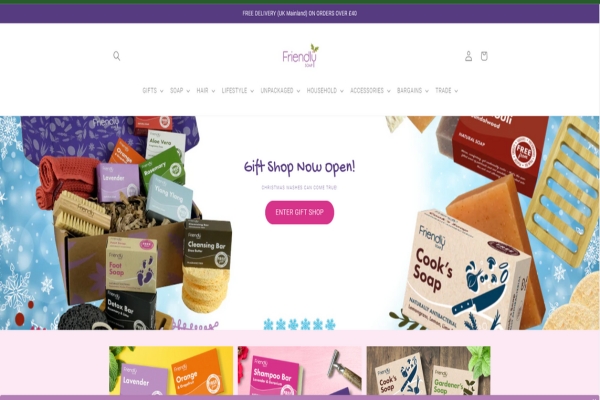
Key Strengths: Traditional cold process techniques create gentle, long-lasting bars without synthetic preservatives. Recyclable and compostable packaging eliminates plastic waste entirely from their supply chain. All formulations remain vegan-friendly and free from palm oil, addressing multiple ethical concerns simultaneously. Competitive pricing makes sustainable choices accessible to broader audiences.
Considerations: Limited international retail presence means most customers must order online and wait for shipping. Minimalist packaging prioritizes function over aesthetic presentation, which may not suit gift-giving occasions. Some users with very sensitive skin may still experience reactions despite natural ingredient claims.
Standout Offerings: Their natural shampoo bar delivers effective cleansing without SLS or parabens, lasting longer than liquid alternatives. The charcoal soap variant excels at detoxifying oily scalps and removing product buildup. Lavender and citrus options provide aromatherapy benefits alongside cleansing, with pure essential oils rather than synthetic fragrances.
Crystal Earth formulates luxury hair care using ninety-three percent natural ingredients, balancing performance with environmental consciousness. Their professional-grade products serve salon-quality results while maintaining vegan, cruelty-free standards. The brand emphasizes recyclable packaging and targeted solutions for diverse hair types and concerns.
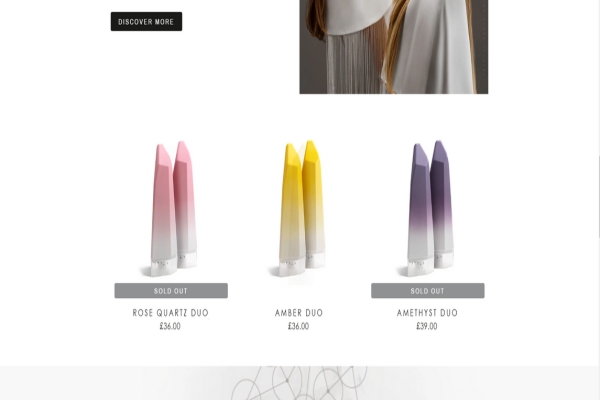
Key Strengths: High natural content percentage demonstrates genuine commitment to clean formulations rather than token sustainability claims. Professional quality satisfies demanding users who require salon-performance without synthetic chemicals. Vegan and cruelty-free certifications align with ethical consumer priorities. Extensive product range addresses specific concerns from volume to hydration to repair.
Considerations: Premium positioning reflects in higher pricing compared to mass-market alternatives. Selective availability limits access for some geographic regions. The seven percent synthetic content, while serving performance purposes, may disappoint purists seeking one hundred percent natural options.
Standout Offerings: Their crystal-infused water bottles and healing sets extend the brand’s wellness philosophy beyond hair care. Essential oil diffusers create atmospheric ambiance while maintaining eco-conscious standards. The yoga mat offers non-toxic, biodegradable materials for holistic lifestyle alignment.
BamboEarth centers their sustainability mission around bamboo, one of the world’s most renewable resources. Their shampoo bar collection leverages this fast-growing plant’s natural properties alongside other botanical ingredients for effective, gentle cleansing. The brand demonstrates that eco-friendly pricing can remain accessible without sacrificing quality or effectiveness.
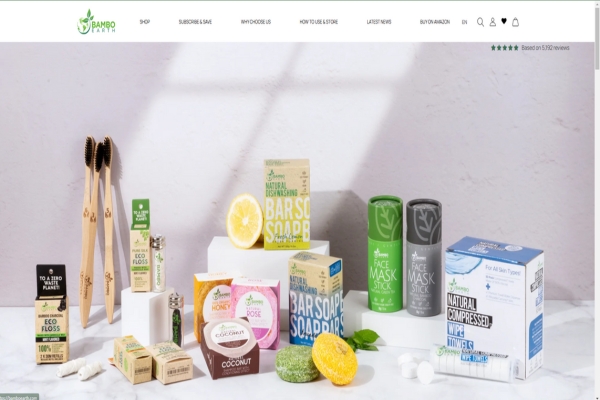
Key Strengths: Bamboo-based materials offer exceptional sustainability credentials with rapid regrowth cycles. Biodegradable product options ensure complete environmental return after use. Modern aesthetic design appeals to style-conscious consumers seeking attractive bathroom accessories. Competitive pricing structures remove financial barriers to sustainable purchasing.
Considerations: Product range remains narrower than established conventional brands, requiring supplemental shopping for some items. Bamboo durability varies by product type and may not match synthetic alternatives in longevity. Inventory fluctuations occur based on sustainable material sourcing availability.
Standout Offerings: The coconut shampoo bar provides rich lathering and deep hydration using natural coconut oil bases. Lavender variants calm both scalp and senses during cleansing routines. Charcoal formulations target oily hair types with detoxifying activated carbon that removes impurities without harsh detergents.
Whiff Botanicals specializes in natural fragrances and botanical personal care, emphasizing sensory experiences that enhance daily wellness rituals. Their products harness pure plant extracts for authentic aromatherapy benefits alongside practical cleansing functions. Each item receives careful handcrafted attention to ensure quality and effectiveness.
Key Strengths: Pure botanical extracts deliver genuine aromatic profiles unavailable through synthetic fragrance chemistry. Many formulations provide therapeutic benefits for relaxation, energy, or focus through essential oil interactions. Artisanal production methods ensure individual attention to each product’s quality. Sustainable sourcing practices protect the ecosystems providing their raw materials.
Considerations: Premium natural ingredients result in higher price points than mass-market alternatives. Selective retail partnerships limit immediate availability for some customers. Natural fragrance concentrations may trigger sensitivities in individuals prone to scent reactions.
Aspen Kay Naturals creates skincare and hair care products using exclusively natural ingredients that nourish without chemical additives. Their formulations cater to health-conscious consumers seeking purity in every product they apply. The brand emphasizes customizable solutions that address individual skin and hair type variations.
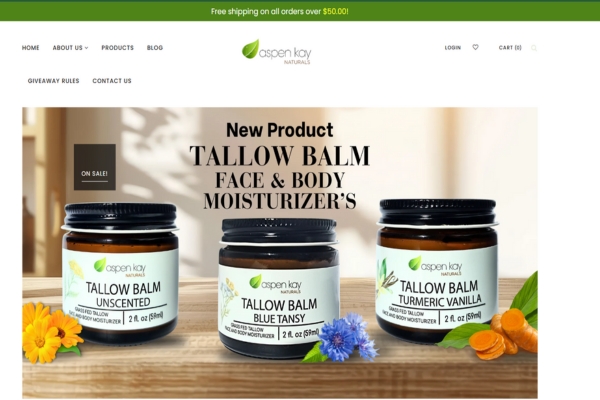
Key Strengths: Strict chemical-free policies eliminate synthetic preservatives, fragrances, and foaming agents from all products. High-quality natural ingredients deliver visible results through botanical nutrition rather than chemical intervention. Cruelty-free practices extend to ingredient suppliers, ensuring ethical chains from source to shelf. Personalized recommendations help customers identify ideal formulations for their specific needs.
Considerations: Premium natural sourcing reflects in higher product costs compared to conventional alternatives. Limited physical retail presence requires online ordering and shipping patience. Even natural ingredients can provoke allergic reactions in sensitive individuals, requiring patch testing.
Standout Offerings: Their revitalizing shampoo strengthens hair follicles using botanical extracts while remaining sulfate-free. The organic face oil provides lightweight hydration suitable for all skin types. Herbal body scrub and calming lavender mist extend the natural wellness philosophy to full-body care.
Founded in Phoenix, Arizona in 2018, Eco Roots delivers over fifty sustainable personal care and household items emphasizing low-waste principles. Their vegan-friendly product range uses natural ingredients and recyclable packaging to provide accessible eco-friendly alternatives for daily needs. The brand demonstrates that zero waste shopping can remain practical and convenient.
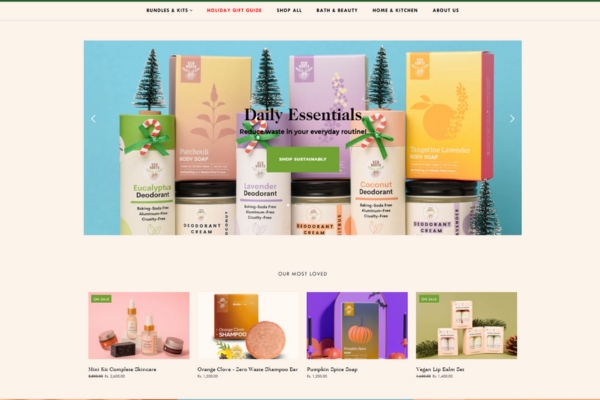
Key Strengths: Plastic-free shipping materials ensure the entire purchasing experience aligns with sustainability values. Handmade production using organic ingredients maintains quality control while supporting local manufacturing. Compostable product options enable complete circular lifecycle for certain items. The extensive fifty-plus product catalog allows one-stop shopping for zero waste household needs.
Considerations: Small batch production means occasional stock shortages on popular items. Higher pricing reflects handmade, organic quality standards that exceed mass-market budgets. Limited retail partnerships require online ordering for most customers.
Standout Offerings: Their shampoo and conditioner bars incorporate coconut oil, sunflower oil, rose water, and vitamin B for comprehensive hair nutrition. The brand’s commitment to transparency includes detailed ingredient sourcing information for every product.
Everist pioneers concentrated personal care products that minimize packaging waste through waterless formulations. Their innovative approach delivers effective beauty solutions while dramatically reducing the environmental footprint of shipping and storage. The brand proves that sustainability and performance can coexist through thoughtful product design.
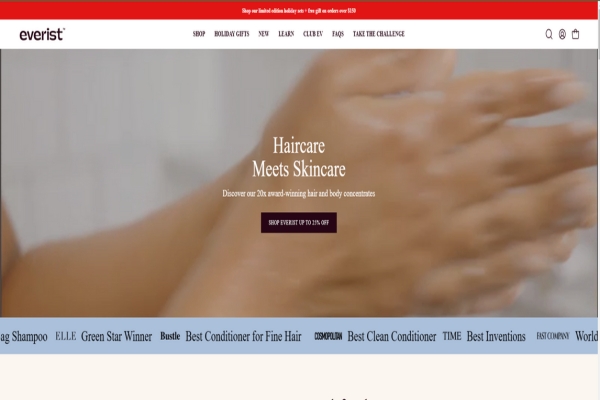
Key Strengths: Concentrated formulas eliminate excess water weight, reducing shipping emissions and packaging needs. Refillable container systems encourage ongoing reuse rather than single-use disposal. Plant-based ingredients provide gentle care without petrochemical derivatives. Cruelty-free certification ensures ethical development practices.
Considerations: Narrower product selection compared to full-range conventional brands. Higher upfront costs for concentrated products may deter budget-conscious initial purchasers. The concentrated format requires learning proper usage amounts for optimal results.
Standout Offerings: Their shampoo and conditioner bars provide salon-quality cleansing without plastic bottles. The body wash, deodorant, and body scrub extend concentrated sustainability to full shower routines.
By Humankind designs personal care products around refillable systems that eliminate single-use plastic entirely. Their minimalist approach focuses on essential items delivered through innovative packaging solutions. The brand targets environmentally aware consumers seeking straightforward sustainable alternatives without overwhelming complexity.
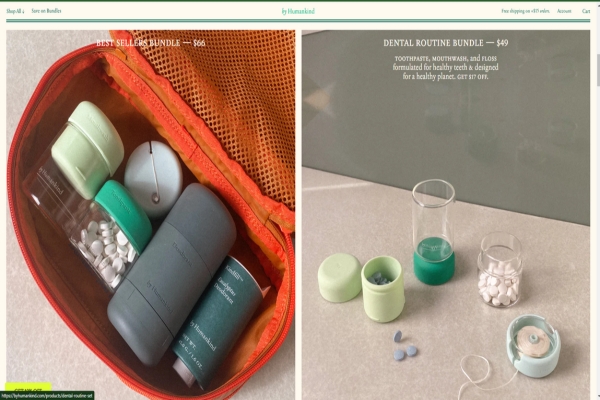
Key Strengths: Refillable packaging systems significantly reduce cumulative waste from regular personal care purchases. Natural ingredient selections prioritize safety and effectiveness simultaneously. Cruelty-free policies ensure ethical treatment throughout product development. User-friendly designs maintain convenience while advancing sustainability.
Considerations: Limited product range focuses on basics rather than comprehensive personal care solutions. Premium sustainability features command higher prices than conventional alternatives. The brand appeals primarily to dedicated environmental advocates rather than casual eco-friendly shoppers.
Standout Offerings: Their shampoo and conditioner use refillable aluminum containers with concentrate refills. The body wash, toothpaste, and deodorant complete a core personal care routine with minimal waste generation.
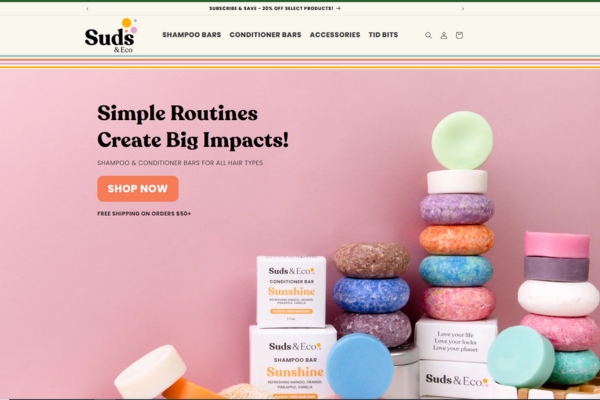
Suds & Eco. creates handcrafted soaps and hair care items using time-honored techniques and natural ingredients. Their artisanal approach prioritizes quality craftsmanship over mass production, resulting in distinctive products that support both personal wellness and environmental health. Each item reflects attention to detail that distinguishes handmade goods from factory alternatives.
Key Strengths: Handcrafted production ensures individual quality attention impossible in automated manufacturing. Strict natural ingredient policies exclude toxic chemicals from all formulations. Biodegradable packaging materials return safely to ecosystems after use. Artisanal character provides unique aesthetic and functional qualities.
Considerations: Small batch production limits scalability and availability during high demand periods. Handcrafting processes increase production costs reflected in retail pricing. The niche appeal of artisanal goods may not satisfy shoppers seeking mainstream consistency.
Standout Offerings: Their zero waste shampoo and conditioner bars deliver salon-grade performance with vegan formulations. All-natural soap bars, eco-friendly soap dishes, and biodegradable loofahs complement sustainable bathing routines.
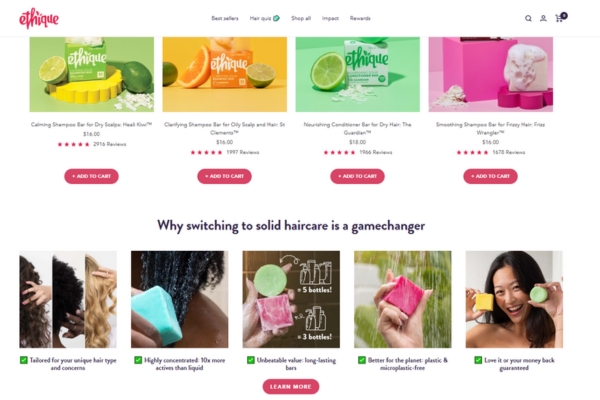
Ethique revolutionized the beauty industry by creating solid bars that eliminate plastic packaging entirely while maintaining professional quality. Their New Zealand-based operations emphasize ethical sourcing and sustainable ingredient procurement from farm to shower. The brand’s name reflects their foundational commitment to ethical business practices across all operations.
Key Strengths: Solid formulations dramatically reduce plastic waste compared to conventional bottled products. Ethical ingredient sourcing supports fair trade practices and regenerative agriculture. Vegan-friendly options accommodate diverse dietary and lifestyle preferences. High user satisfaction indicates effective performance across hair types.
Considerations: Solid format requires adaptation period for users accustomed to liquid products. Limited physical retail availability necessitates online purchasing for most customers. Some formulations may not suit all hair types, requiring experimentation to find ideal matches.
Standout Offerings: The Sweet & Spicy shampoo bar volumizes fine hair using fairly traded cocoa butter and Samoan coconut oil. The Frizz Wrangler targets curly and wavy hair with sulfate-free smoothing. Travel tins provide practical storage solutions for solid bar transport.
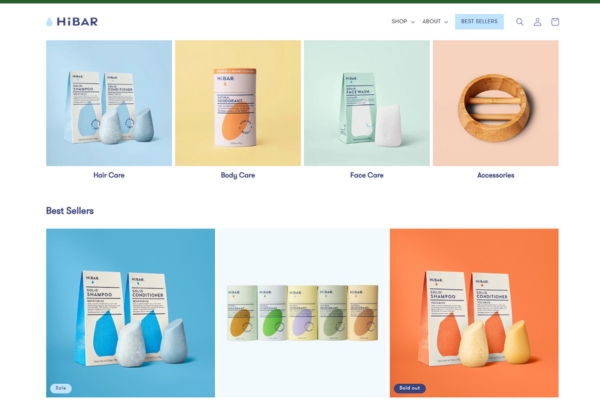
HiBar engineers solid hair care products specifically designed to eliminate plastic waste from traditional shampoo and conditioner routines. Their scientific approach to bar formulation addresses common concerns about solid product performance through innovative ingredient combinations. The brand targets practical consumers seeking effective eco-friendly alternatives without compromise.
Key Strengths: Purpose-engineered solid formulas perform comparably to liquid alternatives. Natural ingredient selections avoid harsh chemicals that damage hair or ecosystems. Cruelty-free practices align with ethical consumer values. Compact format proves ideal for travel and gym bags without TSA liquid restrictions.
Considerations: Transitioning from liquid to solid formats requires adjustment period and technique learning. Smaller product range compared to established conventional brands. Some users report initial challenges achieving optimal lather and application.
Standout Offerings: The Maintain, Moisturize, Volumize, and Soothe shampoo and conditioner sets address specific hair needs through targeted formulations. The Cleanse face wash extends plastic-free benefits to skincare routines.
Transitioning from conventional liquid shampoo to zero waste alternatives requires some technique adjustments, but the learning curve proves gentle for most users. Whether you choose solid shampoo bars, refillable liquids, or concentrated pastes, proper application ensures optimal cleansing and maximizes product longevity. Understanding the specific method for your chosen format eliminates frustration and delivers the best possible results for your hair type.
The following step-by-step instructions cover the three primary zero waste shampoo formats currently available. Mastering these techniques helps you achieve salon-quality cleansing while supporting your commitment to plastic-free personal care. Remember that patience during the initial adjustment period pays dividends in both environmental impact reduction and often improved hair health over time.
Shampoo bars represent the most popular zero waste format, offering concentrated cleansing power without water weight or plastic packaging. Begin by thoroughly wetting your hair with warm water to open cuticles and prepare strands for cleansing. Rub the bar directly between your hands to create lather, then apply the foam to your scalp rather than dragging the bar across hair, which can cause tangling.
Alternatively, stroke the bar directly across your scalp several times to deposit product, then use your fingers to massage and distribute. Work the lather from roots to ends, paying special attention to areas prone to oil buildup like the crown and nape. Rinse thoroughly with warm water followed by a cool water finish to seal cuticles and enhance shine. Allow the bar to dry completely between uses to maximize longevity.
Refillable liquid systems like those from Plaine Products function similarly to conventional shampoo but with circular packaging benefits. Dispense a small amount into your palm, roughly the size of a quarter for medium-length hair, adjusting for hair length and thickness. Emulsify between your hands to activate the formula before applying to wet hair.
Begin application at the scalp, using fingertips to massage in circular motions that stimulate circulation and ensure thorough cleansing. Work the lather down through mid-lengths and ends, adding water if needed to distribute product evenly. Many zero waste liquid shampoos use gentler surfactants than conventional alternatives, so you may notice less foam, but this does not indicate reduced cleansing power. Rinse completely and follow with conditioner if desired.
Concentrated formulas require activation with water before application. For paste concentrates, scoop a pea-sized amount and work between wet palms to create lather. Powder shampoos typically require sprinkling onto wet hands or directly onto wet hair, then massaging to dissolve and distribute. These formats offer maximum portability for travel since they contain no liquid to spill or trigger TSA restrictions.
When using powder formats, ensure even distribution by parting hair into sections and applying to the scalp directly. Massage vigorously to dissolve particles completely, then add water gradually to build lather. The concentrated nature means a little goes a long way, making these formats economical despite often higher upfront costs.
Proper storage dramatically extends shampoo bar lifespan, with well-cared-for bars delivering fifty to seventy-five washes compared to half that amount when left sitting in water. The fundamental principle involves allowing complete drying between uses to prevent dissolving and softening. Strategic placement and appropriate accessories protect your investment while maintaining product effectiveness.
Position your shampoo bar on a draining soap dish or rack that elevates it above standing water. Look for dishes with slotted designs or raised ridges that promote airflow underneath the bar. Materials like bamboo, cork, or recycled plastic work well, though metal dishes may eventually corrode in humid shower environments. Avoid flat surfaces like shower shelves or countertops where water pools.
For travel or gym use, transport bars in breathable containers rather than sealed plastic bags that trap moisture. Tin containers with ventilation holes, silicone travel cases with drainage, or even simple washcloth wrapping allow bars to continue drying between uses. Never store damp bars in airtight containers for extended periods, as this creates mushy texture and bacterial growth conditions.
Consider cutting large bars into smaller portions for daily use while storing the remainder in a dry location. This approach ensures your active piece dries quickly while preserving the main bar’s integrity. Some users rotate between two smaller pieces, allowing each to dry completely on alternating days, which maximizes total product life.
When switching from conventional liquid shampoo to zero waste alternatives, most users experience a transition period lasting two to four weeks as hair and scalp adjust to new formulations. This adjustment occurs because traditional shampoos often contain silicones and harsh detergents that create immediate smoothness but leave residue buildup over time. Natural and sulfate-free alternatives cleanse without these coating agents, revealing your hair’s true texture during the detoxification process.
During transition, you may notice increased greasiness, waxy texture, or dryness as your scalp recalibrates oil production. Previously, harsh detergents stripped natural oils, prompting overproduction as compensation. Natural formulations clean gently without triggering this defensive response, but your scalp requires time to normalize secretion levels. Many users report the third week proves most challenging before improvement becomes noticeable.
Accelerate adjustment by using an apple cider vinegar or lemon juice rinse once weekly to remove buildup and restore pH balance. Mix one part vinegar with three parts water and pour through hair after shampooing, leaving for one minute before rinsing thoroughly. This acidic rinse smooths cuticles and prevents the heavy feeling some experience during transition.
Avoid the common mistake of abandoning your new routine prematurely. Forum discussions reveal that many users who gave up during week two or three would have seen success had they persisted another week. Document your journey with photos to track subtle improvements that daily observation might miss. Most transition symptoms resolve completely by week four, revealing healthier, more naturally balanced hair.
The debate between solid shampoo bars and refillable liquid formats ultimately depends on your specific priorities, hair type, and lifestyle constraints. Both options dramatically reduce plastic waste compared to conventional bottled products, but they offer distinct advantages that appeal to different users. Understanding these differences helps you select the format that best aligns with your needs and ensures long-term satisfaction with your zero waste transition.
Shampoo bars excel in portability and concentration, with one bar typically replacing two to three bottles of liquid product. They weigh less, occupy minimal space, and bypass TSA liquid restrictions entirely, making them ideal for travelers and minimalists. The solid format eliminates preservatives since waterless products resist bacterial growth naturally. However, bars require proper storage to prevent melting and may dissolve quickly in hard water conditions.
Refillable liquid systems like Plaine Products offer familiar application methods that require no technique adjustment. The liquid format distributes easily through thick or long hair and often feels more conditioning for dry or damaged strands. Aluminum bottles provide infinite recyclability without quality degradation. The tradeoff involves shipping water weight and the need for preservative systems to maintain shelf stability.
Environmental calculations slightly favor bars due to reduced shipping emissions and minimal packaging requirements, but the difference narrows significantly when liquid systems use true circular refill models. Personal preference and hair compatibility matter more than marginal environmental distinctions between these sustainable options. Many zero waste practitioners maintain both formats, using bars for travel and home while keeping refillable liquids as backup or for specific hair needs.
Selecting the right zero waste shampoo requires evaluating multiple factors beyond simple plastic elimination. The most effective purchases match your specific hair type, address individual scalp concerns, and align with your broader ethical priorities. This comprehensive guide breaks down the key selection criteria to ensure you invest in products that perform well while satisfying your sustainability standards.
Prioritize brands that disclose complete ingredient lists using standard cosmetic nomenclature rather than vague terms like “natural fragrance” or “proprietary blend.” Look for plant-derived surfactants like sodium cocoyl isethionate or coco-glucoside rather than sulfates for gentle cleansing. Nourishing ingredients such as coconut oil, shea butter, argan oil, and jojoba oil support hair health beyond basic cleaning.
Avoid formulations containing parabens, phthalates, synthetic dyes, and artificial fragrances, which can trigger sensitivities and raise environmental concerns. For sensitive scalps, seek pH-balanced formulations around 5.5 that maintain the scalp’s acid mantle without disruption. Those with color-treated hair should verify that products remain sulfate-free to preserve dye investment and prevent premature fading.
Oily hair benefits from clarifying ingredients like tea tree oil, citrus extracts, and activated charcoal that remove excess sebum without over-drying. For those with curly hair seeking specialized zero waste options, moisture-rich formulations containing shea butter, cocoa butter, and glycerin help maintain curl definition and prevent frizz. Fine hair requires lightweight ingredients that add volume without weighing strands down, such as rice protein and gentle cleansing agents.
Dry or damaged hair needs intensive conditioning components like avocado oil, vitamin B, and aloe vera to restore moisture balance. Color-treated strands demand extra-gentle, sulfate-free options that clean without stripping pigment. Those with sensitive scalps should avoid essential oils and menthol, which can irritate, favoring instead oatmeal, calendula, and chamomile-based soothing formulations.
Look for recognized certifications that validate brand claims rather than taking marketing language at face value. Leaping Bunny certification guarantees genuinely cruelty-free practices beyond legal requirements. B Corp designation indicates comprehensive social and environmental performance standards. Vegan Society certification confirms the absence of animal-derived ingredients throughout the supply chain.
USDA Organic certification ensures ingredients meet strict agricultural standards without synthetic pesticides or fertilizers. Fair Trade certifications verify ethical labor practices and fair compensation throughout ingredient sourcing. While not all excellent brands pursue formal certifications due to cost barriers, these designations provide reliable shortcuts for time-pressed shoppers.
Evaluate the complete packaging lifecycle, not just the absence of plastic. Compostable packaging should specify home compostability versus industrial facility requirements. Recyclable materials should indicate accepted recycling streams and provide disposal guidance. Refillable systems should demonstrate genuine circularity with clear return protocols and container durability metrics.
Naked packaging, meaning completely package-free products, represents the gold standard for waste elimination but requires sanitary handling and transportation. Paper packaging should use post-consumer recycled content and avoid plastic windows or laminates that contaminate recycling streams. Aluminum packaging offers infinite recyclability but requires higher energy inputs for initial production.
Calculate cost per wash rather than sticker price when comparing options. A fifteen-dollar shampoo bar lasting eighty washes costs less than a five-dollar bottle providing twenty washes. Consider the complete hair care system, including conditioner and styling products, to evaluate total transition costs. Many zero waste brands offer starter sets or samples that allow testing before major investment.
Read user reviews specifically mentioning longevity and performance with your hair type. Forum discussions and community groups often provide more candid feedback than curated website testimonials. Remember that the highest-priced options do not automatically outperform mid-range alternatives, and some budget-friendly brands like Friendly Soap deliver excellent results affordably.
The environmental case for zero waste shampoo extends far beyond personal satisfaction into measurable global impact. Understanding the statistics behind plastic pollution and resource consumption helps contextualize individual choices within broader environmental challenges. These numbers demonstrate why switching to plastic-free shampoo represents meaningful action rather than symbolic gesture.
Annual plastic shampoo bottle production exceeds 552 million units in the United States alone, with the majority ending up in landfills or ocean ecosystems. Each plastic bottle requires hundreds of years to decompose, fragmenting into microplastics that contaminate food chains and drinking water sources. Conventional liquid shampoo contains approximately eighty percent water, meaning consumers ship and store mostly unnecessary weight, multiplying transportation emissions.
A single solid shampoo bar typically replaces two to three plastic bottles while lasting longer due to concentration. If just ten percent of American households switched to bar formats, annual plastic reduction would exceed eighty million bottles. Refillable systems extend these savings through circular packaging that eliminates repeated container production entirely. For those interested in expanding zero waste practices throughout their homes, hair care represents an accessible entry point with immediate visible impact.
Beyond plastic elimination, many zero waste brands prioritize biodegradable formulas that break down safely in wastewater systems rather than persisting as aquatic pollutants. Plant-based ingredients typically require less energy and generate fewer emissions than petrochemical-derived alternatives. While individual purchases seem small, collective consumer shifts drive industry-wide reform and demonstrate market demand for sustainable alternatives.
Yes, shampoo bars clean hair effectively when formulated properly with appropriate surfactants. Quality bars contain gentle cleansing agents derived from coconut or other plant sources that remove dirt and oil without the harsh stripping associated with sulfates. Many users find their hair feels cleaner longer with bars since natural formulations do not trigger the oil overproduction that conventional detergents cause. The key lies in selecting a bar matched to your hair type and using proper technique to distribute product evenly.
The no poo method eliminates commercial shampoo entirely, replacing it with water-only washing or natural alternatives like baking soda and apple cider vinegar. Proponents believe conventional shampoo creates dependency by stripping natural oils and prompting overproduction. The no poo approach allows scalps to self-regulate sebum production over several weeks of adjustment. While effective for some, particularly those with dry or curly hair types, this method does not suit everyone, and many prefer low poo alternatives using gentle natural shampoos rather than complete elimination.
Shampoo bars work excellently on gray hair, often improving its appearance by removing yellowing buildup that conventional products leave behind. Gray hair tends toward dryness and can become porous, making it susceptible to environmental discoloration from pollutants and product residue. Natural bar formulations with clarifying ingredients like lemon peel or tea tree oil help maintain bright, silver tones without harsh purple shampoos. The gentle cleansing preserves moisture that gray hair needs to prevent the wiry texture many experience with age.
Shampoo bars generally offer superior environmental profiles compared to liquid alternatives due to concentrated formulation, minimal packaging, and reduced shipping weight. A typical bar replaces two to three plastic bottles and contains no water, eliminating unnecessary transportation emissions. However, truly circular refillable liquid systems narrow this gap significantly when customers consistently return containers for reuse. Both formats dramatically outperform conventional single-use bottled shampoo, so personal preference and hair compatibility should guide selection between these sustainable options.
Professional opinions on shampoo bars vary widely based on individual stylist training, client hair types, and product quality familiarity. Many hairdressers now recommend high-quality natural bars, particularly for clients with sensitive scalps, allergies to conventional ingredients, or sustainability priorities. Some professionals remain skeptical about bar performance for specific concerns like color protection or intensive hydration needs. The growing professional acceptance reflects improving bar formulations that rival salon liquid products in performance and ingredient sophistication.
Common shampoo bar challenges include an adjustment period lasting two to four weeks, potential hard water interaction causing residue, and the need for proper storage to prevent melting. Some users find bars difficult to distribute through very long or thick hair compared to liquid formats. Travel requires breathable containers rather than sealed bags to prevent mushiness. Certain formulations may prove too clarifying for dry hair types without adequate conditioning accompaniment. These downsides diminish significantly with proper bar selection matched to specific hair needs and correct usage technique.
Most users experience a transition period lasting between two and four weeks when switching from conventional shampoo to natural bars. During this time, hair may feel greasy, waxy, or dry as the scalp adjusts oil production to gentler cleansing. Hair that has accumulated silicone buildup from conventional products requires additional time to fully detoxify. The transition length varies by hair type, water hardness, and previous product history. Weekly acidic rinses using diluted apple cider vinegar can accelerate adjustment by removing buildup and restoring pH balance.
Avoid sulfates like SLS and SLES that strip natural oils and irritate sensitive scalps. Parabens, used as preservatives, raise hormone disruption concerns. Phthalates and synthetic fragrances often hide undisclosed chemical cocktails. Silicones create temporary smoothness while building up residue that weighs hair down over time. Palm oil contributes to deforestation unless ethically sourced with RSPO certification. Formaldehyde-releasing preservatives and artificial colors offer no benefit while introducing potential irritants. Quality zero waste brands disclose complete ingredient lists and avoid these problematic components.
Switching to zero waste shampoo represents one of the most accessible and impactful changes you can make in your journey toward sustainable living. The fifteen brands profiled here demonstrate that plastic-free hair care no longer requires compromising on quality, performance, or enjoyment. From concentrated solid bars to innovative refillable systems, options exist for every hair type, budget, and lifestyle preference.
Success with zero waste shampoo depends primarily on patience during the transition period and thoughtful product selection matched to your specific needs. Remember that the initial adjustment phase, lasting typically two to four weeks, gives way to healthier, more balanced hair once your scalp recalibrates. Proper storage techniques and correct application methods ensure you maximize both product longevity and cleansing effectiveness.
The environmental impact of collective individual choices cannot be overstated. With over 552 million plastic shampoo bottles discarded annually, each person making the switch contributes meaningfully to pollution reduction. As you complete your plastic-free bathroom transformation, consider exploring zero waste face wash brands to extend your sustainable personal care routine. Your hair, your wallet, and the planet all benefit from this simple yet significant change.
