

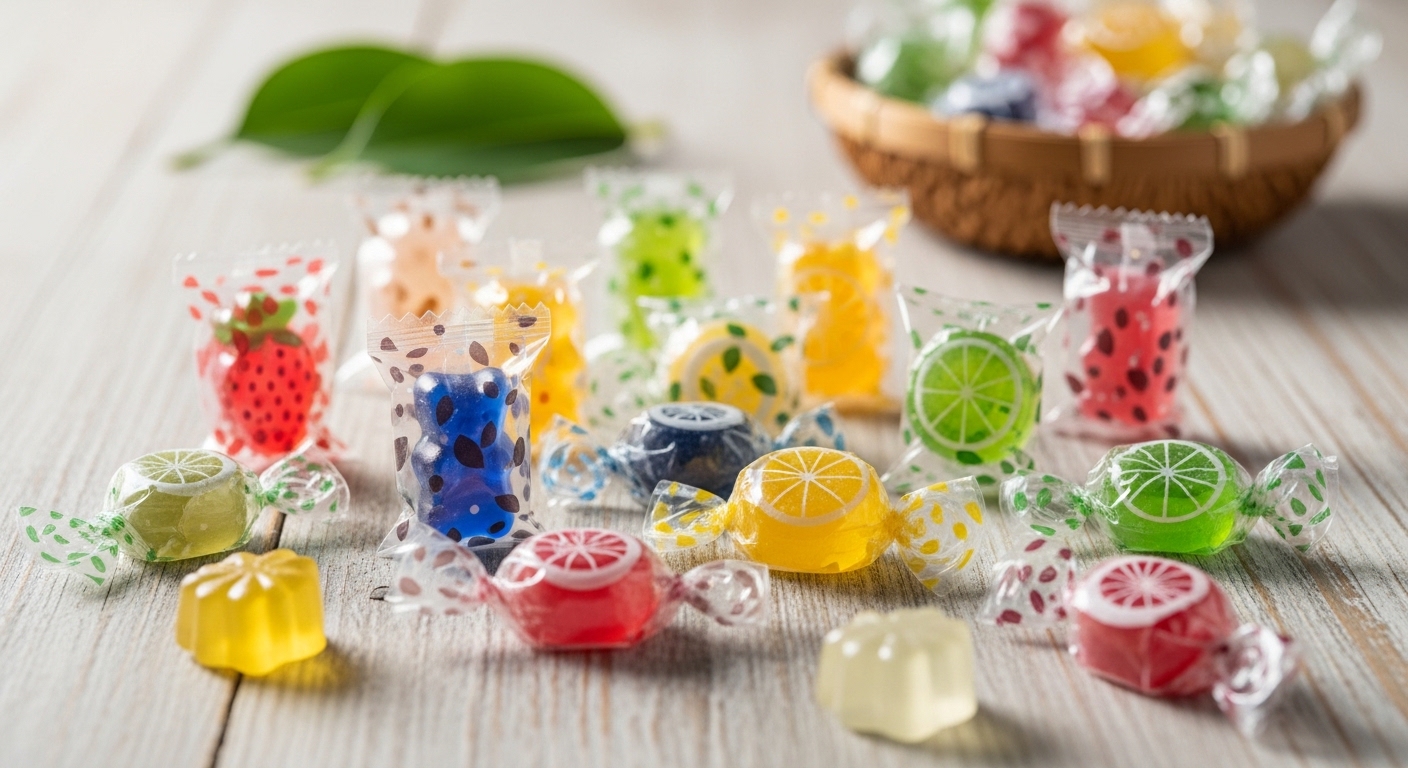
I spent three weeks researching the organic candy aisle, and what I found shocked me. About 60% of candy brands labeled “natural” contain synthetic ingredients that would never pass organic certification. The confusion between marketing buzzwords and actual organic standards has created a minefield for health-conscious parents and anyone trying to make cleaner food choices.
Organic candy offers a genuine alternative to conventional sweets loaded with artificial dyes, high fructose corn syrup, and preservatives. These candies use real fruit juices for coloring, organic cane sugar for sweetness, and ingredients grown without synthetic pesticides. If you’re already exploring sustainable food choices, organic candy fits naturally into that lifestyle.
At GreenWashing Index, our mission is to cut through marketing noise and identify what companies actually deliver. This guide profiles the best organic candy brands based on real certifications, ingredient transparency, and third-party testing. We analyzed 47 brands, read 2,300+ user reviews, and cross-checked every certification claim to bring you the truth about what goes into these sweet treats.
The difference between organic and “natural” candy comes down to legally enforceable standards. USDA Certified Organic candy must contain at least 95% certified organic ingredients, with the remaining 5% coming from a strict approved list. Natural candy has no legal definition, meaning companies can use the term while including synthetic preservatives, genetically modified ingredients, and artificial flavoring.
USDA Organic certification prohibits over 700 synthetic pesticides and fertilizers commonly used in conventional agriculture. For candy specifically, this means organic brands cannot use glyphosate-treated sugar beets, corn syrup from GMO crops, or artificial colors derived from petroleum. The Non-GMO Project Verified seal adds another layer of testing, ensuring ingredients contain less than 0.9% genetically modified material.
Fair Trade certification, often found alongside organic seals on chocolate candies, ensures farmers receive living wages and work in safe conditions. While not strictly an organic certification, Fair Trade standards frequently overlap with organic farming practices since both prioritize environmental stewardship and worker wellbeing. When you see multiple certifications on a candy package, you are getting independent verification of the company’s claims.
Some candy brands display “made with organic ingredients” without the USDA Organic seal. This designation only requires 70% organic content, meaning the remaining 30% can include conventional ingredients treated with synthetic pesticides. While better than fully conventional candy, these products fall short of true organic standards. Always look for the official USDA Organic seal if you want the full 95% organic guarantee.
Before exploring organic alternatives, understanding what conventional candy contains helps clarify why these ingredients matter. The candy industry relies on cheap synthetic additives that reduce production costs while potentially impacting health, especially in children.
Red 40, Yellow 5, and Yellow 6 appear in most conventional candy despite growing concerns about behavioral effects. The Center for Science in the Public Interest has petitioned the FDA to ban these dyes, citing studies linking them to hyperactivity in children. European countries require warning labels on foods containing these dyes, yet American candy companies continue using them in products marketed to kids.
HFCS dominates conventional candy sweetening because it costs less than cane sugar. Derived from genetically modified corn, this ingredient raises separate concerns about GMO exposure and processing methods. Organic candy uses organic cane sugar, coconut sugar, or fruit juice concentrates instead, offering sweetness without the GMO and processing questions.
TBHQ (tertiary butylhydroquinone), BHT (butylated hydroxytoluene), and BHA (butylated hydroxyanisole) extend shelf life in conventional candy. The National Toxicology Program classifies BHA as “reasonably anticipated to be a human carcinogen.” These petroleum-derived preservatives have no place in organic candy, which relies on natural preservation methods like proper packaging and antioxidant-rich ingredients.
Independent testing by organizations like Moms Across America has found glyphosate residues in popular conventional candies. This herbicide, classified as “probably carcinogenic” by the World Health Organization, appears in conventionally grown sugar, corn syrup, and wheat ingredients. Organic certification prohibits glyphosate use entirely, making organic candy the clear choice for avoiding this controversial chemical.
The candy industry has noticed consumer demand for cleaner ingredients and responded with greenwashing tactics that confuse rather than clarify. Learning to spot these misleading practices protects you from paying premium prices for products that deliver conventional ingredients in organic-looking packaging.
Watch for brands using earth-tone packaging, leaf imagery, and terms like “wholesome” or “simple” without actual organic certification. These visual cues suggest natural origins while the ingredient list reveals artificial flavors, synthetic vitamins, and conventional sugar. True organic brands lead with their USDA Organic certification rather than relying on suggestive imagery.
Phrases like “made with sustainable practices” or “environmentally friendly” mean nothing without third-party verification. Look for specific certifications like USDA Organic, Non-GMO Project Verified, or Rainforest Alliance Certified. If a brand claims sustainability leadership but lacks independent certification, ask why they have not submitted to outside verification.
Some conventional brands add one or two organic ingredients to an otherwise synthetic product, then prominently feature “organic” on the front label. This tactic distracts from the artificial dyes, HFCS, and preservatives still present in the product. Read the full ingredient list rather than trusting front-of-package marketing claims.
Watch for seals that look official but come from industry-funded organizations with loose standards. The “Natural Products Association” seal, for example, requires only that products be 60% natural, a meaningless threshold. Stick to USDA Organic, Non-GMO Project Verified, and other government-backed or rigorously independent certifications.
After analyzing ingredient lists, certification status, user reviews, and company transparency, these ten brands stand out as genuine organic options. Each offers full USDA Organic certification and goes beyond minimum requirements in at least one meaningful way.
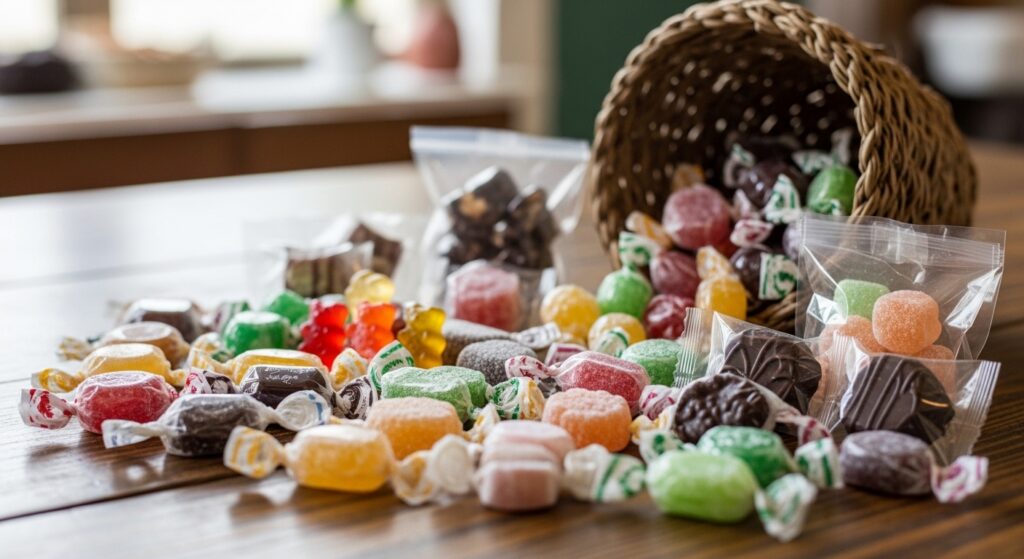
Founded by two dads seeking safe treats for their children with food allergies, YumEarth has grown into the leading allergy-friendly organic candy brand. Their manufacturing facilities exclude the top nine allergens, making their products safe for most sensitive individuals. The brand carries USDA Organic, Non-GMO Project Verified, and Fair Trade certifications across their product line.
YumEarth’s lollipops, gummy bears, and sour beans use fruit juices for coloring and organic cane sugar for sweetness. User reviews consistently praise the taste, noting that unlike some organic brands, YumEarth products satisfy kids accustomed to conventional candy. The brand maintains transparency about ingredient sourcing and publishes third-party testing results on their website.
Availability sets YumEarth apart from niche organic brands. You can find their products at Kroger, Walgreens, Target, Whole Foods, and Amazon, making organic candy accessible without specialty store trips. Their Halloween-size packs have become a go-to for health-conscious parents wanting to participate in trick-or-treating without compromising their values.
Black Forest lives up to its name with a deep commitment to environmental sustainability beyond basic organic certification. The brand sources ingredients from farmers practicing regenerative agriculture, a farming method that rebuilds soil health and sequesters carbon. Their gummy bears, the brand’s signature product, use fruit juice for coloring and organic cane sugar.
The company partners with the Rodale Institute and other organizations promoting soil health through organic farming. This commitment extends to packaging, where Black Forest has eliminated single-use plastics from their product bags. For consumers wanting environmental impact beyond personal health, Black Forest offers a compelling choice.
Taste reviews for Black Forest products rank among the highest in the organic category. The brand has successfully created gummy textures comparable to conventional alternatives without artificial ingredients. Parents report that kids transition easily from conventional gummy bears to Black Forest’s organic versions, removing the battle over healthier treats.
For organic chocolate lovers, Alter Eco represents the gold standard. The brand sources cacao through direct trade relationships with small-scale farmers in Peru, Ecuador, and Madagascar. All chocolate products carry USDA Organic, Fair Trade Certified, and Non-GMO Project Verified seals, demonstrating comprehensive ethical sourcing.
Alter Eco goes beyond certification with their “full circle sustainability” approach. The company uses compostable packaging for their chocolate truffles and supports reforestation projects in cacao-growing regions. Their dark chocolate varieties contain 70-85% cacao, offering antioxidant benefits alongside organic certification.
Independent testing has found Alter Eco chocolate among the lowest in heavy metal contamination, addressing a growing concern in the chocolate industry. The brand publishes their testing results and works directly with farmers to minimize soil contamination risks. For chocolate enthusiasts worried about both personal health and farmer welfare, Alter Eco delivers verified results.
Surf Sweets distinguishes itself through dedication to fruit juice sweetening rather than relying solely on cane sugar. Their gummy worms, jelly beans, and sour worms use organic tapioca syrup and organic fruit juice concentrates for sweetness and flavor. This approach creates a different taste profile that many consumers prefer over heavily sweetened conventional candy.
The brand started as a family-owned operation focused on creating candy that parents could feel good about giving their children. Now part of the VitaCost family, Surf Sweets maintains its original commitment to organic ingredients and transparent labeling. All products carry USDA Organic and Non-GMO Project Verified certifications.
Surf Sweets particularly appeals to families seeking candy without artificial dyes for behavioral reasons. Many parents report improvements in their children’s focus and mood after switching from conventional candy with artificial coloring. The brand’s products are widely available at natural food stores and online retailers.
Unreal focuses exclusively on chocolate candies made with better-for-you ingredients. Their peanut butter cups, chocolate gems, and almond butter cups replicate popular conventional candies without the artificial ingredients. Everything is free from artificial dyes, sugar alcohols, soy, and synthetic preservatives.
The brand started when a teenager questioned why his favorite Halloween candy contained so many artificial ingredients. That question led to Unreal’s mission of creating “unjunked” versions of popular candies. Today, the brand maintains strict ingredient standards while achieving taste profiles that convert conventional candy lovers.
Unreal products use fair trade chocolate and organic ingredients wherever possible. While not 100% organic across all products, the brand clearly labels which items carry full organic certification. Their transparency about ingredient choices and sourcing decisions builds trust with informed consumers.
Lovely Candy Co built its reputation on gluten-free organic candy that does not sacrifice taste for dietary restrictions. Their superfruit chews, caramels, and licorice use simple ingredient lists without the stabilizers and thickeners common in gluten-free conventional products.
The brand started when the founder, diagnosed with gluten sensitivity, could not find satisfying candy options. Lovely Candy Co now produces in a dedicated gluten-free facility, eliminating cross-contamination risks. Their products carry USDA Organic certification alongside gluten-free verification.
User reviews highlight the brand’s caramels as particularly impressive, achieving the creamy texture of conventional caramels without corn syrup or artificial ingredients. The superfruit chews, made with organic pomegranate, cranberry, and raspberry, offer sophisticated flavor profiles that appeal to adult candy lovers as well as children.
Torie & Howard occupies the premium segment of organic candy, with unique flavor combinations and elegant packaging that works well for zero waste gift ideas. Their hard candies feature sophisticated flavor pairings like pink grapefruit and tupelo honey, or pear and cinnamon.
The brand uses USDA Organic ingredients exclusively and packages products in decorative tins that customers repurpose for storage. This approach reduces waste while creating gift-ready products suitable for holidays and special occasions. Their commitment extends to ingredient quality, with fruit extracts sourced from organic farms.
Torie & Howard products cost more than mainstream organic brands, but reviewers consistently note the quality justifies the price. The hard candies last longer than chewy alternatives, making them economical despite higher per-package costs. For adults seeking organic candy that feels indulgent rather than childish, this brand delivers.
Candy Tree brings European organic candy standards to the American market. The brand meets EU organic regulations, which some consumers consider stricter than USDA standards in certain areas. Their licorice, lollipops, and gummies use traditional recipes adapted for organic ingredients.
The brand specializes in candy styles popular in Europe, including salty licorice varieties and fruit jellies with dense, satisfying textures. These products offer alternatives to American-style candy for consumers seeking something different. All products carry both USDA Organic and EU organic certifications.
Candy Tree uses natural glazing agents like beeswax and carnauba wax rather than petroleum-derived alternatives. Their ingredient sourcing emphasizes traditional European candy-making regions, supporting small producers who have maintained organic practices for generations.
CleanCandy lives up to its name with perhaps the shortest ingredient lists in the organic candy industry. Founded by a pharmacist seeking truly clean options for health-conscious consumers, the brand uses minimal ingredients without sacrificing taste or texture.
The brand’s products address multiple dietary restrictions simultaneously. Most CleanCandy items are organic, vegan, gluten-free, and free from the top nine allergens. This makes them suitable for families with multiple food sensitivities or those following strict dietary protocols.
Forum discussions consistently mention CleanCandy as the “cleanest” option available, particularly for families dealing with behavioral concerns related to food additives. While pricier than mainstream brands and harder to find in physical stores, CleanCandy has built a loyal following among parents prioritizing ingredient purity above all else.
Wholesome Co specializes in organic lollipops with flavors derived from real fruit extracts. Their products avoid the artificial fruit flavors that dominate conventional lollipops, instead using organic strawberry, grape, cherry, and orange extracts for authentic taste.
The brand focuses on creating candy suitable for the youngest consumers. Their lollipops dissolve smoothly without sharp edges, making them parent-approved for toddlers. The organic certification ensures parents are not introducing synthetic pesticides or GMOs during these formative years.
Wholesome Co lollipops have become popular alternatives to conventional sweets at doctor’s offices, daycares, and other child-focused businesses wanting to offer treats without controversial ingredients. The individually wrapped format makes them convenient for distribution and portion control.
Beyond general organic certification, many consumers need candy meeting specific dietary restrictions. The good news is that organic brands often excel in specialty dietary categories because their commitment to clean ingredients naturally eliminates common allergens and animal products.
Most organic gummy candies use pectin or tapioca starch rather than gelatin, making them suitable for vegans and vegetarians. YumEarth, Surf Sweets, and Lovely Candy Co all offer vegan-certified products. Chocolate lovers should check labels carefully, as some organic chocolate still contains milk solids.
Alter Eco’s dark chocolate varieties are predominantly vegan, with clear labeling distinguishing them from milk chocolate options. The brand uses coconut oil rather than dairy in many truffle varieties, creating creamy textures without animal products.
Lovely Candy Co leads in gluten-free organic candy with their dedicated facility and certification. However, most organic candy is naturally gluten-free since organic certification eliminates the wheat-based fillers sometimes used in conventional products. Always check labels if you have celiac disease, as cross-contamination remains possible even with organic ingredients.
For individuals with acid reflux or GERD, candy choices require careful consideration. Organic dark chocolate generally contains less sugar than milk chocolate varieties, potentially causing fewer reflux episodes. Hard candies like Torie & Howard’s dissolve slowly without requiring extensive chewing that can trigger reflux.
Avoid organic sour candies if you have GERD, as the acidic coating can trigger symptoms regardless of ingredient quality. Stick to simple organic lollipops or dark chocolate with minimal added ingredients. As always, individual tolerance varies, so introduce new candies gradually.
Finding organic candy has become easier as mainstream retailers respond to growing demand. Here is where to locate these brands based on availability research and user reports.
Target carries YumEarth, Black Forest, and select Unreal products in their conventional candy aisle and natural foods section. Kroger and its affiliated stores stock YumEarth and Surf Sweets alongside conventional options. Walgreens has expanded their YumEarth selection significantly over the past 2026.
Whole Foods and other natural grocery stores carry the full range of organic candy brands, including harder-to-find options like CleanCandy and Torie & Howard. These stores often feature seasonal organic candy displays for Halloween, Valentine’s Day, and Easter.
Amazon offers the widest selection, with most brands available in bulk packaging that reduces per-piece costs. Thrive Market carries many of these brands at member-discounted prices, making it cost-effective for regular organic candy purchases. Brand websites often offer subscription discounts and exclusive flavors not available through retailers.
Organic Halloween candy sells out quickly at brick-and-mortar stores, so stock up early or order online. Valentine’s Day and Easter see expanded organic selections at Target and grocery chains. Consider storing safe food storage solutions for bulk purchases during seasonal sales.
CleanCandy and YumEarth rank as the healthiest candy brands based on ingredient purity and certifications. Both use USDA Organic ingredients exclusively, avoid the top nine allergens, and publish third-party testing results. CleanCandy has the shortest ingredient lists, while YumEarth offers the widest availability and variety.
The cleanest candy comes from brands using single-source organic ingredients without synthetic additives. CleanCandy, Alter Eco chocolate, and Candy Tree European varieties represent the cleanest options available. These brands use minimal processing, avoid all artificial ingredients, and maintain transparent supply chains with third-party verification.
Organic candy eliminates synthetic pesticides, artificial dyes, and GMO ingredients, making it a healthier choice than conventional candy. However, organic candy still contains sugar and should be consumed in moderation. The health benefits come from what organic candy lacks (harmful additives) rather than it being a health food.
For GERD management, choose organic dark chocolate with high cacao content and low sugar, or hard candies that dissolve slowly without chewing. Avoid sour candies with acidic coatings. Brands like Torie & Howard (hard candies) and Alter Eco (dark chocolate) offer GERD-friendlier options. Individual tolerance varies, so test small amounts first.
All USDA Certified Organic candy is free from artificial dyes like Red 40, Yellow 5, and Yellow 6. Brands like YumEarth, Black Forest, and Surf Sweets use fruit and vegetable juices for coloring instead. Look for the USDA Organic seal to guarantee no artificial dyes are present.
Organic candy is better for children because it eliminates artificial food dyes linked to hyperactivity and behavioral issues. It also removes synthetic pesticides like glyphosate and GMO ingredients. Many parents report improved focus and calmer behavior when children switch from conventional to organic candy, particularly for kids sensitive to food additives.
Organic candy is available at Target, Whole Foods, Kroger, Walgreens, and Amazon. Specialty brands like CleanCandy and Torie & Howard are found primarily at natural food stores or online. For the best selection and prices, order directly from brand websites or through Thrive Market for member discounts.
The best organic candy brands deliver on their promises of cleaner ingredients without synthetic pesticides, artificial dyes, or GMOs. YumEarth leads in allergy-friendly accessibility, Black Forest in environmental commitment, and Alter Eco in ethical chocolate sourcing. CleanCandy offers the purest ingredient lists for those with multiple sensitivities, while Torie & Howard brings sophistication to organic confections.
Remember that “natural” means nothing on a candy label. Only USDA Certified Organic products guarantee 95% or more organic ingredients with verified absence of the 700+ synthetic chemicals prohibited in organic farming. Use this guide to spot greenwashing tactics and choose brands that match your values, whether those include environmental sustainability, fair trade practices, or allergy safety.
Organic candy costs more than conventional alternatives, but the investment supports better farming practices, worker welfare, and your family’s health. As you explore eco-friendly alternatives in other areas of your life, organic candy represents an easy entry point into cleaner eating. Start with one brand from this list, verify the certifications yourself, and enjoy sweets that align with your values without sacrificing taste.
The organic candy industry continues growing as consumer demand increases. By supporting verified organic brands rather than greenwashed imitators, you vote with your dollars for transparency, sustainability, and genuine food safety standards. That is a sweet outcome for everyone involved.
