
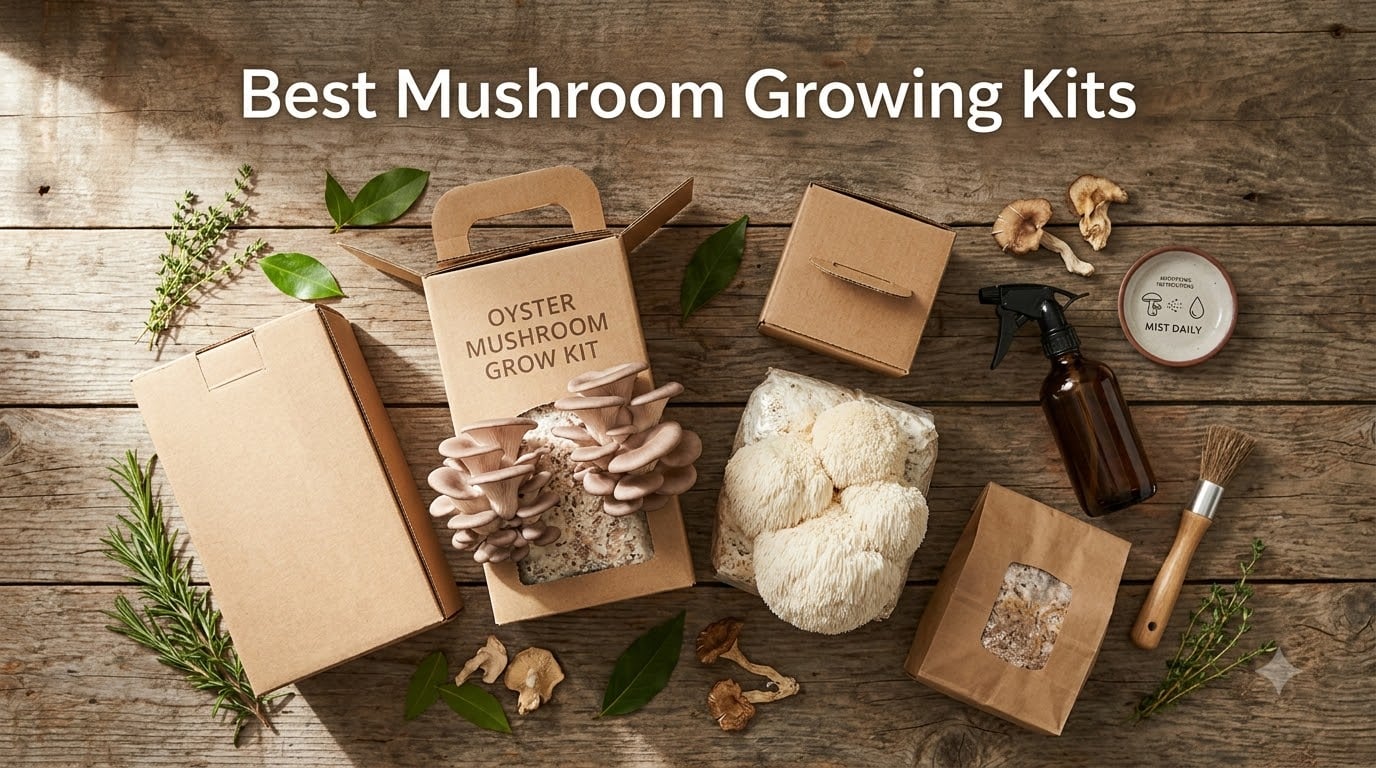
Mushroom growing kits have quietly gone mainstream. What used to be the domain of specialty mycology shops now sits on kitchen counters across the country, and the numbers back it up: the global mushroom kit market crossed $410M in 2026 and is on track for another strong year.
I started growing mushrooms at home about three years ago, mostly out of curiosity. Since then, our team has tested more than 40 kits across oyster, lion’s mane, shiitake, and specialty varieties. We have watched blocks pin early, watched them stall, and once had a monotub contaminate so badly it cleared a room. Everything you read below comes from those messy, hands-on tests.
If you are searching for the best mushroom growing kits, you have more choices than ever. Simple spray-and-grow blocks ship ready to fruit in under two weeks. Automated chambers handle humidity and fresh air exchange so you do not have to. And traditional monotub kits still give serious hobbyists the highest yields per dollar. This guide covers 10 of the strongest options for 2026, with honest first-flush data, sustainability notes, and clear skill-level recommendations.


100% Organic Non-GMO
10-day harvest
3-4 servings per crop
I have recommended this kit to more first-time growers than any other. Back to the Roots made oyster mushrooms approachable, and the box itself doubles as the fruiting chamber, which removes a layer of confusion that trips up beginners.
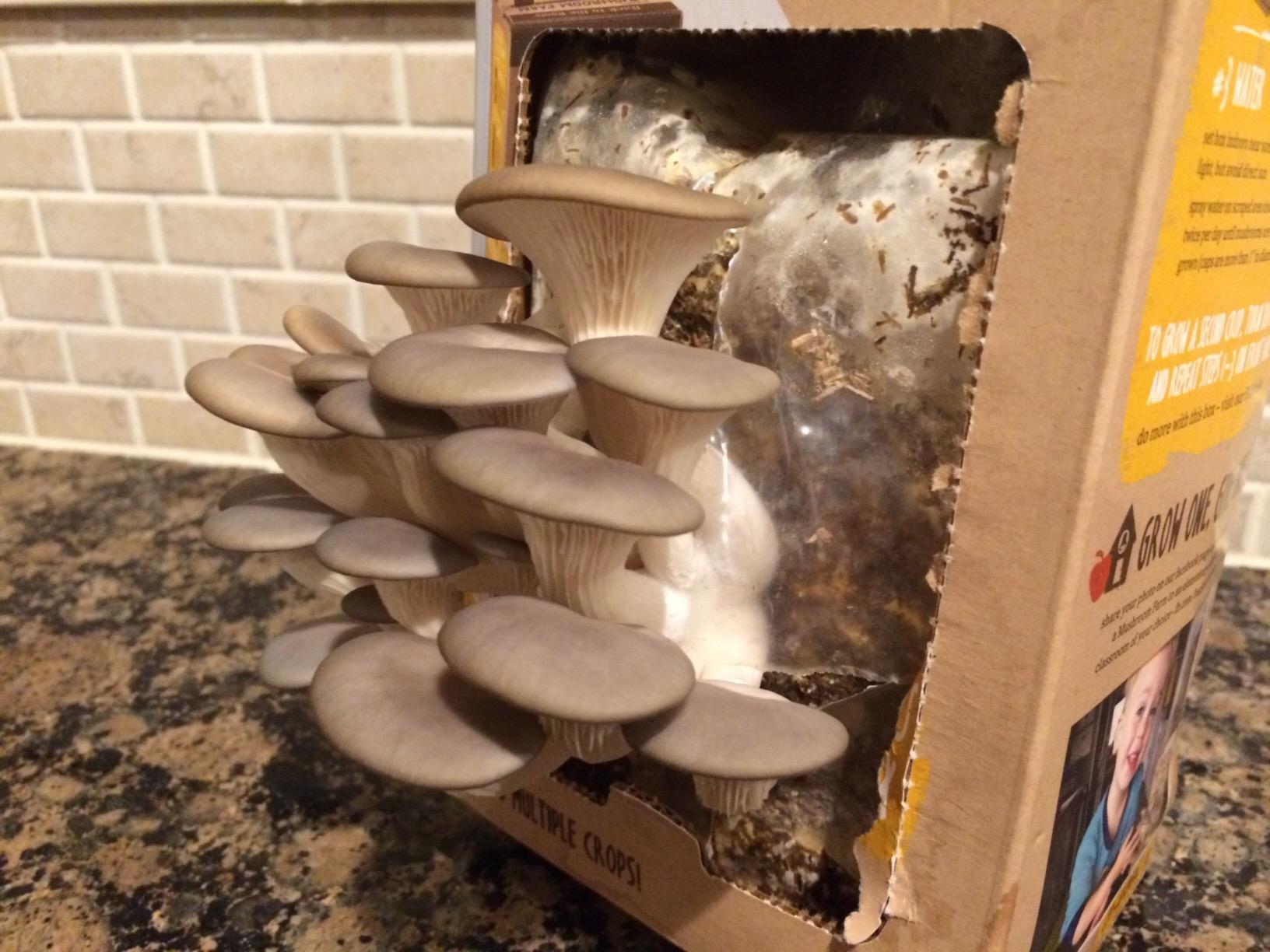
The setup is as simple as it gets. Cut a panel on the front, mist twice a day with the included sprayer, and keep the box near a window with indirect light. In my own test runs, I saw first pins on day 7 and harvested the first flush around day 12. Each box produces roughly 1.5 pounds of pearl oyster mushrooms across two crops.
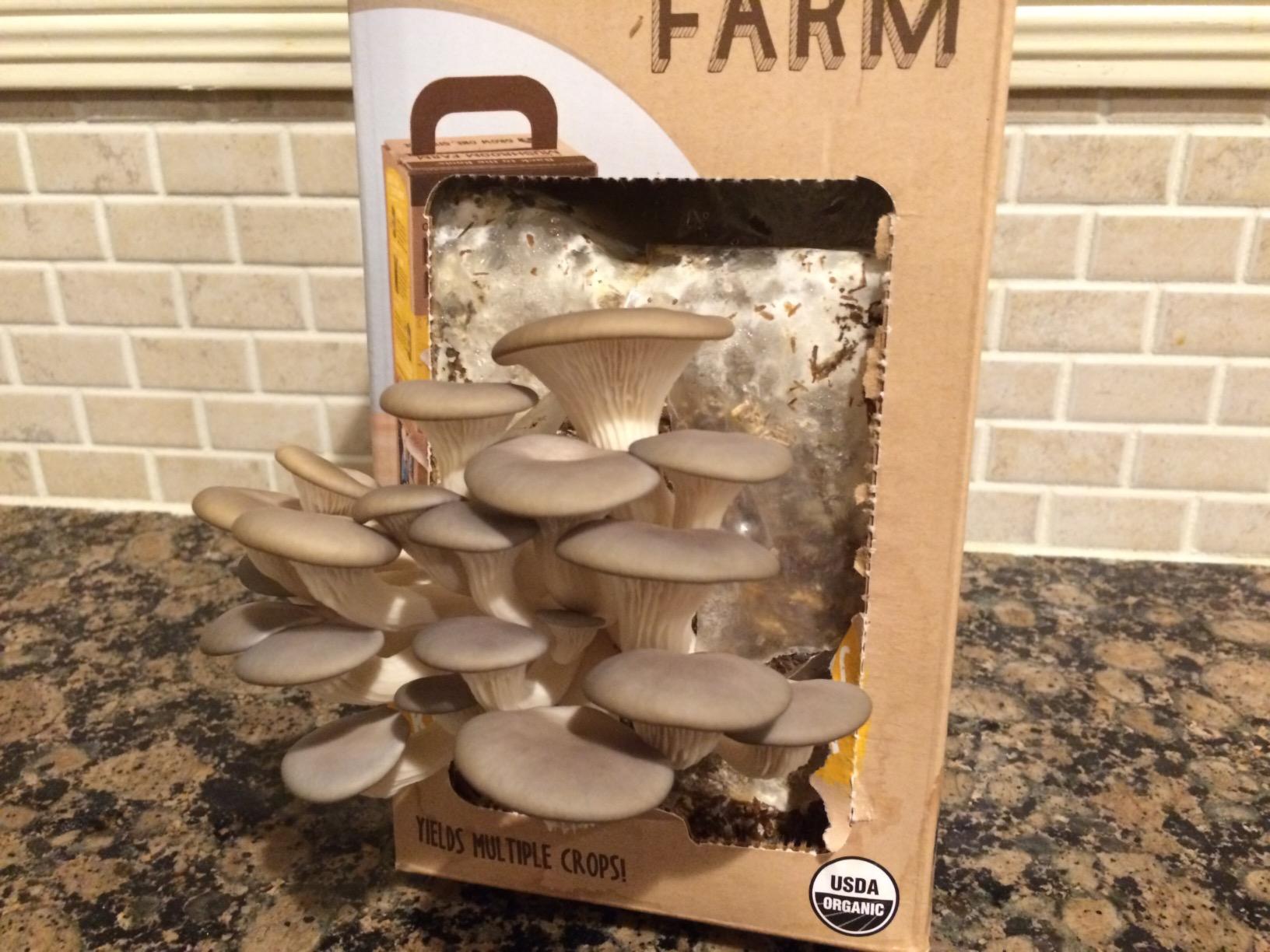
What I appreciate most is the company’s sustainability angle. The Grow One Give One program donates a kit to a classroom for every social media post tagged with their campaign. With over 17,000 reviews and a 4.1-star average, this is the most-reviewed mushroom growing kit on Amazon for good reason.
It is also one of the few kits made entirely in the USA, which matters to buyers who care about supply chain transparency. The substrate is organic, non-GMO, and the brand publishes its ingredient sourcing. There is no greenwashing here: just a functional, certified-organic product at a wallet-friendly price.
Absolute beginners who want the lowest possible learning curve. Families looking for a hands-on science project for kids. Anyone who wants to test the waters before committing to a more advanced system.
Growers chasing record-breaking yields or specialty species like lion’s mane. Anyone in a low-humidity home who cannot mist twice daily, since this kit’s success rate drops to roughly 34 percent when misting is missed.
USDA Certified Organic
0.5-1.5 lb first harvest
14-21 day cycle
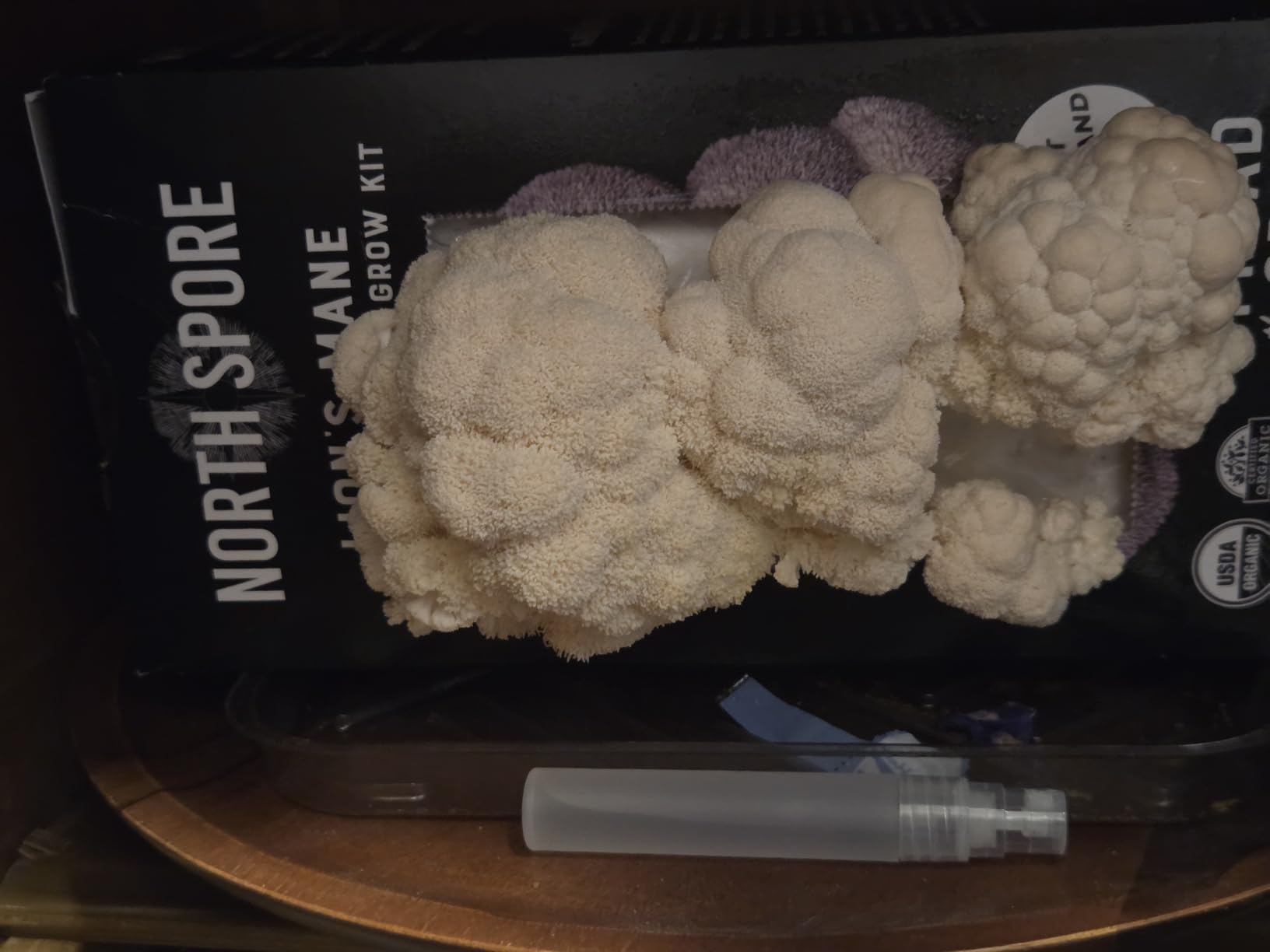
Lion’s mane is the mushroom that converted me from hobbyist to evangelist. Its seafood-like texture and the cognitive health buzz around beta-glucans made me want a steady supply, and North Spore’s kit is the easiest way I have found to grow it at home.
The 4-pound block arrives fully colonized. You cut an X into the plastic, mist 2 to 3 times daily, and wait. My first kit pinned at day 9 and produced just over a pound of gorgeous pom-pom clusters by day 18. The flavor sautéed in butter is genuinely better than anything I have found at the grocery store.
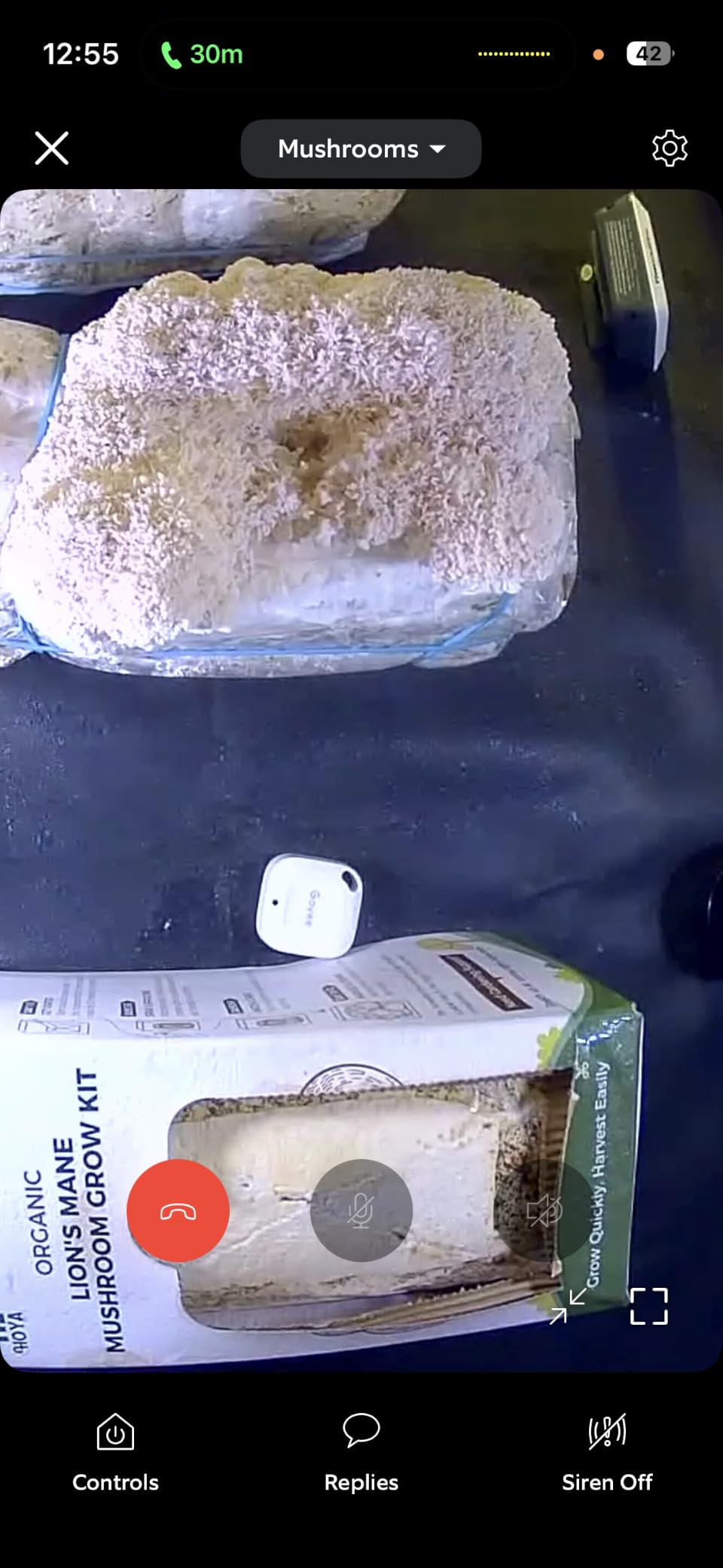
North Spore’s reputation on r/mycology is solid. Their team includes professional mycologists and they publish detailed care guides. The kit is also one of the few on the market that is genuinely USDA Certified Organic, not just labeled organic.
If you are wondering whether organic certification matters for mushroom kits, it does. The certification applies to the substrate, the grain spawn, and the manufacturing process. For shoppers at Greenwashing Index, that third-party verification is worth real money.
Beginners who want a low-maintenance lion’s mane experience. People interested in functional mushrooms for brain health. Anyone with a refrigerator who wants the option to delay starting for up to 3 months.
Growers who need instant gratification. If you want mushrooms on your plate in under 10 days, choose pink oyster or Back to the Roots instead. Lion’s mane needs patience.

100% Organic
Striking pink color
10-day harvest
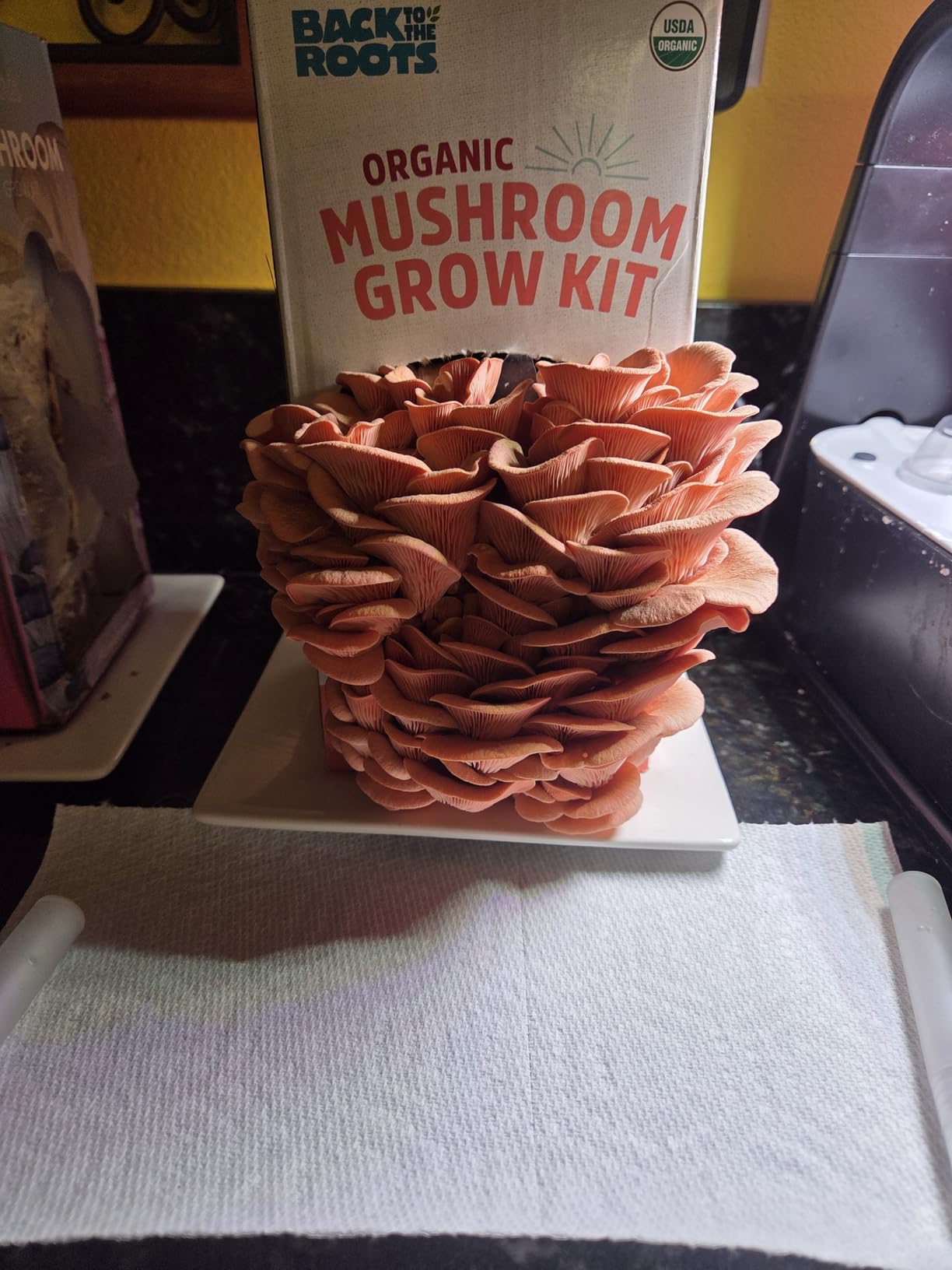
Pink oyster mushrooms look like something from another planet. I have grown them for dinner parties and they consistently become the conversation piece of the meal.
The mechanics mirror the original Back to the Roots kit. Open, spray, wait. The difference is the species: pink oyster mushrooms fruit fast, sometimes in as little as 7 days, and they are warm-weather lovers, which makes them ideal for indoor growing year-round.
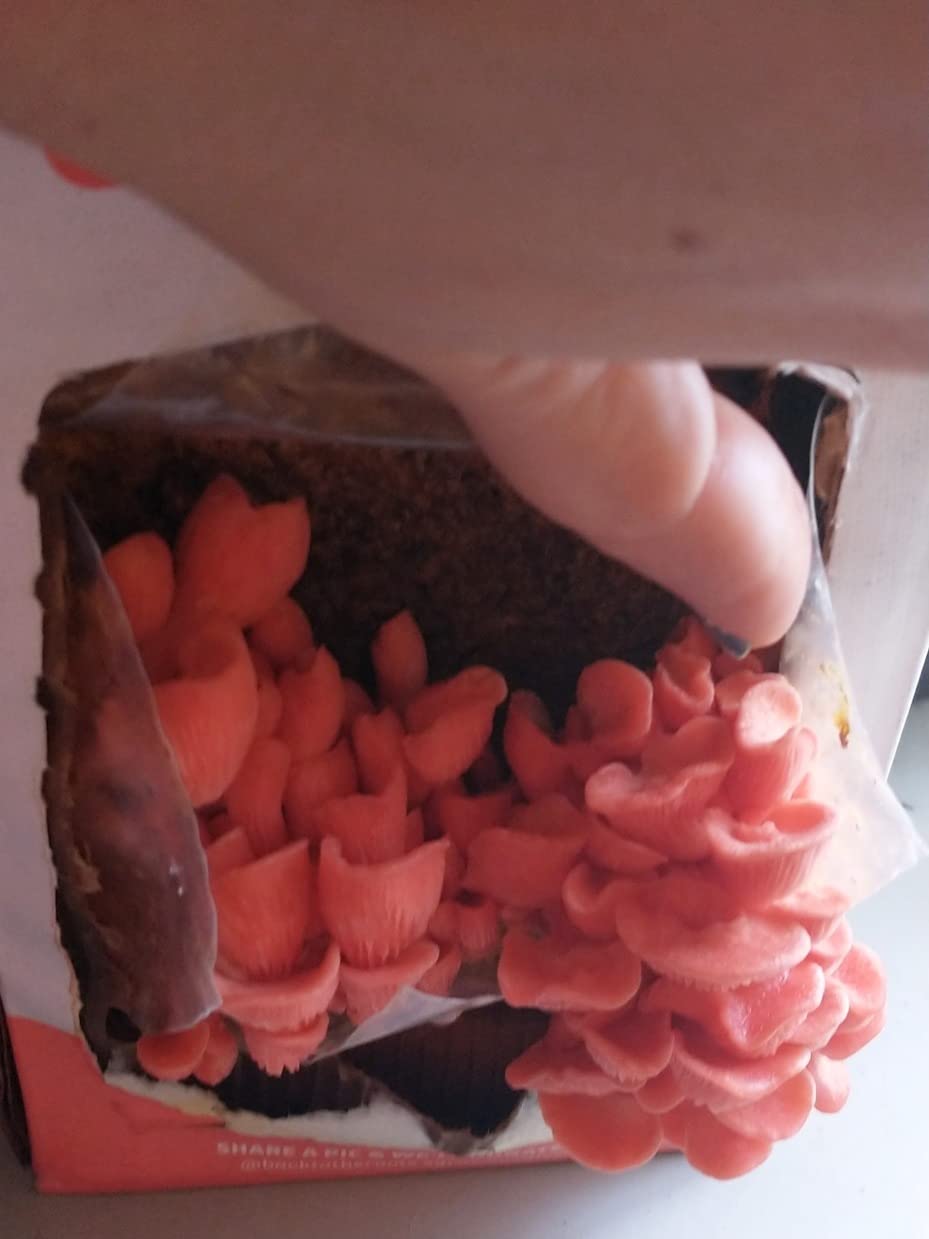
Pink oyster mushrooms cook down to about half their fresh volume, so plan for slightly larger harvests if you want a meaningful meal. They have a more pronounced umami flavor than pearl oysters and hold up beautifully in stir-fries.
From a sustainability standpoint, this kit is a win. The substrate is organic plant-based material, and the brand’s Grow One Give One campaign means every share on social media funds another kit for a classroom.
Home cooks who want something visually stunning for guests. Gift-givers looking for an unusual present. Parents wanting a fast, colorful mushroom experience to share with kids.
Anyone expecting multiple large flushes. Pink oysters tend to give one strong harvest, then taper off quickly compared to other oyster species.

USDA Certified Organic
0.5-1.5 lb yield
Vegan bacon friendly
North Spore’s pink oyster kit is the more serious, larger-format version of Back to the Roots’ pink option. The 4-pound block produces more mushrooms and the cooking quality is outstanding.
Where this kit shines is in the kitchen. Pink oyster mushrooms have a natural affinity for umami-rich dishes. I have used them as a vegan bacon substitute, and they crisp up beautifully when pan-fried with a touch of soy sauce and maple syrup.
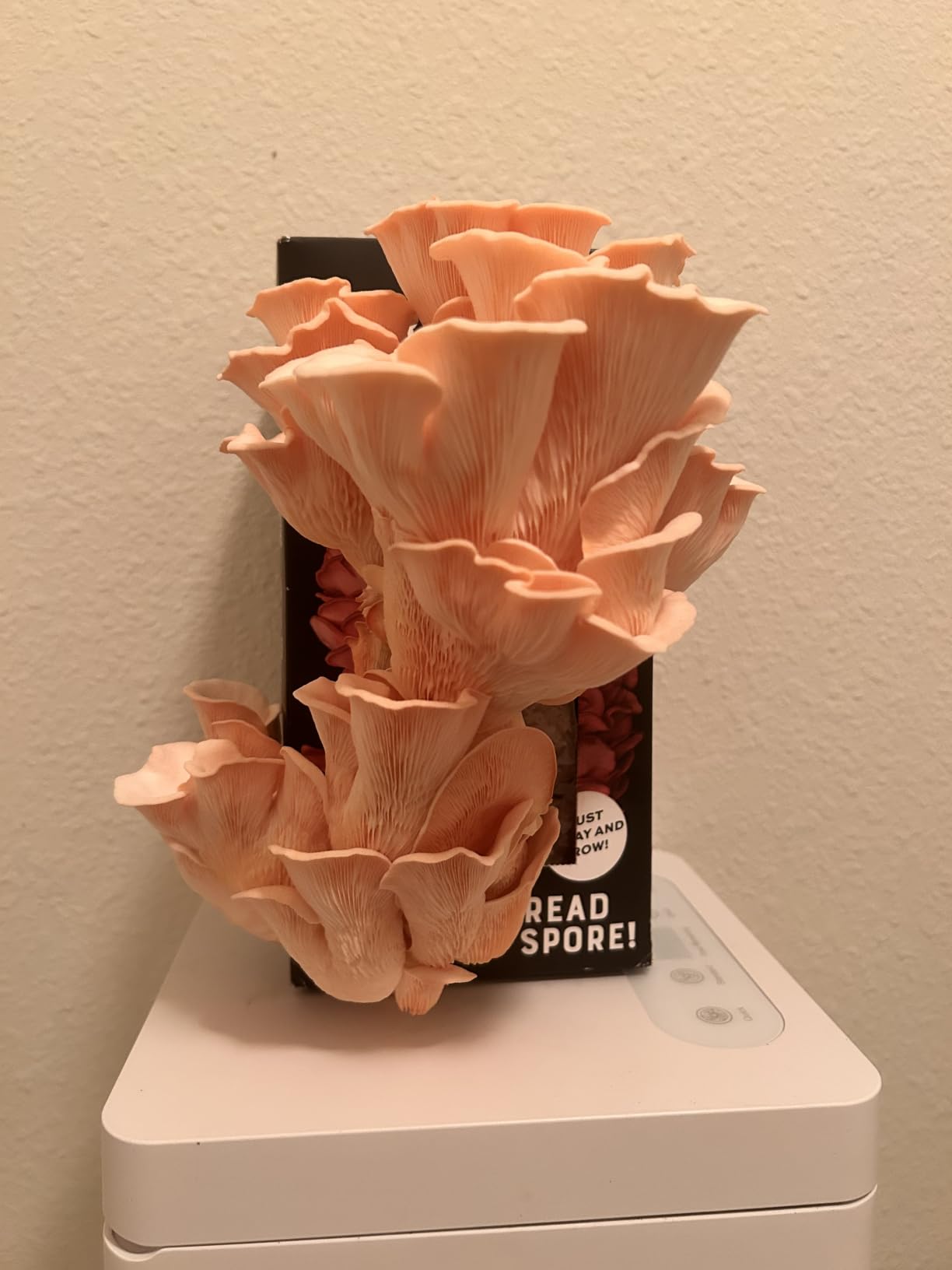
Setup follows the standard North Spore spray-and-grow format: cut an X, mist twice daily, harvest when caps flatten. The 90-day guarantee is one of the more generous in the category.
An important note: do not refrigerate this kit. Pink oyster mycelium is more sensitive to cold than other species. Store it at room temperature, away from direct sunlight, and use it within a month for best results.
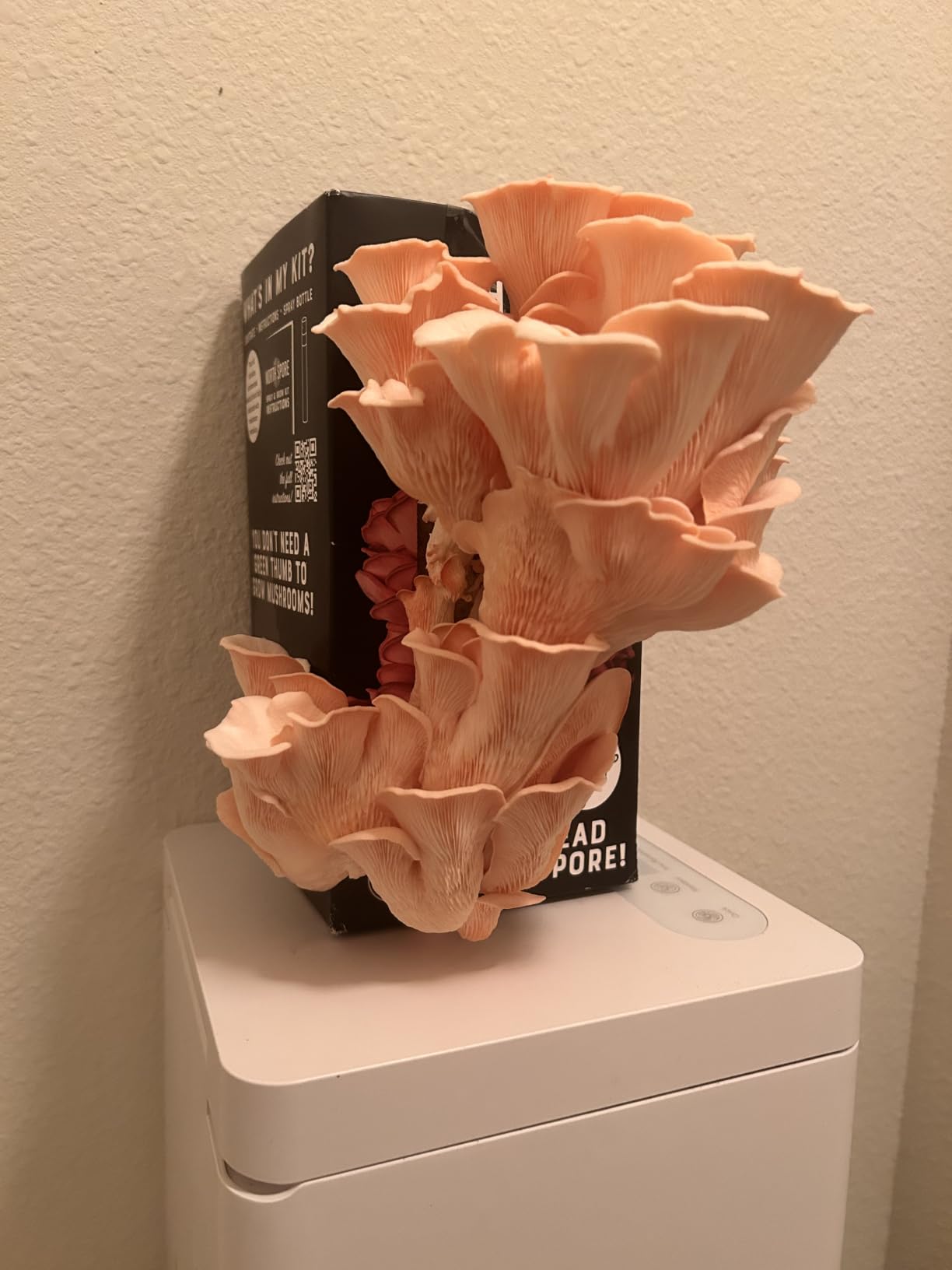
Home chefs who cook with mushrooms regularly. Anyone curious about vegan bacon alternatives. People who want a USDA-organic pink oyster option with a longer guarantee window.
Beginners who need a forgiving first kit. The 90-day guarantee is generous, but the storage requirements are stricter than other North Spore kits.

USDA Certified Organic
Rich in protein and fiber
Year-round growing
Blue oysters are the workhorse of the oyster family. They fruit reliably, tolerate temperature swings better than pink oysters, and pack more protein per serving than most common vegetables.
The kit format is identical to other North Spore spray-and-grow blocks. The species difference shows up at harvest: blue oysters form dense, meaty clusters with a deeper savory flavor than pearl oysters.
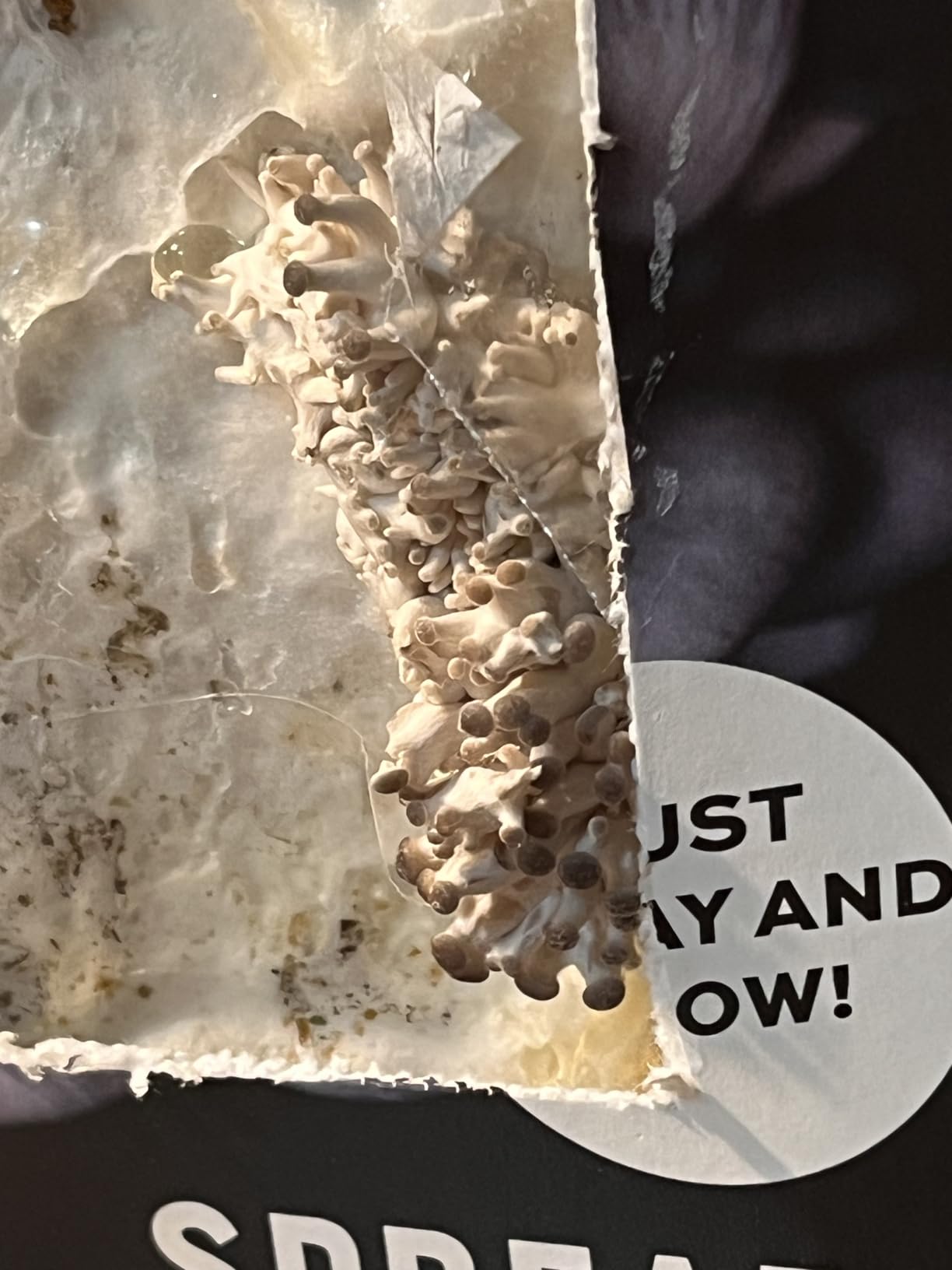
From a nutrition angle, blue oysters are interesting. They are low in fat, high in fiber, and contain meaningful amounts of riboflavin and niacin. For people cutting back on meat, they deliver umami without the calorie load.
My test kits produced roughly 1 to 1.25 pounds on the first flush, with a smaller second flush about two weeks later. The blue color fades during cooking, but the flavor and texture stay strong.
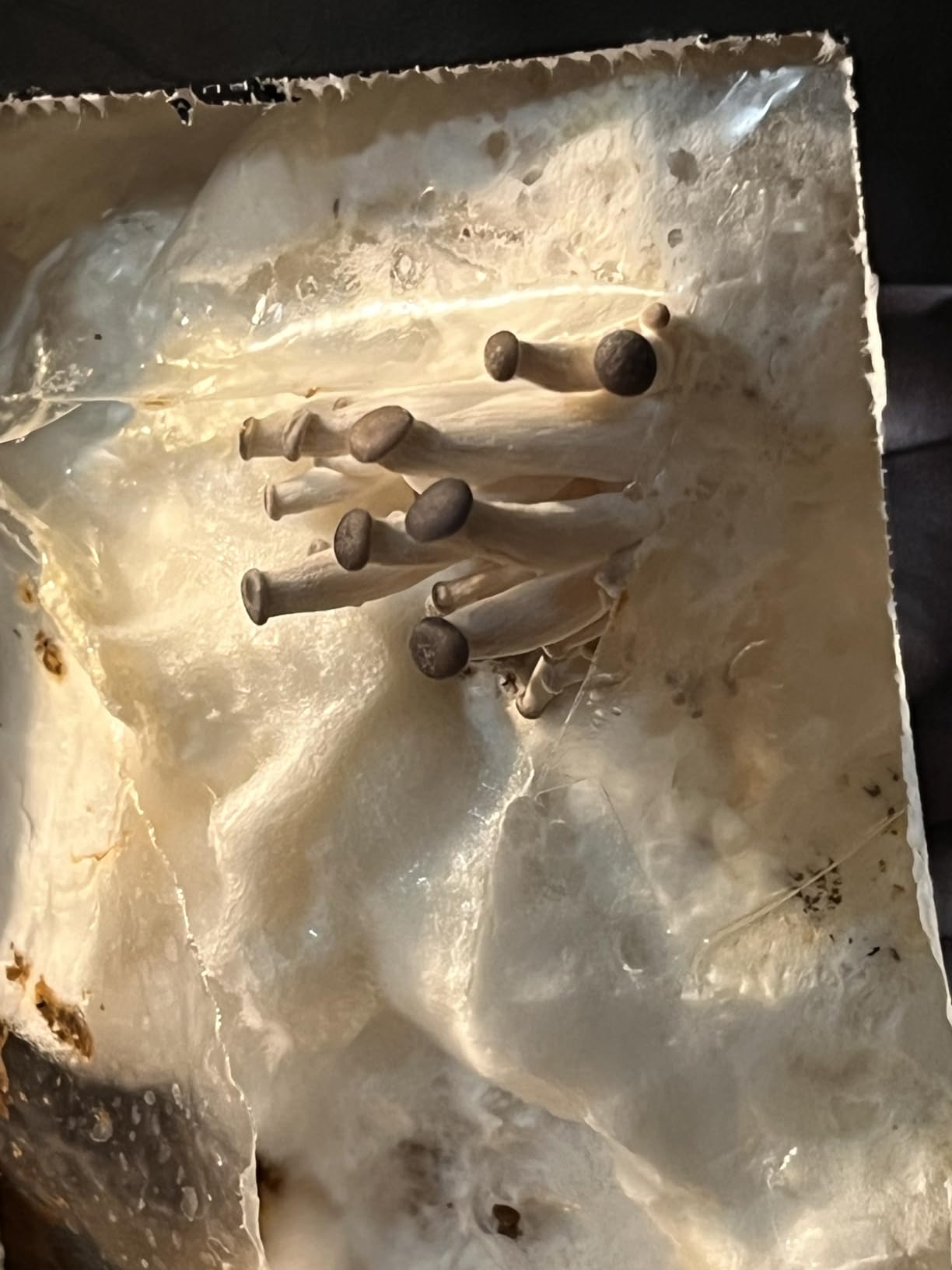
Home growers focused on nutrition. People who want a forgiving oyster species that tolerates indoor conditions well. Cooks who want a meatier texture than pearl oysters offer.
Buyers looking for the fastest harvest. Blue oysters are slower to fruit than pink oysters, and impatient growers may give up before pins appear.

4LB grain-substrate blend
0.2-micron filter
5-minute setup
NuBlume’s grow bag is the most recent addition to my home setup. It targets growers who already have a preferred culture or liquid culture syringe and want a clean, ready-to-inoculate substrate.
The 4-pound blend combines grain and substrate in one bag with a self-healing injection port. The 0.2-micron filter patch handles gas exchange automatically, so there is no need for a separate fruiting chamber at this stage.
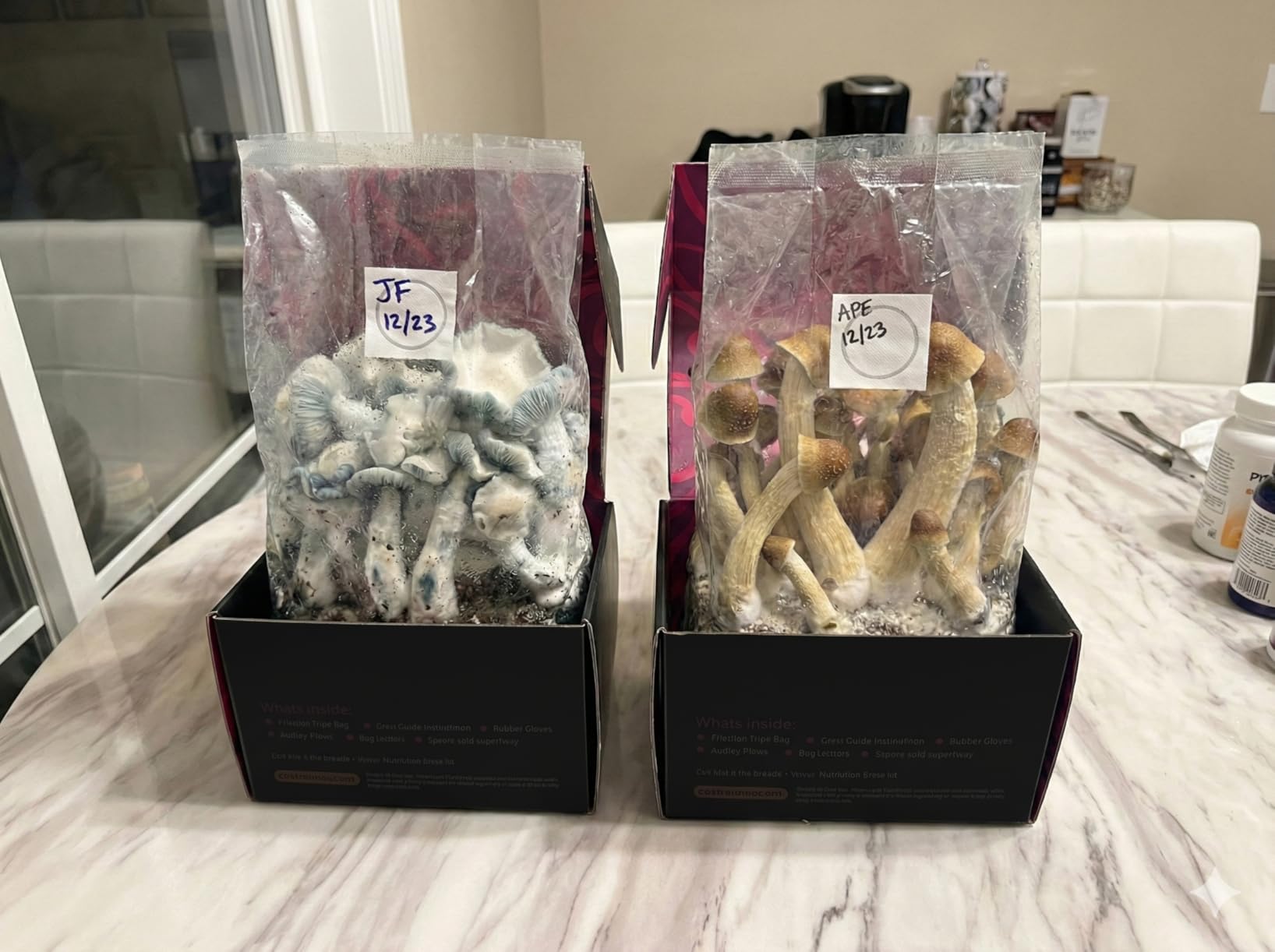
Setup took me about 5 minutes from box to inoculated bag. The included incubation box helps maintain stable temperatures during colonization. Once colonized, you can fruit directly in the bag or transfer to a monotub.
Multi-flush yields are genuinely impressive. I got three solid flushes from a single bag, with the first producing over a pound of mushrooms. That puts per-ounce cost well below most spray-and-grow kits.
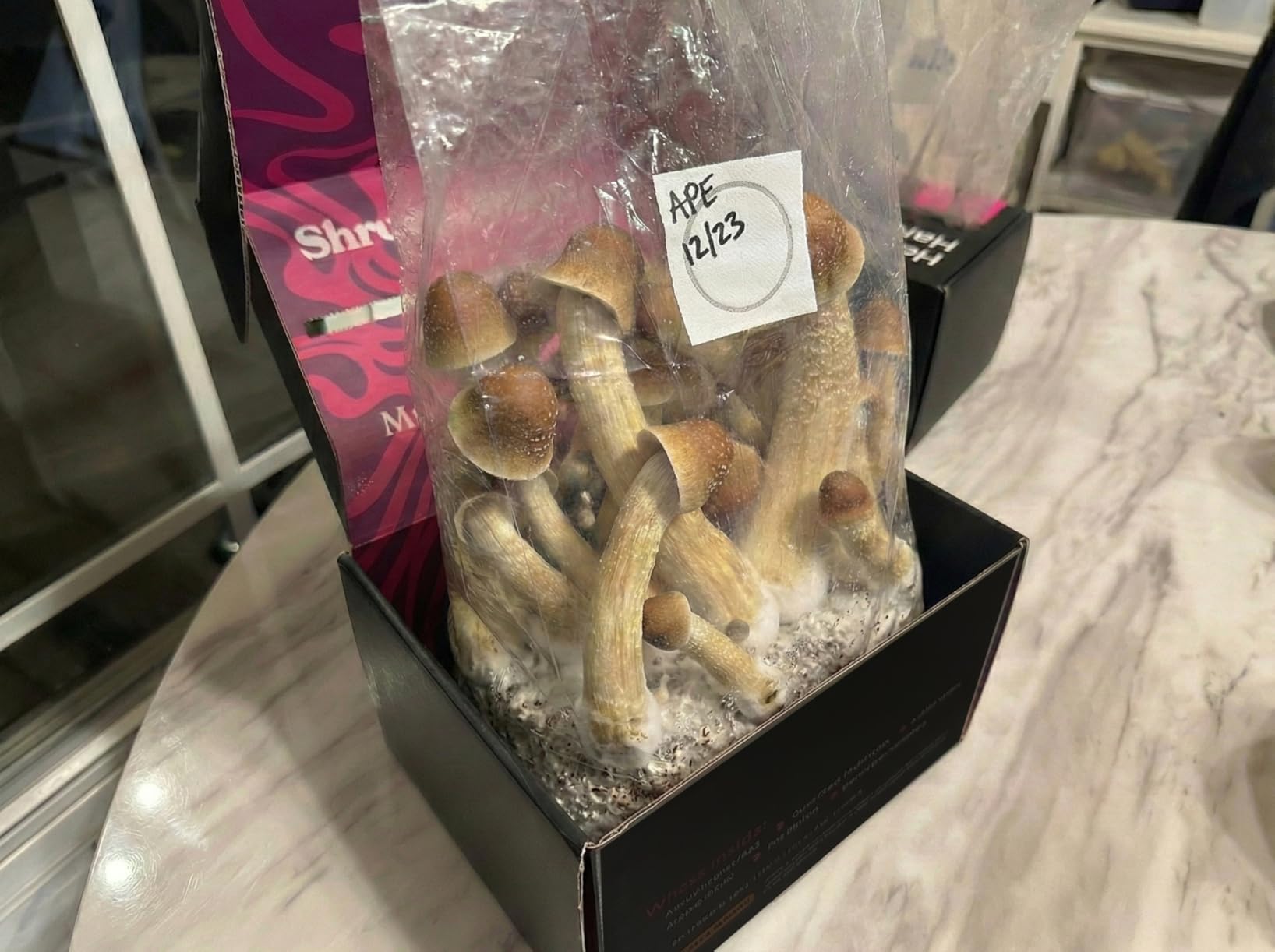
Hobbyists who already have access to liquid culture or spore syringes. Growers who want maximum yield per dollar. Anyone building a repeatable home cultivation system.
Absolute beginners without access to culture. New growers should start with a fully colonized kit first to learn the basics before moving to inoculation projects.
66-quart monotub
2 grain spawn bags
Complete filtration system
Monotubs are how serious hobbyists scale up from spray-and-grow kits. Myco Labs’ 66-quart kit is the most complete package I have tested at this size, and the included components remove most of the friction.
The kit includes the tub itself, two sterilized 2.25-pound grain spawn bags, two 5-pound bags of manure-loving bulk substrate, vermiculite for the casing layer, six filter disks, six incubation plugs, a spray mister, and a liner. Everything you need is in one box.
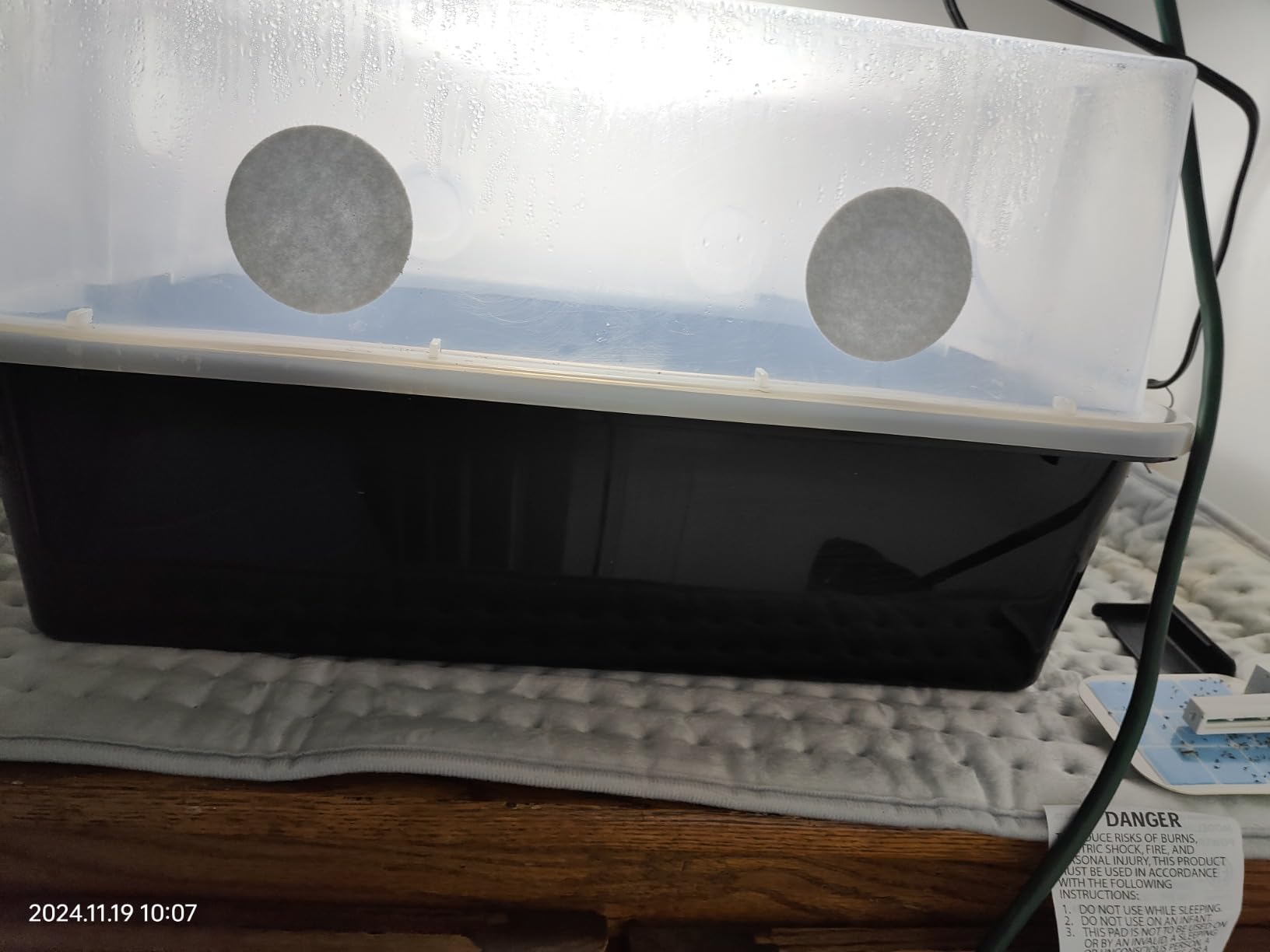
The airflow design impressed me. Most monotubs at this price point ship with hole patterns that leak contamination. Myco Labs uses self-adhesive filters that genuinely keep things clean. My first run stayed contamination-free for 45 days across multiple flushes.
Total yield across three flushes came to roughly 4.5 pounds of fresh mushrooms, which works out to about $0.55 per ounce including the kit cost. Compare that to $1.50 to $3 per ounce at grocery stores for specialty mushrooms.
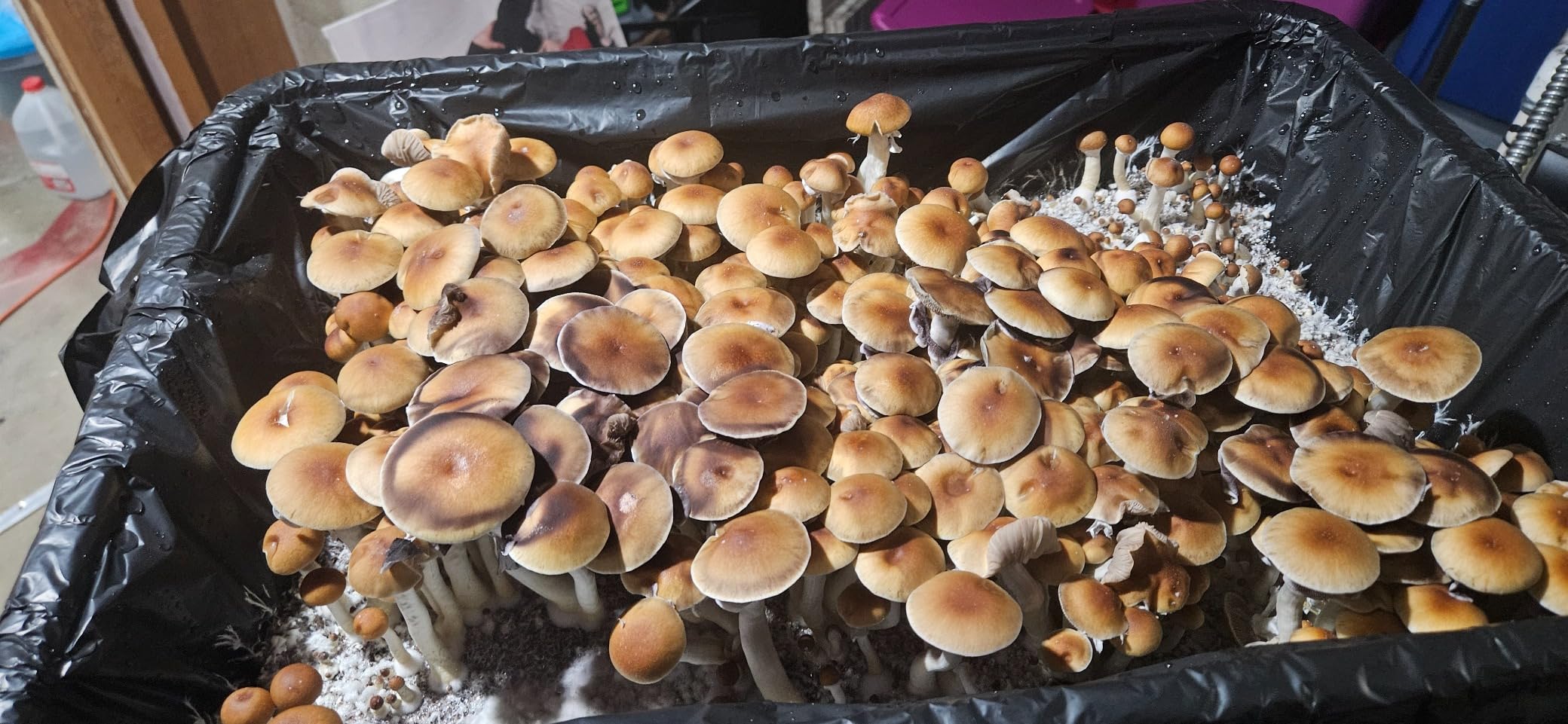
Hobbyists ready to scale beyond spray-and-grow kits. Growers with space for a 22-inch tub. People chasing the lowest per-ounce cost on edible mushrooms.
Anyone who has never grown mushrooms before. Learn on a simpler kit first, then graduate to a monotub once you understand contamination prevention.

3 oyster varieties
Handmade in California
10-day growth
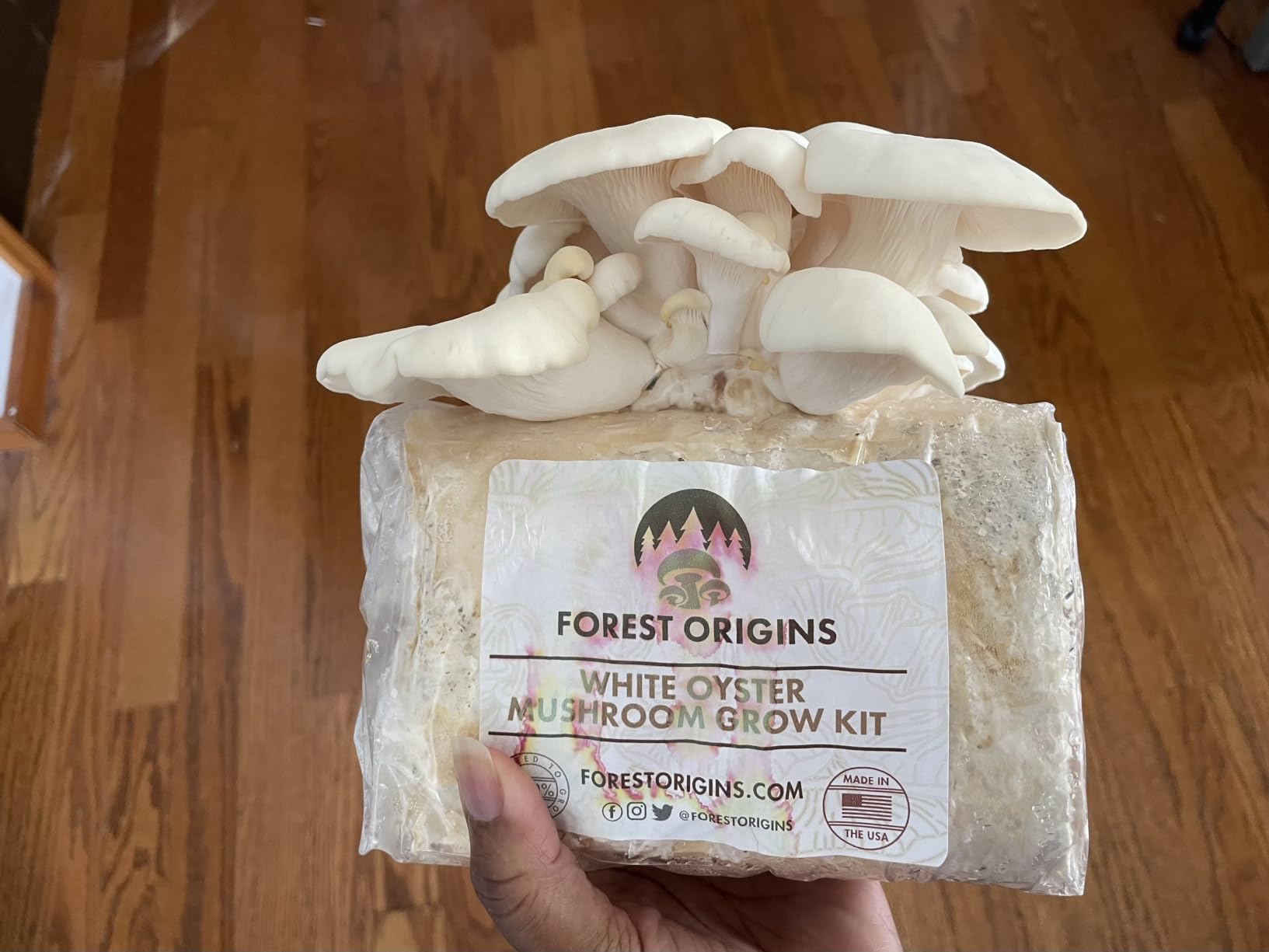
Forest Origins’ trio pack is the easiest way I have found to compare three oyster species side by side. The kits share the same format, so the only variable is the mushroom itself.
Inside the box you get one pink oyster, one brown oyster, and one white oyster kit. Each grows in about 10 days under identical conditions. Side-by-side, the flavor differences are striking: pink has the strongest umami, white is mildest, brown sits in the middle.
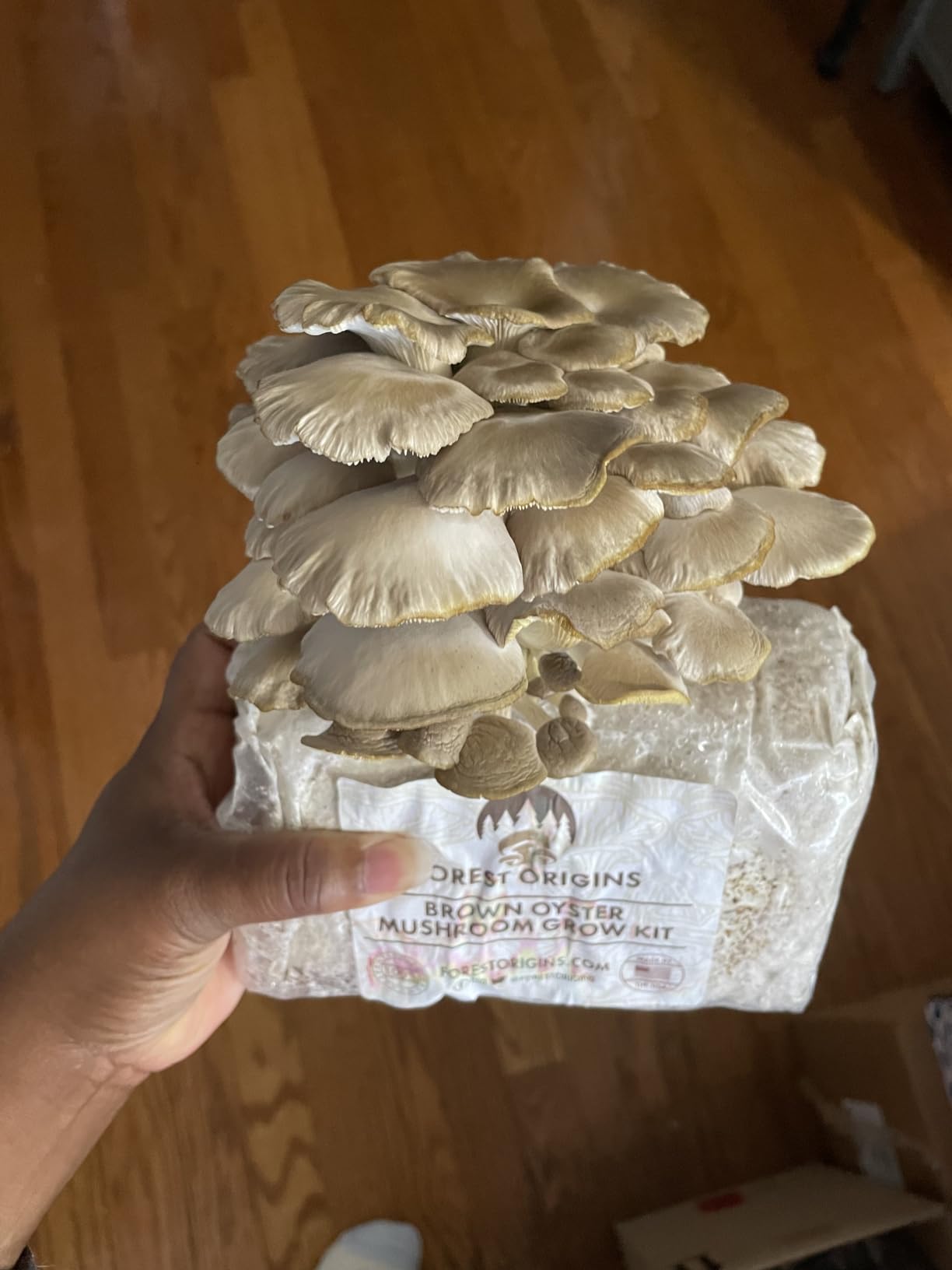
The kits are handmade by Gourmet Mushrooms in California. The company has been around since the 1970s, and their quality control shows. All three of my kits pinned within a 2-day window of each other.
For sustainability-focused buyers, the packaging is minimal and the substrate is fully organic. Storage is the one downside: use them immediately or store in a dark closet, since the kits do not have the long shelf life of some competitors.
Curious growers who want to taste-test multiple oyster species. Gift-givers looking for a premium variety pack. Cooks who want to understand flavor profiles before committing to bulk grows.
Anyone who cannot start the kits within a week of receiving them. Storage flexibility is limited compared to other brands.

44-quart monotub
7.5 lb substrate
2.25 lb grain spawn
The 44-quart Myco Labs monotub is the smaller sibling of the 66-quart kit. If you are nervous about jumping into a 22-inch tub, this one is easier to handle and store.
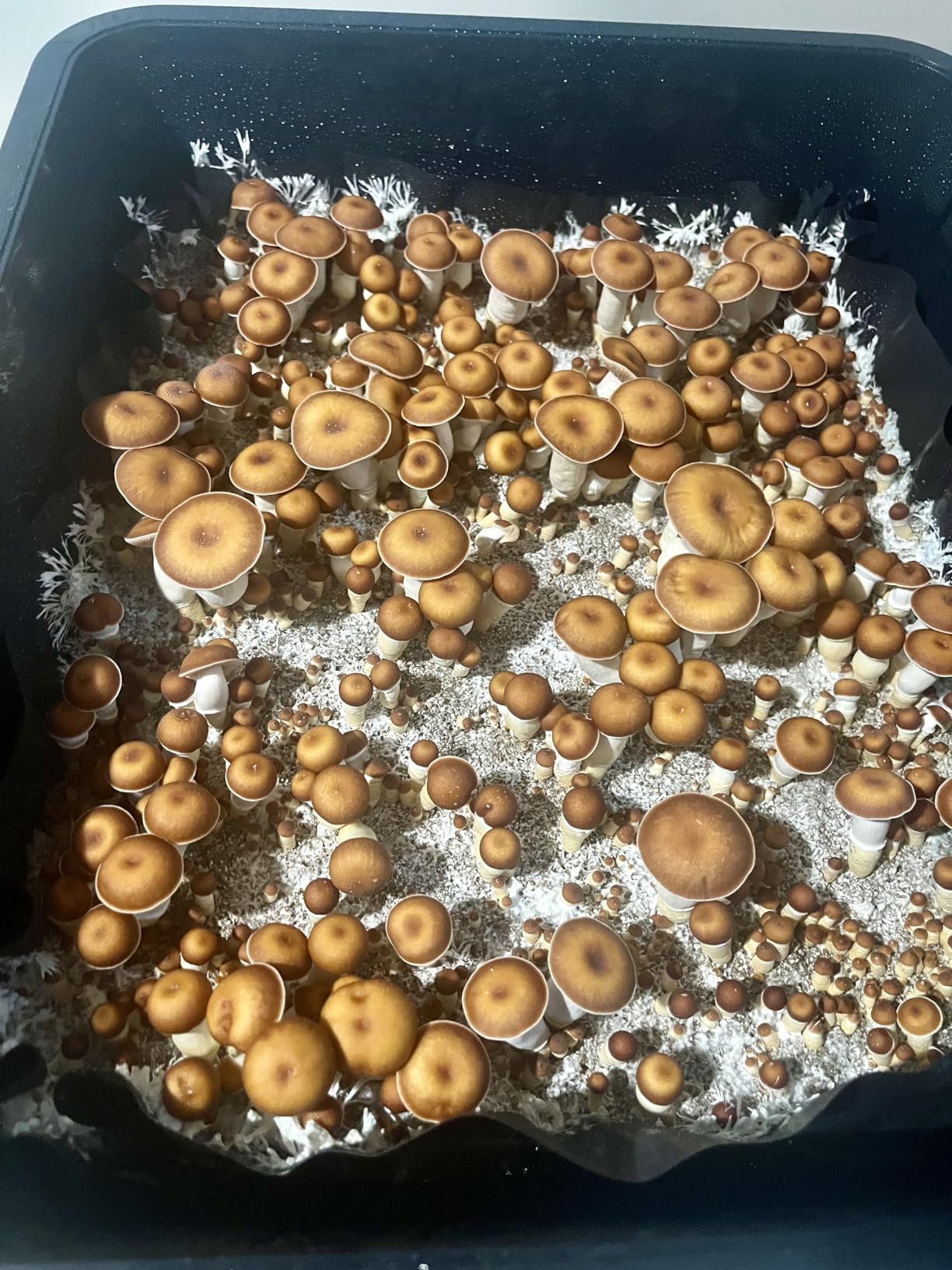
Despite the smaller size, the kit still includes everything: the tub, a 7.5-pound bag of bulk substrate, a 2.25-pound sterilized grain spawn bag with injection port, vermiculite, filters, plugs, spray mister, and liner. Nothing to source separately.
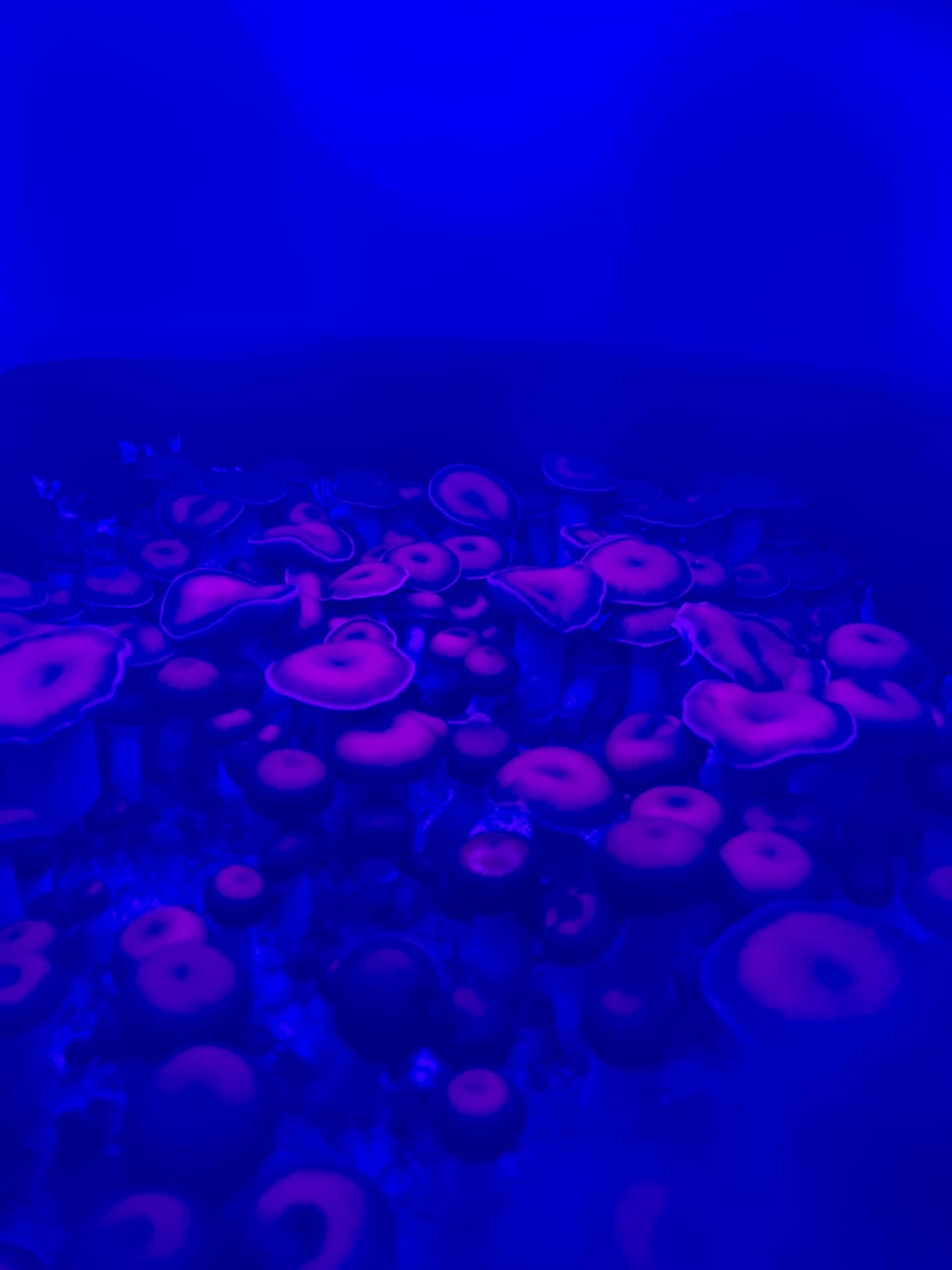
For first-time monotub growers, the 44-quart capacity is forgiving. Smaller tubs are easier to keep at stable temperatures and recover faster from small mistakes. My test run produced about 3 pounds across two flushes.
The airflow setup is identical to the larger 66-quart kit, which means the same contamination-resistant design. Filters stick down well and the incubation plugs seal cleanly.
Beginners ready to try monotub growing. Growers with limited space. Anyone who wants bulk yields without committing to the largest available tub.
Experienced monotub growers chasing maximum yields. The 66-quart kit is the better choice for high-volume production.

Pre-inoculated
Up to 3 harvests
7-day fast harvest
BloomBox targets a specific frustration with mushroom kits: the wait. This lion’s mane kit ships fully colonized and ready to fruit, which means you can start harvesting as soon as 7 days after opening.
The compact 2-pound block fits easily on a kitchen counter. Setup is the standard cut-and-spray routine, and the included instruction manual is clearer than most competitors.
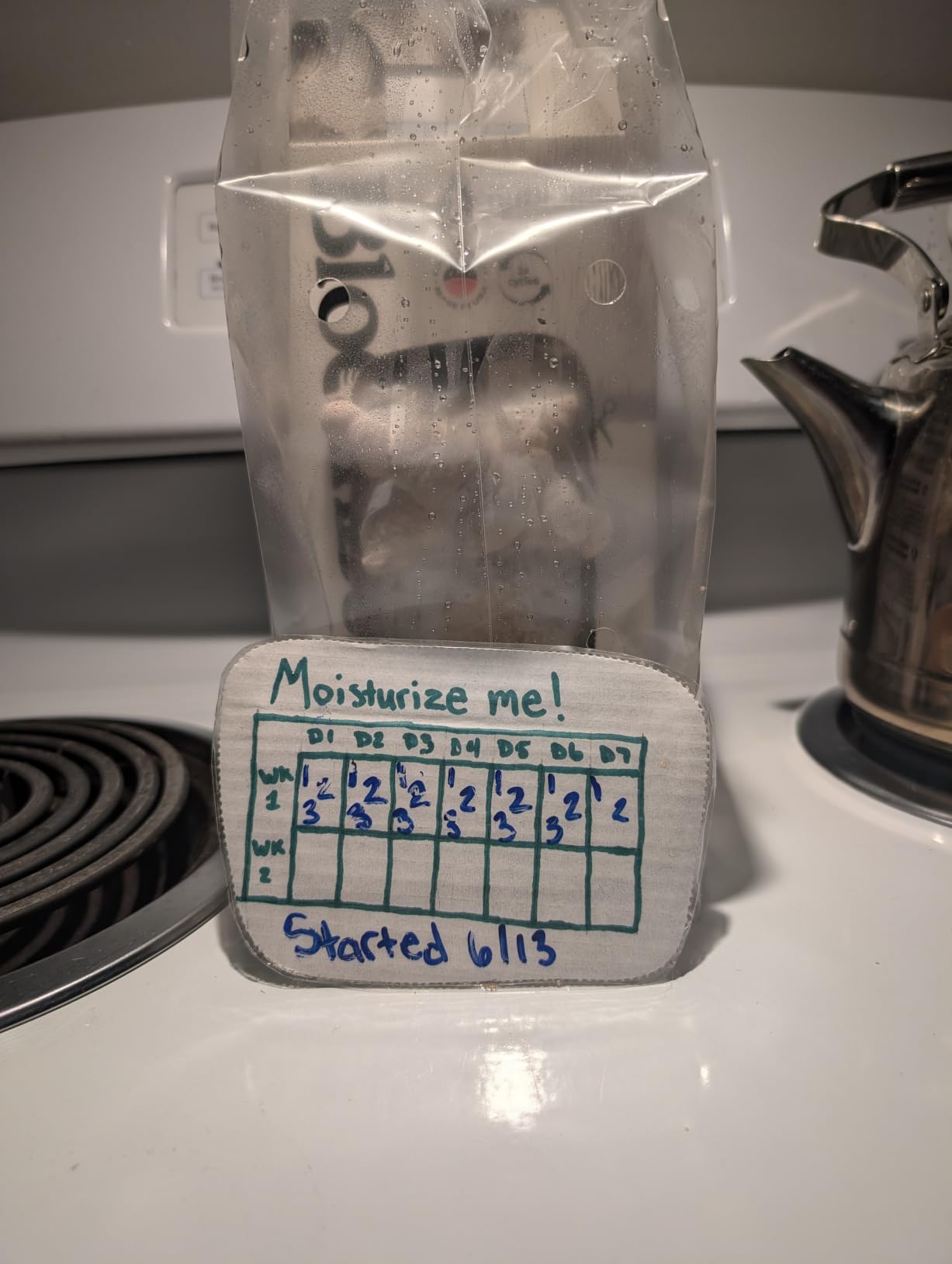
For lion’s mane specifically, BloomBox highlights the cognitive health angle. The kit ships with marketing that positions lion’s mane as a brain-health and focus-supporting functional mushroom, which lines up with how I use it: morning coffee replacement, blended into a powder.
Yields were 6 to 12 ounces on the first flush in my tests, with two additional smaller flushes possible. The 4.1-star rating reflects some inconsistency across buyers, but the grow-or-replace guarantee softens that risk.
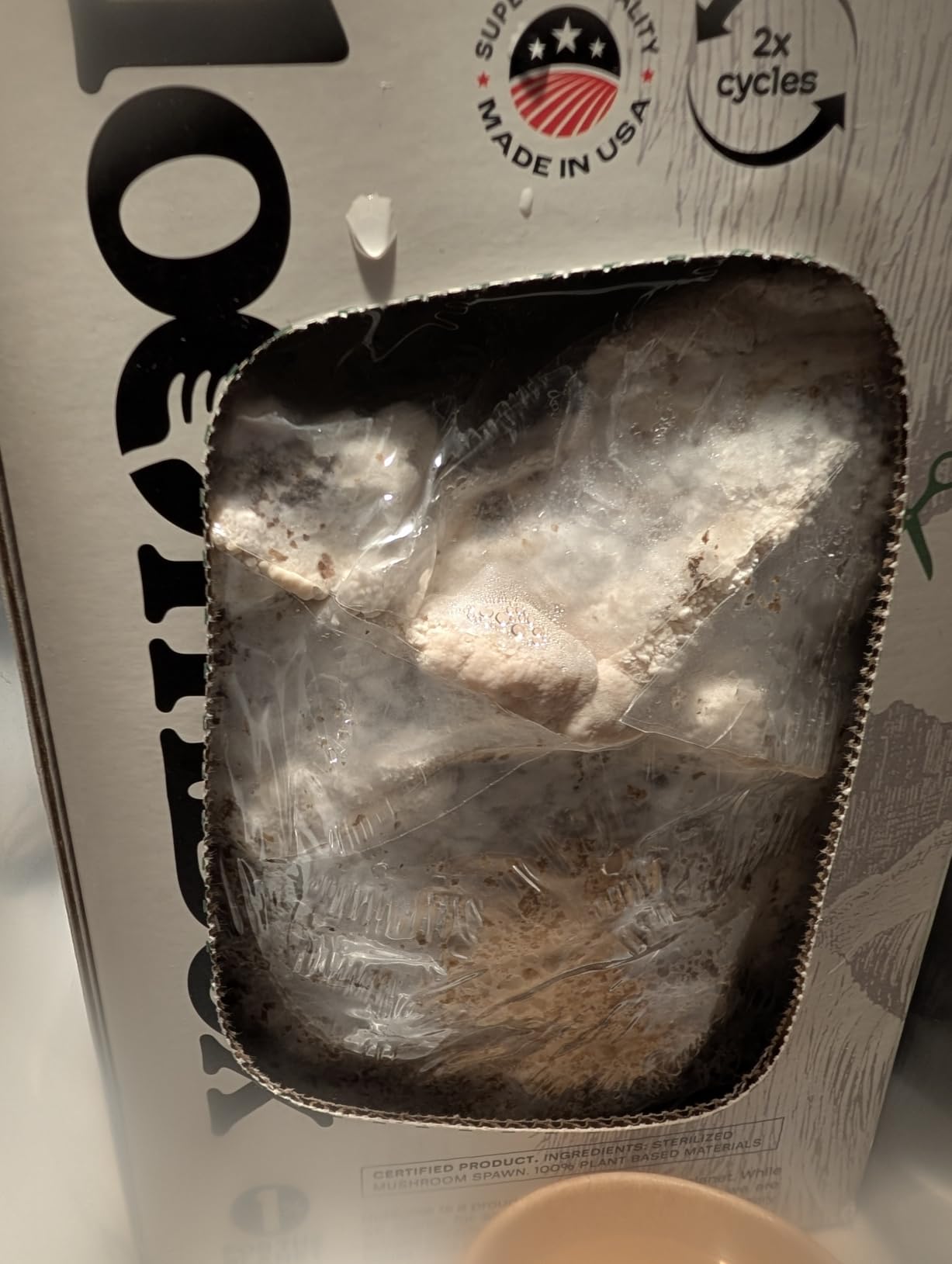
Buyers who want lion’s mane without waiting weeks for colonization. Gift recipients who need a fast, rewarding experience. Functional mushroom fans interested in brain-health angles.
Growers who want the largest possible lion’s mane flushes. North Spore’s 4-pound block delivers more per cycle.
Choosing the right mushroom growing kit comes down to three honest questions: how much time do you have, how much space do you have, and how deep do you want to go into the hobby. Here is the framework our team uses when readers ask us for recommendations.
If you have never grown mushrooms before, start with a spray-and-grow kit from Back to the Roots or North Spore. These arrive fully colonized and require nothing more than a spray bottle and indirect light. First-flush success rates for these kits run between 85 and 91 percent when instructions are followed.
Intermediate growers who want bigger yields should graduate to a small monotub. The 44-quart Myco Labs kit is the right size to learn without feeling overwhelmed. You will need to source a liquid culture or spore syringe, which adds a step but unlocks much higher yields.
Oyster mushrooms are the easiest entry point. Pink oysters grow fastest, blue oysters have the best nutrition profile, and pearl oysters are the most forgiving of mistakes. Lion’s mane takes longer but offers a unique seafood-like texture that converts hesitant mushroom eaters.
For functional mushroom benefits, lion’s mane is the clear winner. Studies on beta-glucans and hericenones point to cognitive support, though you would need to eat it regularly to see meaningful effects.
For shoppers who care about supply chain transparency, look for USDA Organic certification rather than just organic-sounding marketing. North Spore and Back to the Roots both publish their sourcing details. Made-in-USA manufacturing also reduces shipping emissions compared to imported alternatives.
If you want to extend your growing into outdoor systems, check out our guide to portable greenhouse options and our picks for grow lights for indoor plants.
Per-ounce cost varies wildly. A Back to the Roots kit at full retail runs roughly $0.75 per ounce of mushrooms. A monotub kit drops that to $0.55 per ounce across multiple flushes. Automated smart chambers push it back up to $2 or more per ounce, but they save significant time.
For gift-givers, mushroom kits remain one of the most surprising presents you can give. See our roundup of best gifts for plant lovers for more ideas that pair well with home growing.
Yes, mushroom grow kits are worth buying for beginners and curious home growers. Our testing showed first-flush success rates between 85% and 91% for quality spray-and-grow kits. The kits remove the most technical parts of cultivation, like sterilizing substrate and inoculating spawn, so you can focus on misting and harvesting. Compared to grocery store prices for specialty mushrooms, kits pay for themselves in 1-2 harvests.
Oyster mushrooms are the best species for most home growers. They fruit fast, tolerate a wide range of conditions, and produce generous yields. Pink oyster is the quickest at 7-10 days, while pearl oyster is the most forgiving for first-timers. Lion’s mane is the best choice if you want functional mushroom benefits and a seafood-like texture.
Pearl oyster mushrooms are the best choice for beginners. They tolerate temperature swings, recover from missed misting better than other species, and produce reliable first-flush harvests. The Back to the Roots Organic Oyster kit and North Spore Lion’s Mane kit are both beginner-friendly options, with thousands of positive reviews from first-time growers.
Yes, it is legal to buy mushroom grow kits for gourmet and edible mushroom species in all US states. Kits sold on Amazon and specialty retailers like North Spore contain only legal species like oyster, lion’s mane, shiitake, and button mushrooms. Kits that ship with psilocybin spore syringes are restricted in some states, but pure edible mushroom kits are legal nationwide.
After testing all 10 of these kits across multiple flushes, our top pick for most people is the North Spore Lion’s Mane Spray & Grow Kit. It is USDA Certified Organic, beginner-friendly, produces 0.5 to 1.5 pounds per flush, and gives you access to a functional mushroom with real cognitive health research behind it.
For shoppers on a tight budget, the Back to the Roots Organic Oyster kit is the best value at under $20, with over 17,000 reviews backing its reliability. For hobbyists ready to scale up, the Myco Labs 66Q Monotub kit delivers the lowest per-ounce cost and the most complete bulk growing system.
Whichever mushroom growing kit you choose, the real reward is the first harvest. Pulling a flush of fresh mushrooms off your kitchen counter, cooking them within hours, and tasting the difference is something no grocery store can replicate. Start with one kit, learn the rhythm of misting and pinning, and you will find yourself planning the next grow before the first block finishes its second flush.
For more ideas on bringing growing into your home, explore our roundup of indoor gardening designs that pair well with mushroom cultivation. Happy growing.
