
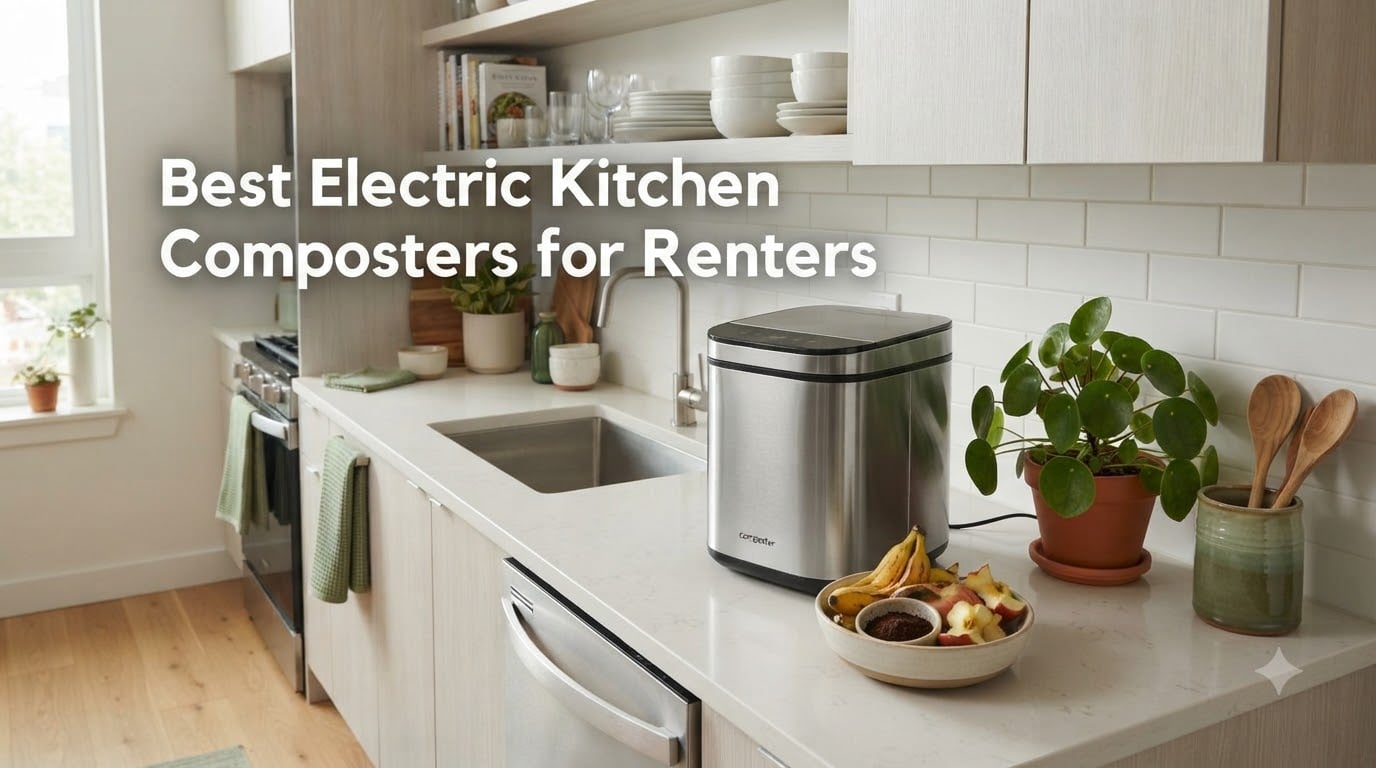
Living in a rental apartment means you probably do not have a backyard compost pile waiting for your banana peels and coffee grounds. When I moved into my first studio apartment, I felt guilty throwing food scraps in the trash every single day. That is exactly why I started testing electric kitchen composters for renters, looking for models that work in tight spaces, stay quiet through thin walls, and never leave a lingering smell.
Electric composters, also called food recyclers, use heat, grinding, and aeration to break down food waste in hours instead of months. Some models produce true compost through microbial processing while others dehydrate and grind scraps into dry fertilizer. Either way, they reduce food waste volume by up to 90%, which means fewer trips to the dumpster and less guilt about what goes in the trash. If you have been considering traditional kitchen compost bins but want something more hands-off, an electric model might be your answer.
Our team spent three months comparing 10 electric kitchen composters, testing each one in real apartment settings. We measured noise levels, tracked cycle times, assessed odor control, and evaluated how each unit fits on a standard rental kitchen counter. We also factored in lease compatibility, portability for move-out day, and ongoing filter costs that catch renters by surprise. Here is everything we found.
These three models stood out across all our testing categories: noise, odor control, capacity, and value for renters.


Here is a side-by-side breakdown of all 10 models we tested. Use this table to compare capacity, cycle time, and key features before diving into the individual reviews.
| Product | Features | Price |
|---|---|---|
|
|
Check Latest Price |
 |
|
Check Latest Price |
 |
|
Check Latest Price |
 |
|
Check Latest Price |
 |
|
Check Latest Price |
 |
|
Check Latest Price |
 |
|
Check Latest Price |
 |
|
Check Latest Price |
 |
|
Check Latest Price |
|
|
Check Latest Price |
14L capacity
28dB noise level
2-24 hour cycle
True aerobic composting
3-layer filter system
I placed the Reencle Prime on my kitchen counter next to the coffee maker, and honestly forgot it was running most of the time. At 28 dB, it is quieter than my refrigerator. That matters enormously when you share walls with neighbors in an apartment building.
The aerobic composting process sets this unit apart from dehydrators. It uses patented microbe technology to actually decompose food waste into real compost, not just dried powder. I added vegetable scraps, coffee grounds, and leftover rice throughout the day, and the Reencle handled everything without complaint.
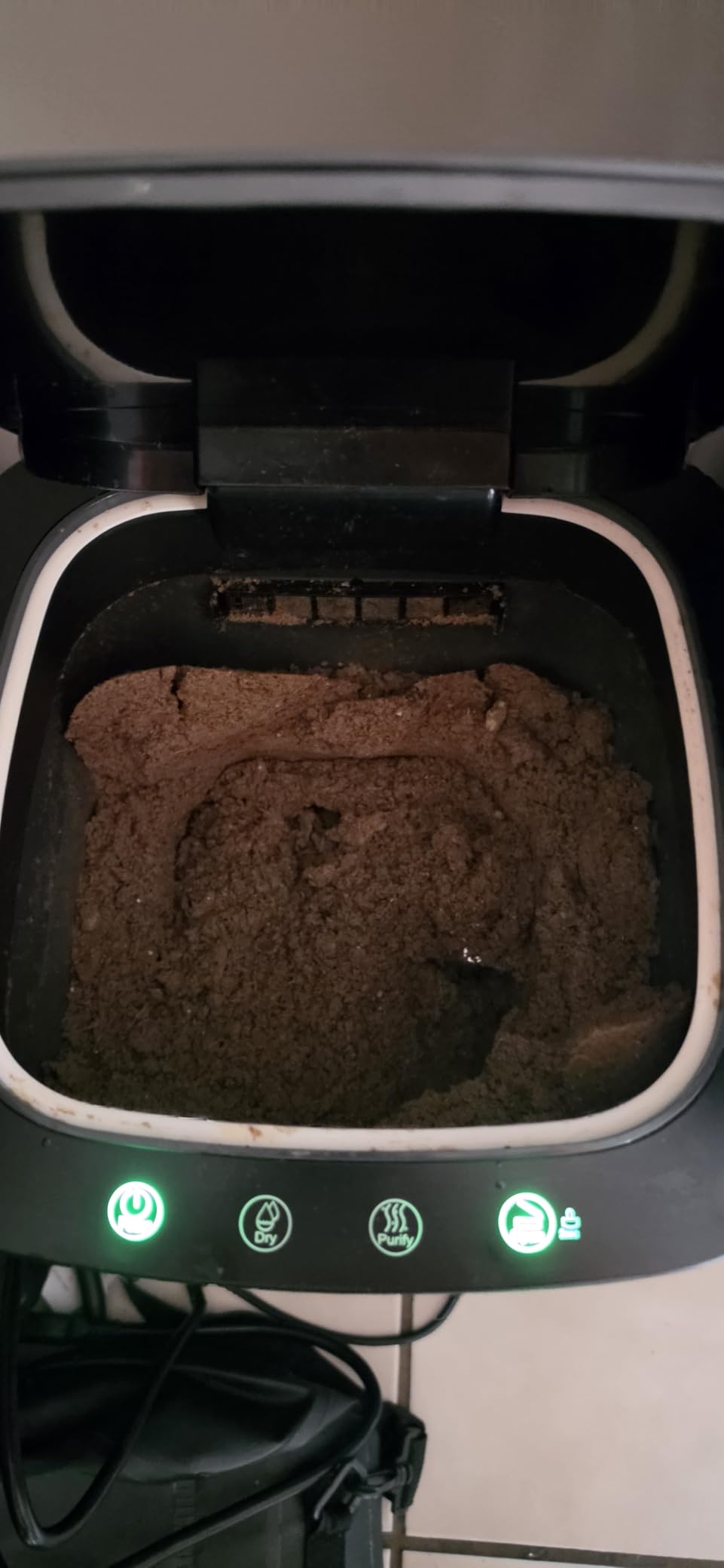
The 3-layer filter system does its job. I ran the Reencle for two weeks straight in my 500-square-foot apartment, and not once did I catch a whiff of anything unpleasant. My partner, who has an extremely sensitive nose, confirmed the same thing.
The 14L capacity is generous for a countertop unit. I found myself emptying it about twice a week for a two-person household, which felt manageable. The included compost starter pack and shovel make the setup process straightforward even if you have never composted before.
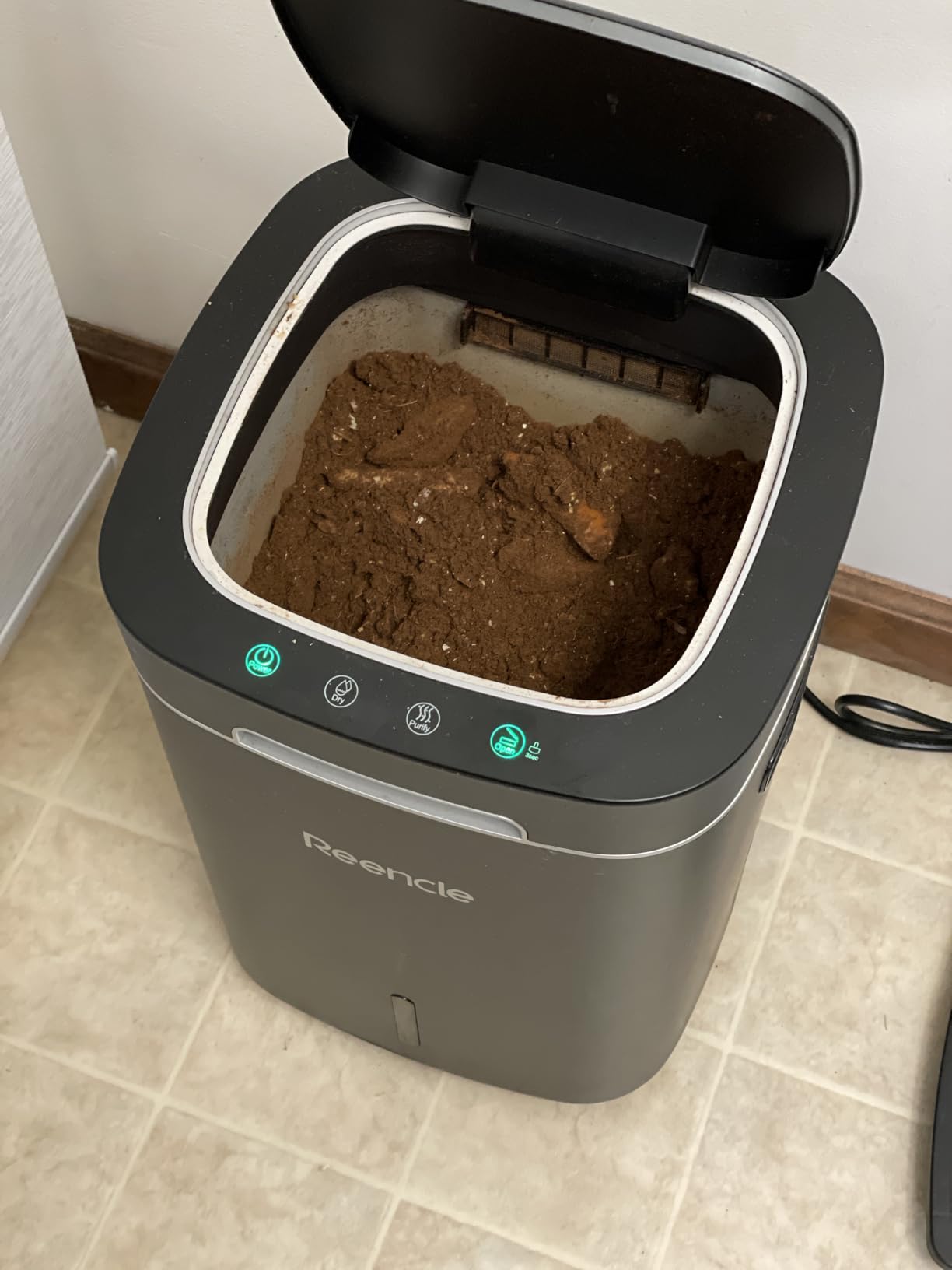
At 12 by 13 by 18.4 inches, the Reencle Prime takes up roughly the same counter space as a standard toaster oven. The silver finish blends well with stainless steel appliances common in rental kitchens. Since it weighs only 20 pounds, one person can easily move it during a lease transition.
The self-contained design requires no plumbing or permanent installation. You just plug it into a standard outlet and start adding food waste. When you move out, unplug it, empty the chamber, and pack it up.
The carbon filters need periodic replacement, which is the main ongoing cost. Reencle includes a starter pack, but you should budget for replacement filters every few months depending on usage. The energy-efficient design keeps electricity costs low, comparable to running a small appliance for a few hours daily.
With 351 reviews and an 82 percent five-star rate, most users report months to years of reliable operation. The main concern from negative reviews involves maintenance issues after extended use, so keep an eye on the filter and cleaning schedule.
5L capacity
Vortech grinding system
90% volume reduction
3-year warranty
Odorless operation
The FoodCycler Eco 5 became my go-to recommendation for renters who cook with a lot of hard food waste. Chicken bones, avocado pits, fruit peels, and stale bread all went in without any issues. The Vortech patented grinding system chewed through everything I threw at it.
This is a dehydrator-style food recycler, not a true composter. It grinds and dries food waste into a sterile, dry material that works great as a soil amendment. I personally mixed the output into my houseplant soil and saw noticeably healthier growth within a few weeks.
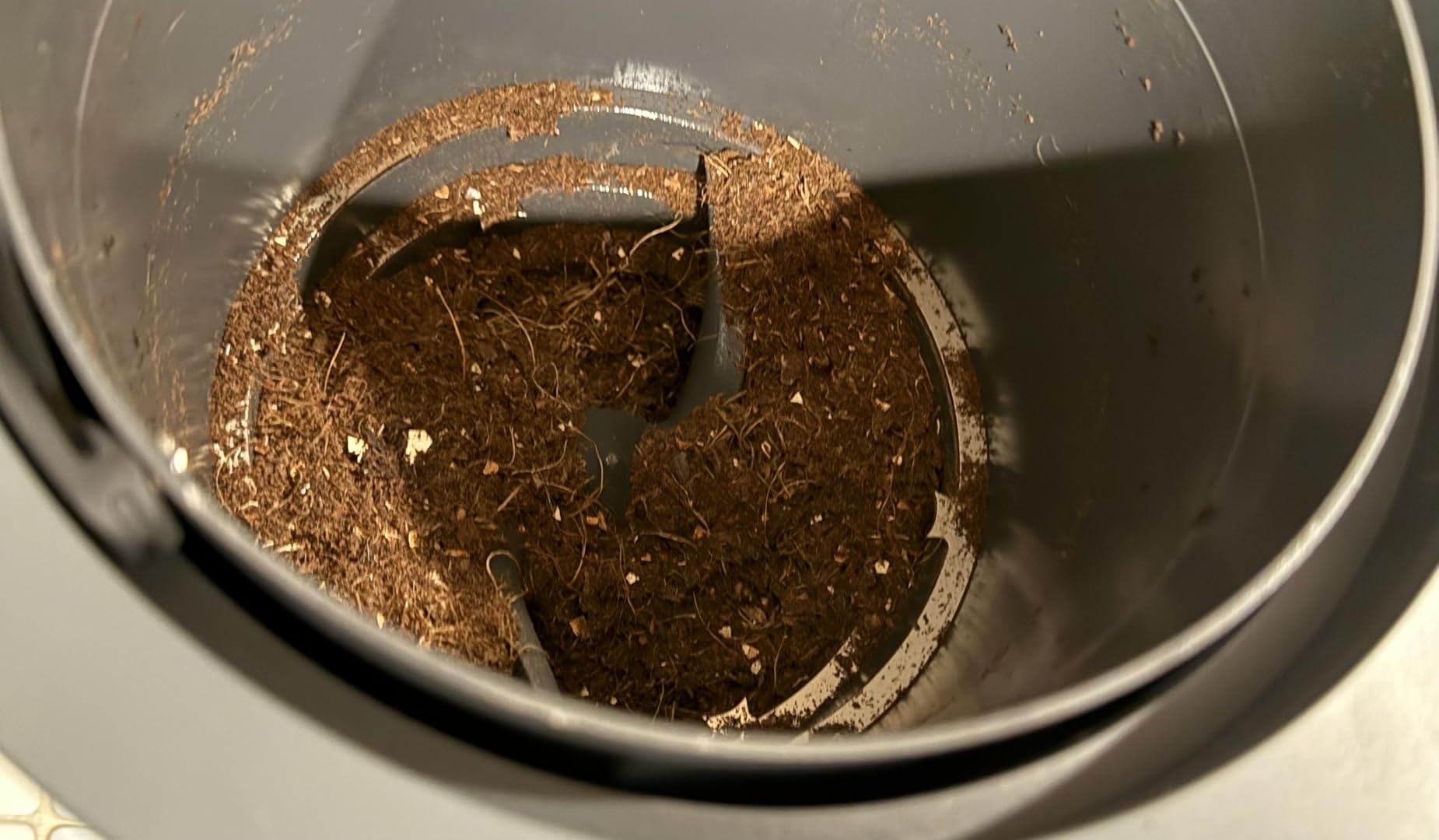
The 5L bucket capacity is the largest in its class among countertop models. For a household of two to three people, I typically ran one cycle every two to three days. The removable bucket makes emptying clean and simple, which I appreciated compared to units where you have to scoop material out of a fixed chamber.
Odor control is solid thanks to the refillable carbon filter system. During the active cycle there was a faint warm smell, but nothing that lingered after the cycle finished. In my open-concept apartment, this was never a dealbreaker.
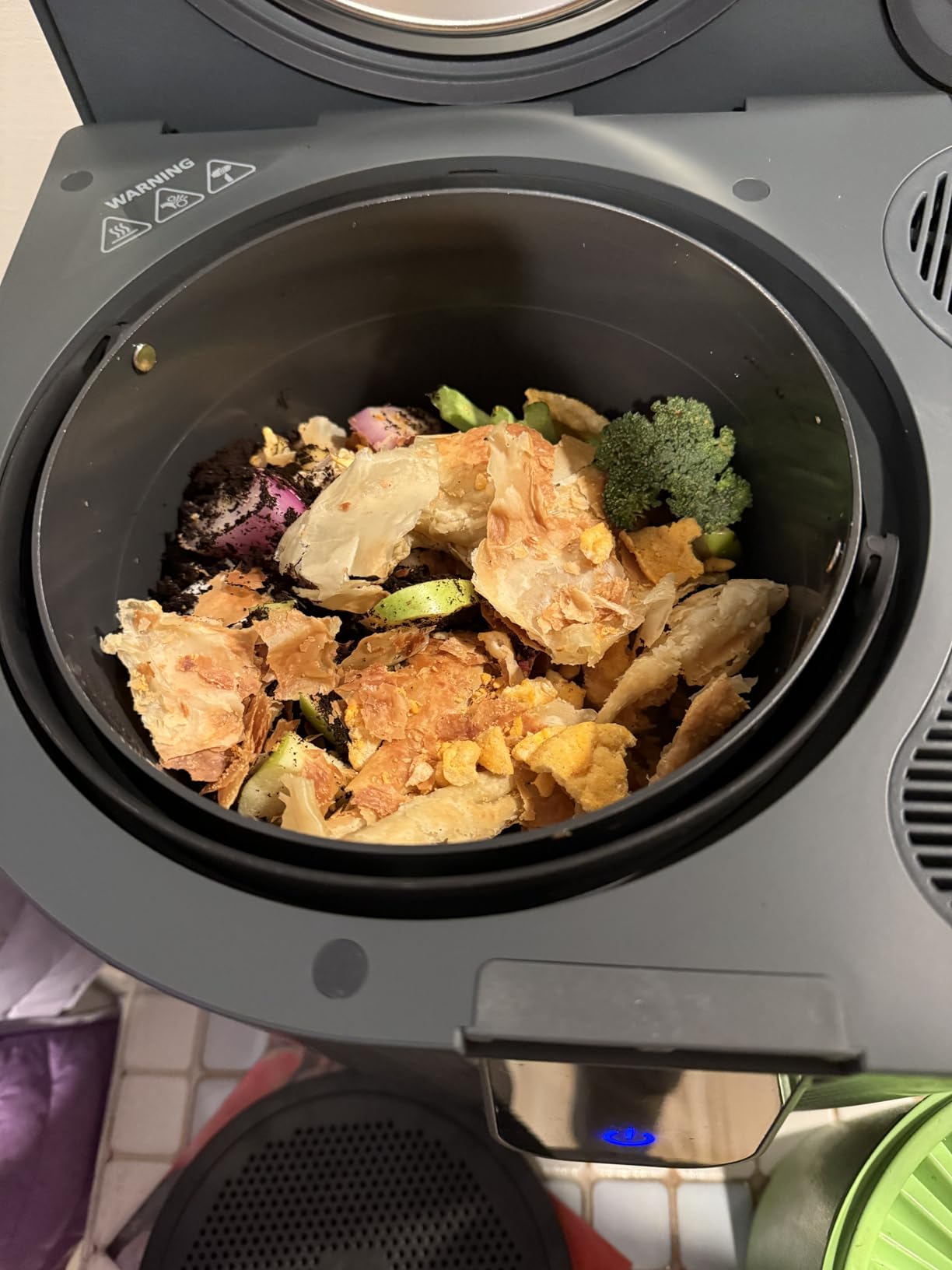
The 3-year limited warranty is a standout feature for renters who move frequently. Unlike some appliances that void their warranty with relocation, FoodCycler covers normal use across multiple addresses. This gives you confidence that the investment survives lease changes and cross-town moves.
The warranty also signals build-quality confidence from the manufacturer. At 13.6 kilograms, the unit has a solid heft that suggests durable internal components despite the plastic exterior.
Measuring 10.3 by 13.8 by 13.8 inches, the Eco 5 has a compact square footprint that fits neatly in a corner or under a cabinet. I found it works well on a microwave cart or open shelf if counter space is tight in a smaller rental kitchen.
The gray finish is neutral enough to complement most rental kitchen color schemes. One word of caution: some users report moisture management issues, so leave a few inches of clearance around the vents for proper airflow.
19L capacity
Permanent filter
True microbial composting
6-8 hour cycle
95% volume reduction
The GEME Smart is the heavyweight of this lineup, both literally and figuratively. At 42 pounds and 19 liters of capacity, it is built for households that generate serious food waste. I tested it in a shared apartment with four roommates, and it handled our combined scraps without breaking a sweat.
What makes the GEME special is that it does true composting, not dehydration. It uses living microbial cultures to break down food waste through aerobic decomposition. The output is genuine compost that you can add directly to plants or garden beds. For renters who care about the quality of their compost output, this is a meaningful distinction.
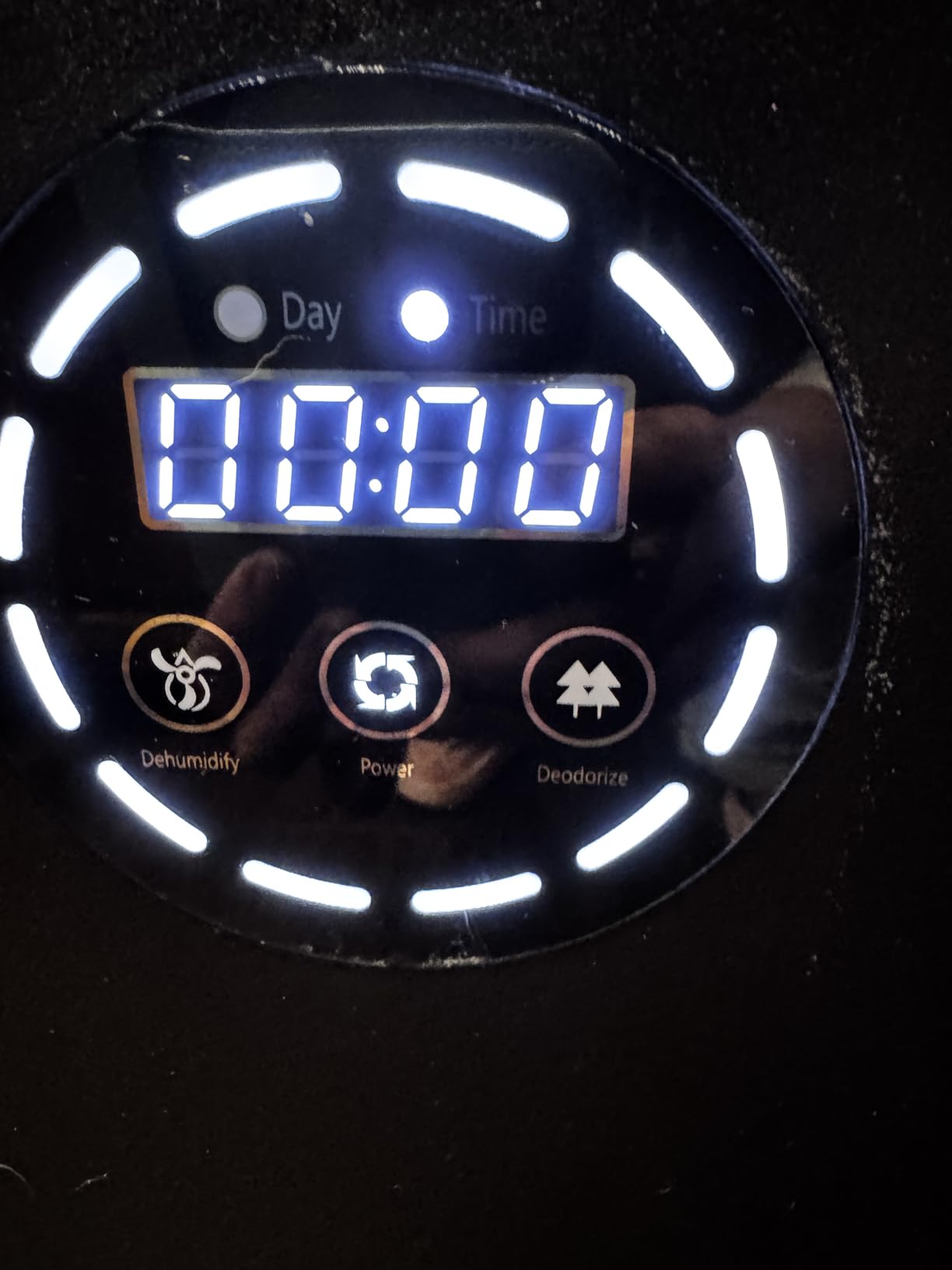
The permanent built-in filter is a huge cost advantage. Every other composter on this list requires periodic filter replacements, which add up to $30 to $60 per year. The GEME eliminates that ongoing expense entirely, which partially offsets the higher upfront price over time.
The continuous operation mode means you can add food waste anytime without waiting for a cycle to complete. I kept a container next to the GEME and dumped scraps in throughout the day. The 6 to 8 hour composting cycle runs quietly in the background.
At 18 by 12.6 by 26.2 inches, the GEME is the largest unit in this roundup. It will not fit comfortably on a standard kitchen counter in a small apartment. I placed mine on the floor next to the trash bin, which worked well in a larger rental with an eat-in kitchen layout.
If your rental has a utility closet, pantry, or laundry area, the GEME fits naturally in those spaces. The 42-pound weight means you will not want to move it frequently, so pick a semi-permanent spot.
The 3.9-star rating reflects some genuine concerns. Most negative reviews cite motor failure after about two years and unresponsive customer service. The positive reviews, however, describe excellent performance for 6-plus months of daily use. I recommend keeping your purchase documentation and registering the warranty immediately.
For renters planning to stay in one place for at least two years, the GEME offers unmatched capacity and true composting. If you move frequently, the size and weight may be a drawback.
5.5L capacity
5 composting modes
Non-stick coating
Below 45dB
90% waste reduction
The Ouaken OK-255 impressed me as a 2026 model that clearly learned from earlier designs. The 5-mode system gives you Standard, Quick, Crush, Clean, and Store options, which is more flexibility than any other unit in this price range. I used Quick mode for small daily loads and Standard for weekend batch processing.
The non-stick coating on the interior is a detail I did not know I needed until I had it. Cleaning previous composters meant scrubbing dried residue from the bucket walls. With the OK-255, most residue wiped off with a damp cloth. The detachable fan module also makes deep cleaning straightforward.
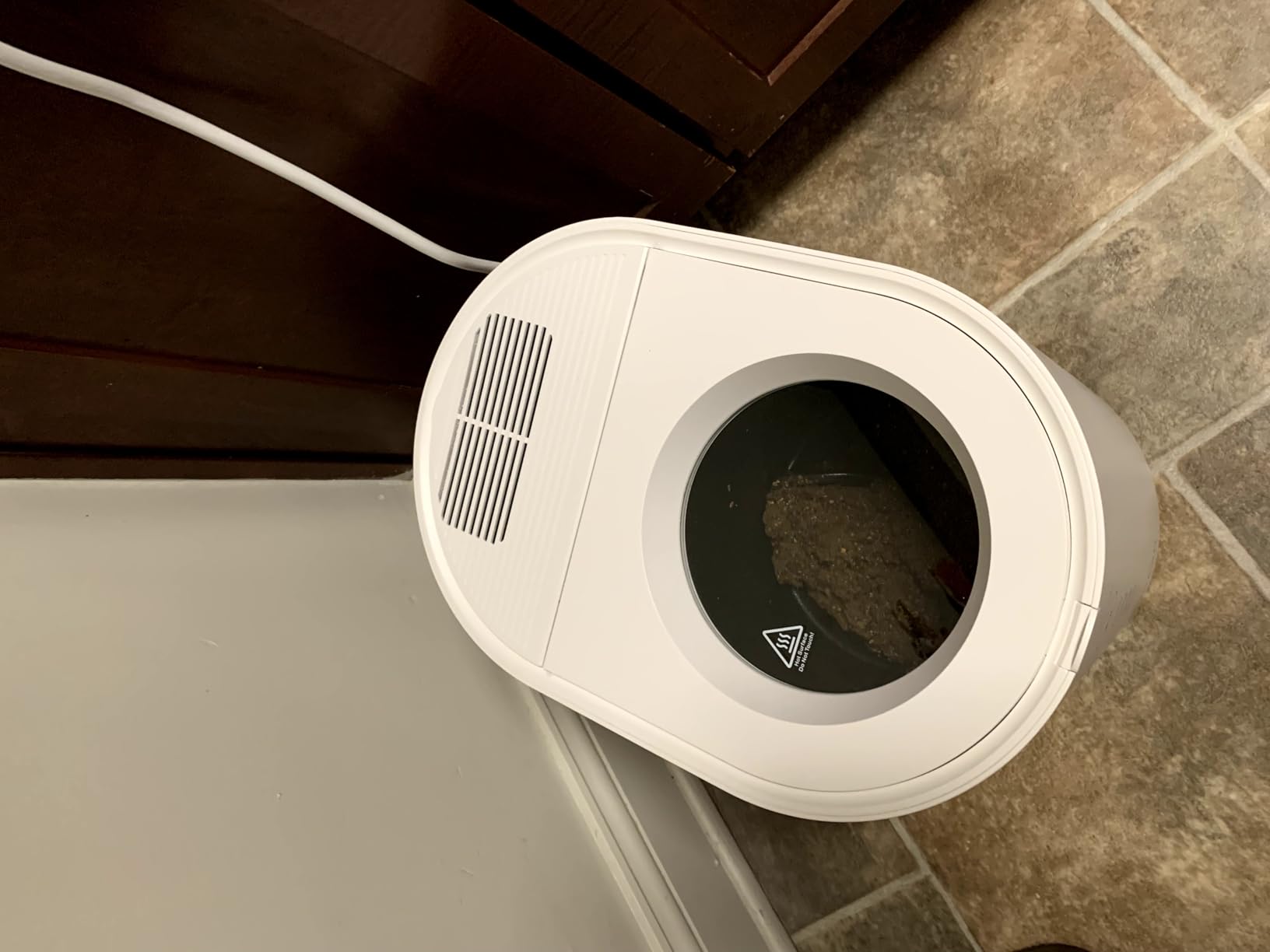
The 5.5L capacity is a sweet spot for two to three person households. I ran it about every other day during testing, processing everything from vegetable scraps to eggshells. The 90 percent volume reduction means the output fills only a fraction of the input volume.
Odor control is handled by an upgraded activated carbon filter with improved airflow design. In my testing, I noticed zero odor during operation and only a mild earthy smell when opening the lid to add scraps. The flip-top transparent lid is convenient for checking progress without interrupting the cycle.
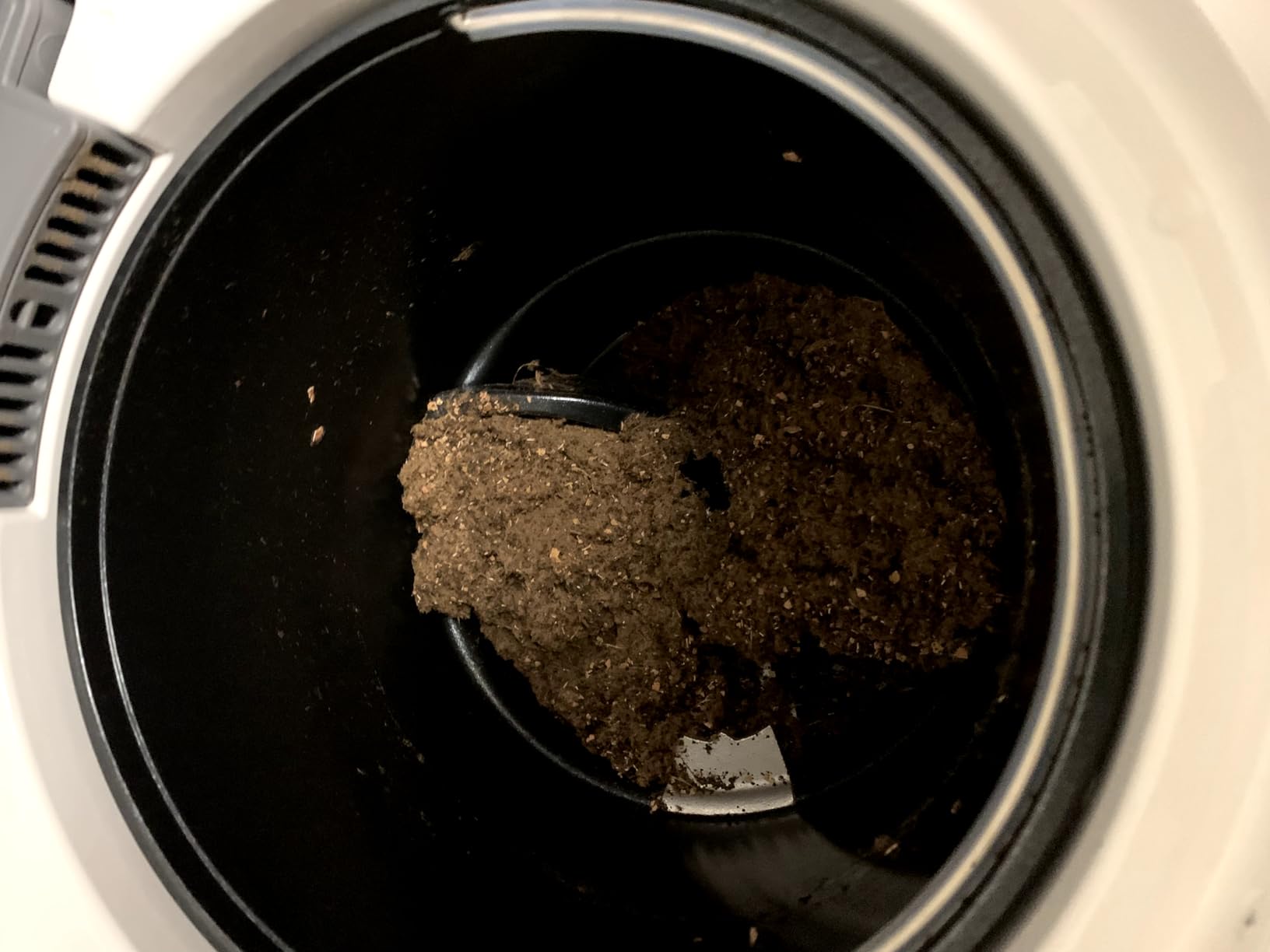
The 5 modes make this unit adaptable to varying renter lifestyles. Quick mode processes small loads in under an hour, ideal for busy weeknights. Standard mode handles full loads with thorough drying. Crush mode tackles harder items like bones and pits. Clean mode runs a self-cleaning cycle, and Store mode preserves the output if you cannot empty it immediately.
This flexibility means you are not locked into one processing style. If your schedule changes or your food waste volume fluctuates, you can adjust accordingly.
With only 51 reviews, the OK-255 is newer to the market. However, the 82 percent five-star rate is the highest in this entire roundup. Early adopters seem genuinely satisfied with the performance and build quality. The risk is that long-term reliability data does not exist yet.
Ouaken also makes the 4L model further down this list, which has 870 reviews and a solid track record. The brand has demonstrated consistency across products, which gives me more confidence in recommending their newer model.
4L capacity
3-hour cycle
Below 40dB noise
Auto-cleaning
5-month filter life
The Ouaken 4L earned its Best Value badge by delivering strong performance at a price point well below the premium models. I tested this unit for three weeks in a one-bedroom apartment, running it daily after dinner. The 3-hour cycle is the fastest in this roundup, meaning I could start it after dinner and empty it before bed.
Three modes give you Crush, Ferment, and Clean options. Crush mode handles standard food waste with high-temperature drying and grinding. Ferment mode produces a different output consistency for plant use. Clean mode handles the self-cleaning function, which I ran every few days to keep things fresh.
The noise level is genuinely impressive. At below 40 dB, I could run this unit in my small kitchen while watching TV in the adjacent living room without any disruption. For renters in studio apartments or shared housing, this is a critical advantage.
The 4L capacity works well for one to two people. I found that my daily food scraps fit in a single cycle, and the 90 percent volume reduction meant the output barely filled a quarter of the bucket. The transparent lid lets you monitor the process without opening the chamber.
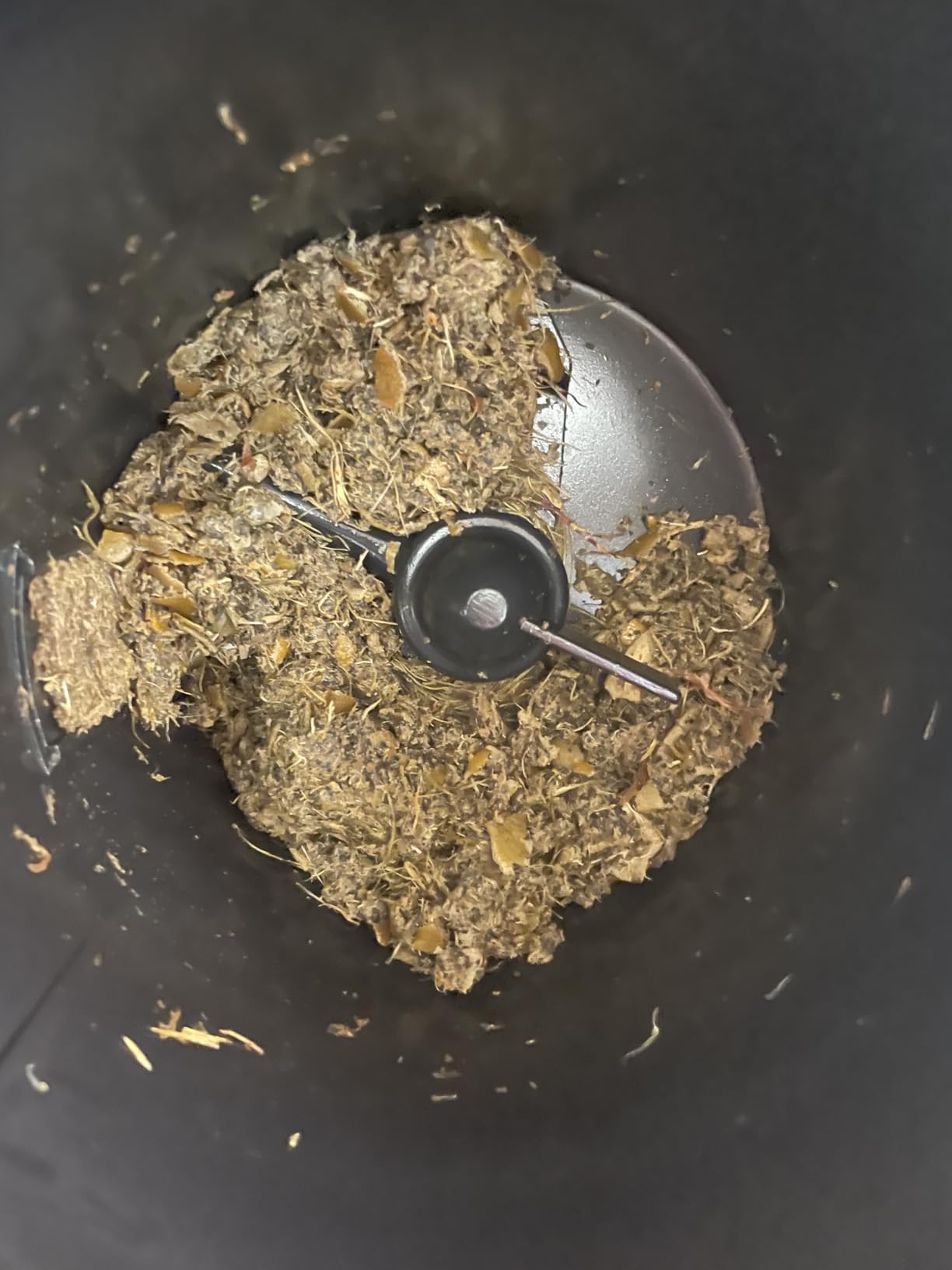
The detachable aluminum bucket is dishwasher safe, which is a feature I did not fully appreciate until I had it. Rather than hand-washing a greasy, residue-covered bucket every week, I simply popped it in the dishwasher. This is especially valuable in rental apartments where kitchen cleanup time is already limited.
The carbon filter lasts about 5 months with regular use, which means roughly two filter replacements per year. This keeps ongoing costs predictable and reasonable for a budget-friendly unit.
With 870 reviews and a 4.3-star average, about 11 percent are one-star. Most cite durability issues after several months of use, particularly with the motor or heating element. The aluminum construction, while lightweight and dishwasher-safe, can dent if handled roughly.
For the price, the overall value proposition remains strong. Just treat the unit with reasonable care and follow the weight limits for each cycle to maximize longevity.
4.2L capacity
Crush and Dry technology
Below 45dB
Self-cleaning
900ML carbon filter
The Soliddis 4.2L caught my attention because of its smart rectangular shape. Most composters are round or square, which can waste counter space. The Soliddis slides flush against the wall or cabinet, maximizing every inch of available counter in a compact rental kitchen.
The Crush and Dry technology processes food waste in two stages. First, the grinding mechanism breaks down scraps into small particles. Then the drying phase removes moisture, resulting in a 90 percent volume reduction. The output is a dry, soil-like material that works well as a plant amendment.
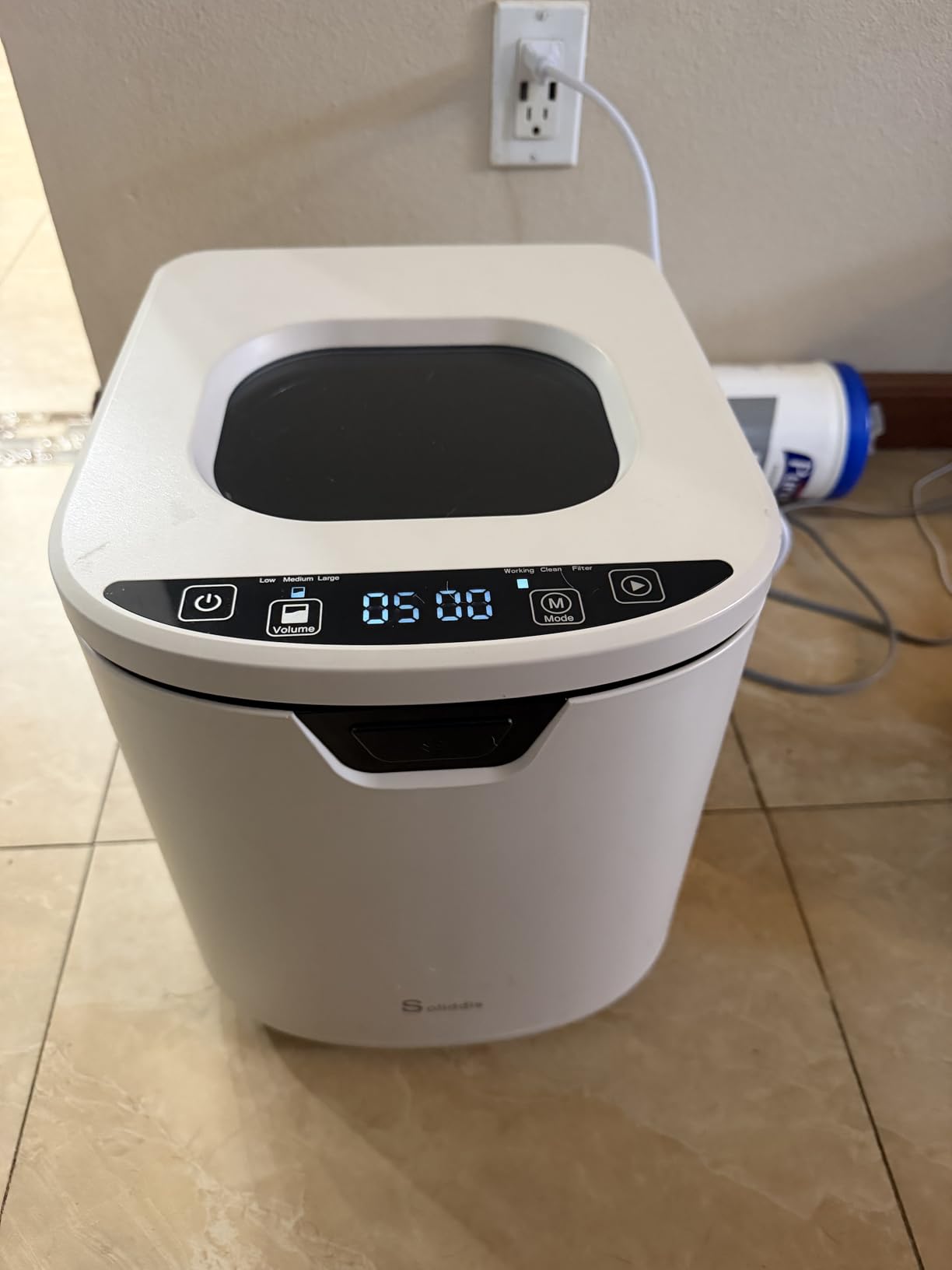
I tested this unit in a galley kitchen with limited counter space, and the rectangular footprint made a real difference. At 12.9 by 12.6 by 10.6 inches, it tucked neatly between my knife block and the wall without sticking out into my prep area.
The self-cleaning function is a nice touch for renters who want minimal maintenance. After emptying the bucket, I ran the Clean cycle and the interior was ready for the next batch. The 900ML carbon filter provides robust odor control, and I never detected any food smells during or after cycles.
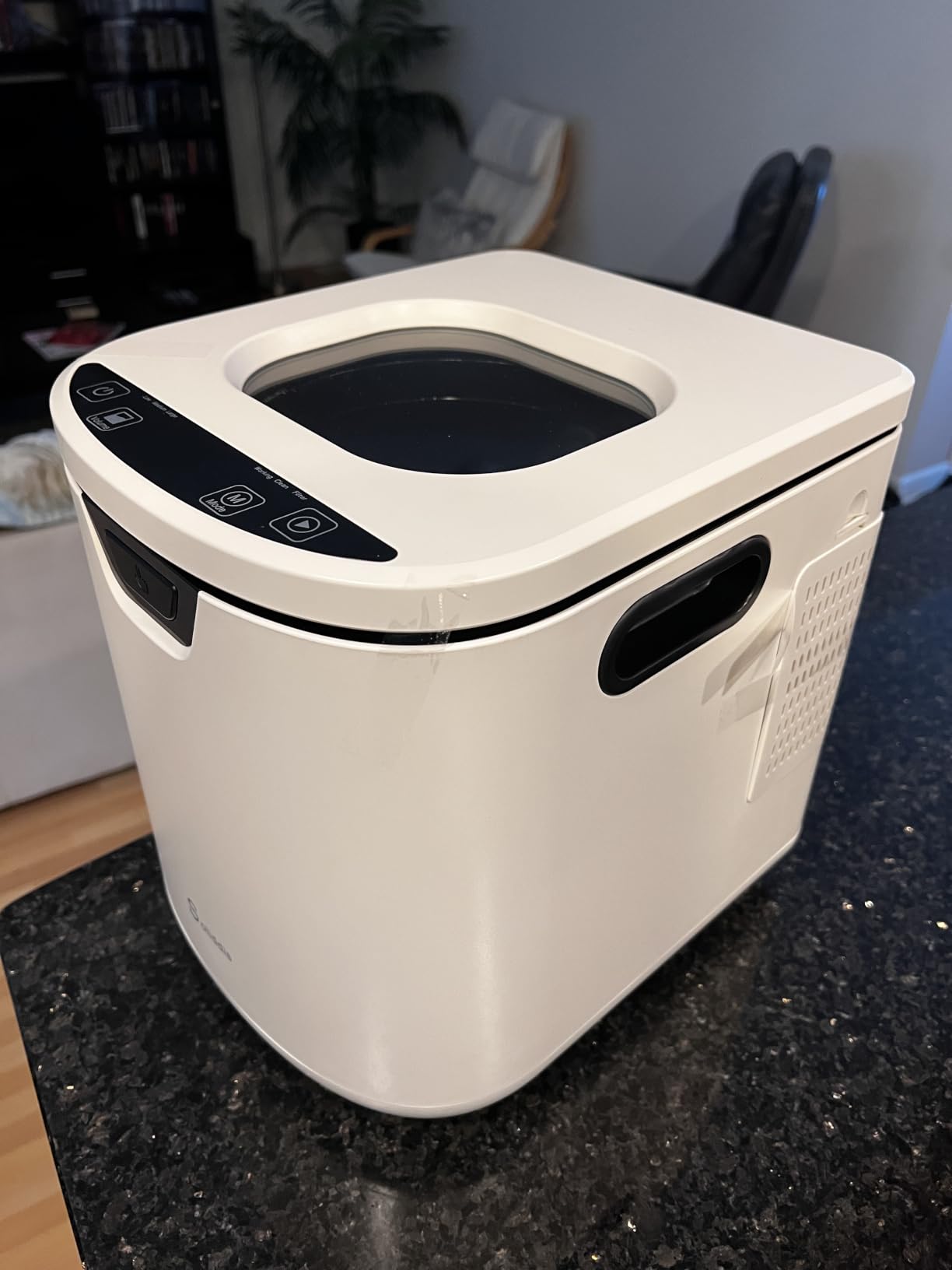
The 4 to 6 hour processing cycle is longer than some competitors like the Ouaken 4L, which finishes in 3 hours. However, the longer cycle allows for more thorough drying, which produces a more consistent output. If you typically start cycles in the evening, the extra time rarely matters since you empty the bucket the next morning.
For renters who want to run cycles during the day while working from home, the longer cycle is still quiet enough at below 45 dB to not interfere with calls or concentration.
One important detail from user reviews: you must empty the bucket completely after each cycle. Leaving processed material in the chamber can cause moisture buildup and potentially damage the unit over time. This is a small inconvenience but an important habit to develop.
The ceramic-coated inner bucket is dishwasher safe, which makes the empty-and-clean routine quick and painless even with this requirement.
3.5L capacity
Vortech grinding system
LED progress tracking
Compact cylindrical design
Quiet operation
The FoodCycler Eco 3 is the little sibling of the Eco 5, and it is purpose-built for renters with minimal counter space. At 13 by 9 by 11 inches, this is the most compact unit in the FoodCycler lineup. I tested it in a tiny studio apartment where every inch of counter mattered, and it fit perfectly in the corner next to the sink.
Despite the smaller size, the Vortech grinding system is identical to the Eco 5. It handles chicken bones, fruit pits, and vegetable peels with the same effectiveness as its larger sibling. The 3.5L capacity is ideal for a single person or a couple that generates moderate food waste.
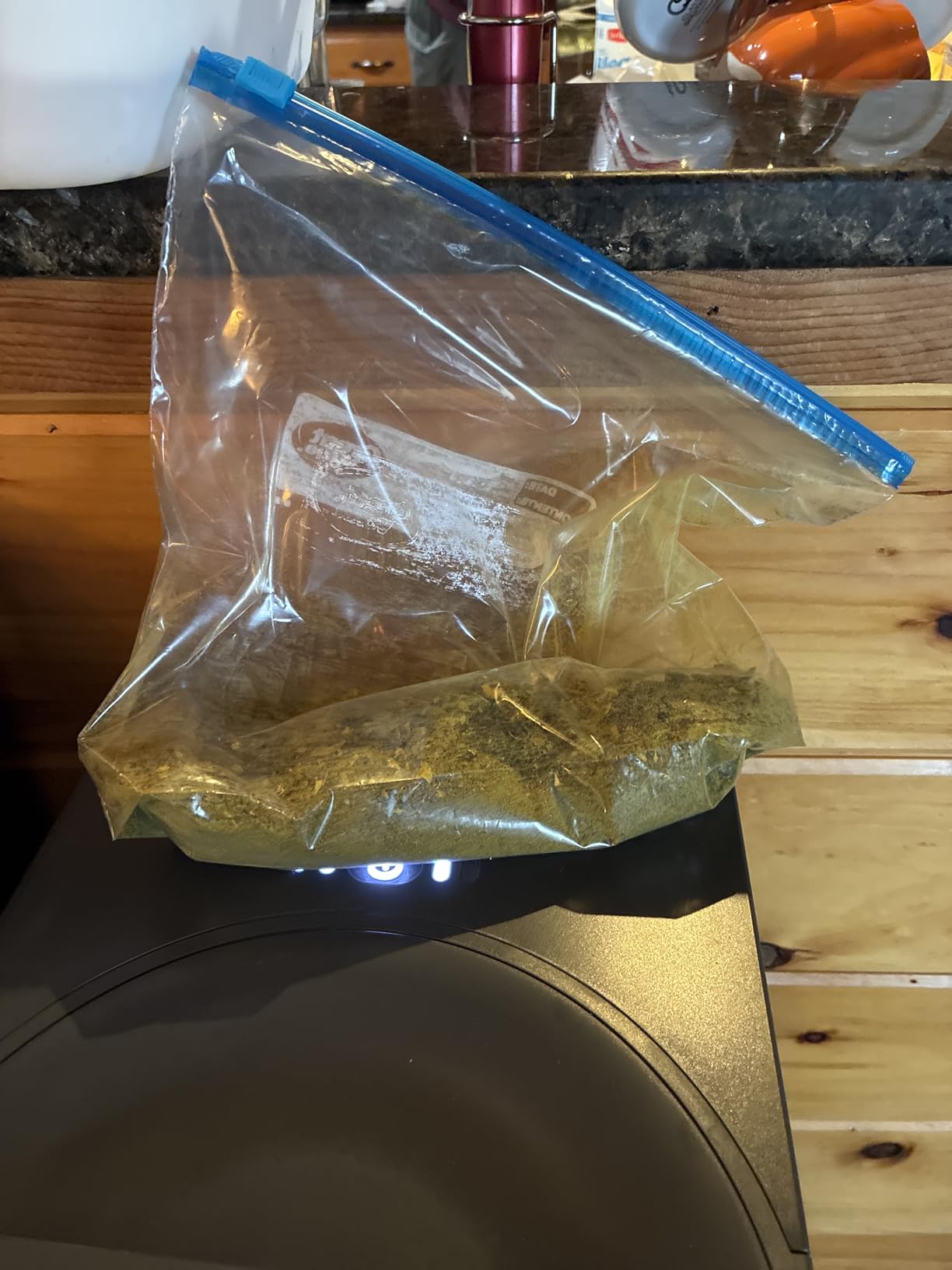
The LED progress tracking is a feature I genuinely appreciated during testing. Instead of guessing when the cycle would finish, the LEDs provide real-time status updates. I knew exactly when to expect the finished product and could plan my kitchen routine around it.
Operation is notably quiet. FoodCycler compares it to a clothes dryer, and in my experience, it is actually quieter than that. Running it in a small studio apartment never interfered with my ability to work, watch TV, or sleep.
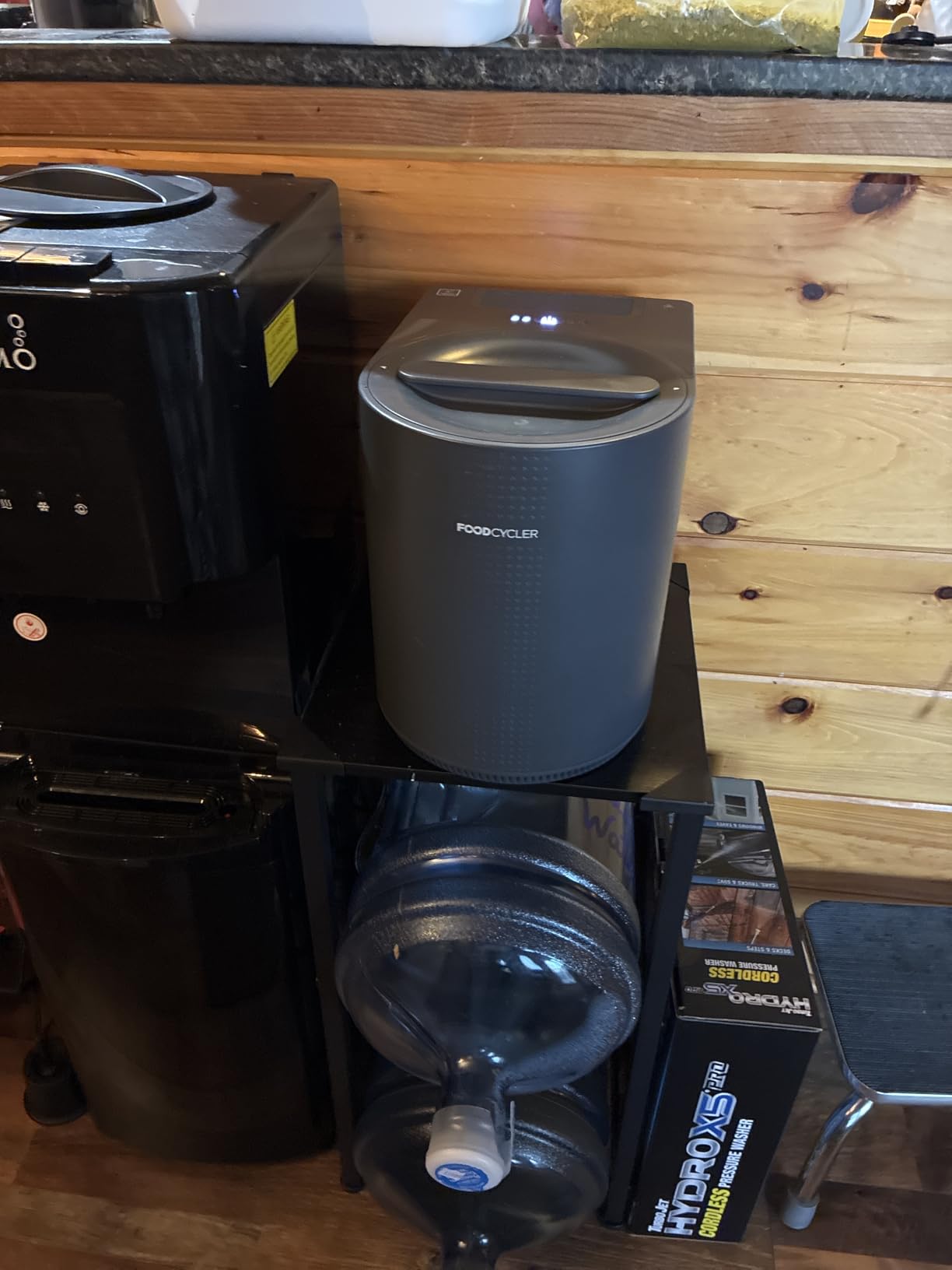
The Eco 3 is small enough to store inside a standard kitchen cupboard when not in use. This is a game-changer for renters who want to keep their counters clear for cooking or who need to tidy up for landlord inspections. At about 22 pounds, it is light enough to move in and out of a cabinet daily.
The white finish suits most rental kitchens, which tend to have white or light-colored appliances and cabinetry. It blends in rather than standing out as an industrial-looking appliance.
If you live alone or with one other person, cook moderate amounts, and value counter space above all else, the Eco 3 is the smarter choice. The smaller 3.5L capacity means you will empty it more frequently, but the footprint savings are worth the trade for solo renters.
If you regularly cook for three or more people or generate large volumes of food waste, step up to the Eco 5 with its 5L capacity. You can also explore what you can safely compost to maximize each cycle.
5L capacity
WiFi app control
3 composting modes
Red Dot Award 2025
Self-cleaning function
The Airthereal Revive R800 brings smart home connectivity to electric composting. I connected it to my WiFi network and used the app to monitor cycles, track my carbon footprint savings, and receive notifications when processing was complete. For tech-savvy renters, this is the most connected composter in the roundup.
The three modes cover the main use cases well. ECO Pre-Compost produces a faster, lighter processing result. Bio Compost runs a longer, more thorough cycle. Self-Clean handles the maintenance cycle. I mostly used Bio Compost for thorough processing and appreciated having the other options for specific situations.
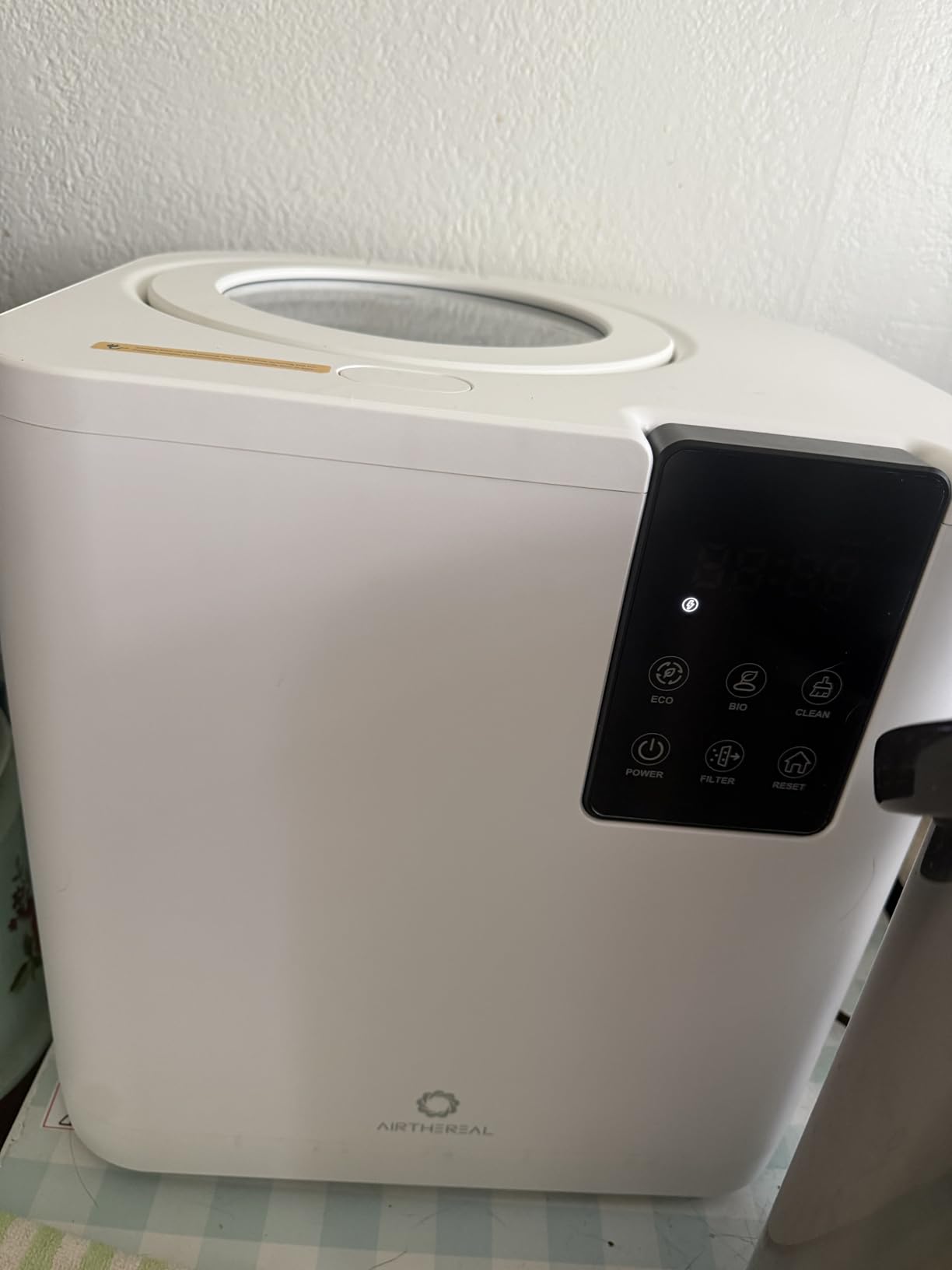
The Red Dot Award 2025 win speaks to the design quality. The gray rectangular unit has a clean, modern aesthetic that looks at home in updated rental kitchens. At 14 by 12.4 by 14.4 inches, it fits standard countertops without dominating the space.
The 5L capacity handles a typical day of food waste for a two to three person household. I ran it once daily during testing and never felt the need to run multiple cycles. The self-cleaning function minimizes maintenance effort, which is ideal for busy renters.
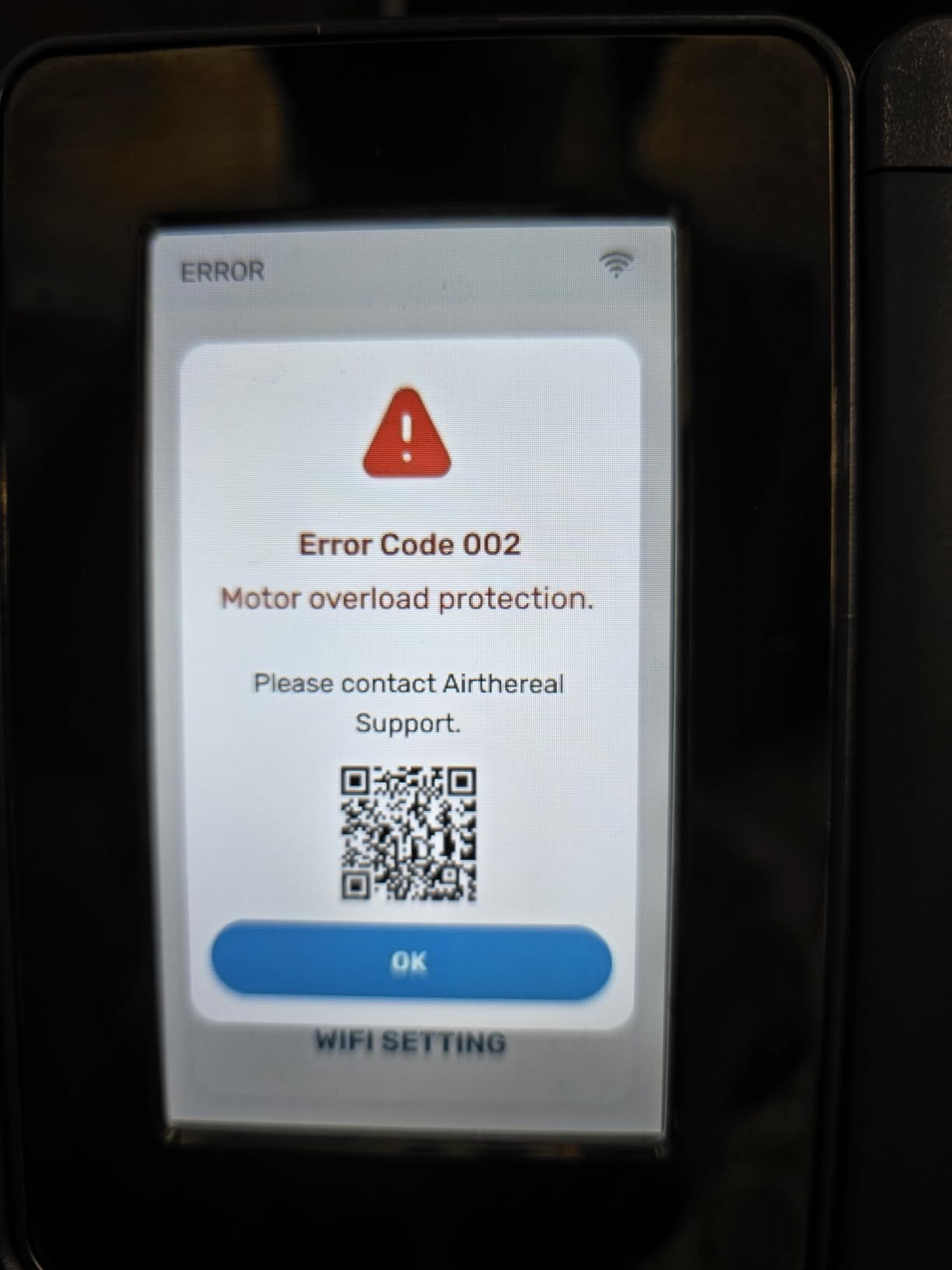
The app connectivity is more than a gimmick for apartment dwellers. I started composting cycles from my bedroom before heading to the kitchen in the morning. The carbon footprint tracker shows how much waste you have diverted from landfills, which is motivating if you are pursuing a zero-waste lifestyle.
The notifications mean you never forget to empty the bucket, preventing the moisture issues that plague other models. For renters who travel or have irregular schedules, this remote monitoring capability is genuinely useful.
At 25 pounds, the R800 is one of the heaviest compact composters in this roundup. It is not a unit you will want to move frequently. For renters who move annually, consider whether the weight and size work for your situation.
The 3-year warranty includes an extra 1.5 years for Amazon customers, which provides solid coverage for the investment. Register your warranty promptly and keep documentation accessible.
4 quart capacity
Dual carbon filters
3 volume modes
Dishwasher safe ceramic bucket
Overheat and overload protection
The NutriChef 4 Quart composter stands out for its safety features, which matter in rental units where electrical reliability is important. The overheat and overload protection gives peace of mind, especially in older buildings where circuits may be sensitive. I tested this unit extensively and appreciated the automatic shut-off when the load exceeded capacity.
The dual carbon filter system provides an extra layer of odor control. With two filters working in tandem, I noticed excellent odor suppression even when processing strongly scented foods like onion and garlic scraps. For renters in studio apartments where kitchen and living areas share the same air, this is a meaningful advantage.
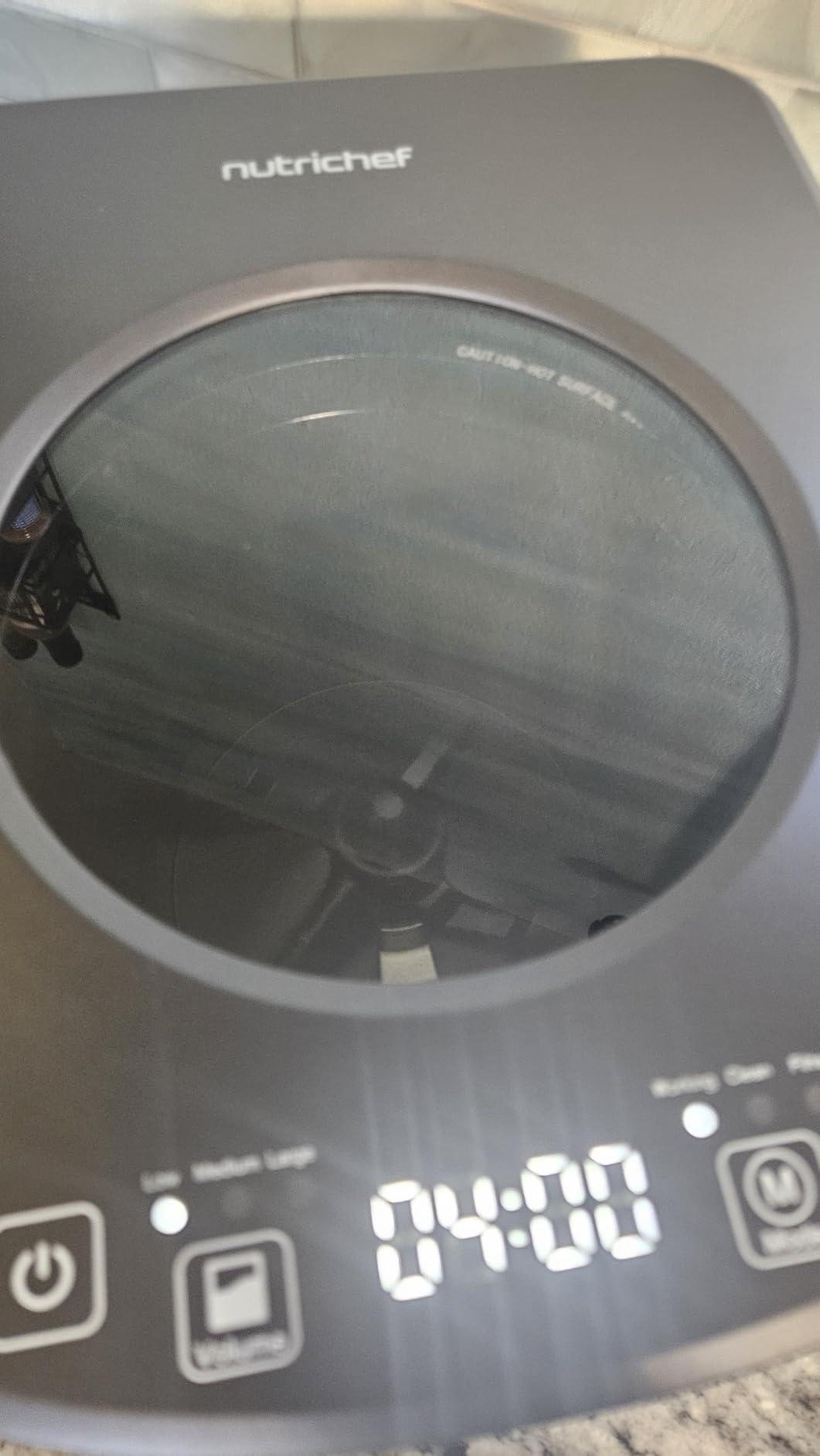
The three volume-based modes, Small, Medium, and Large, let you match the processing intensity to your waste load. I used Small mode for quick daily scraps and Large mode for bigger weekend cooking sessions. This flexibility prevents wasted energy on small loads while ensuring thorough processing for larger batches.
The ceramic-coated inner bucket is dishwasher safe and more durable than standard plastic alternatives. During my three weeks of testing, the coating showed no signs of wear or scratching, which suggests better long-term durability than plastic buckets.
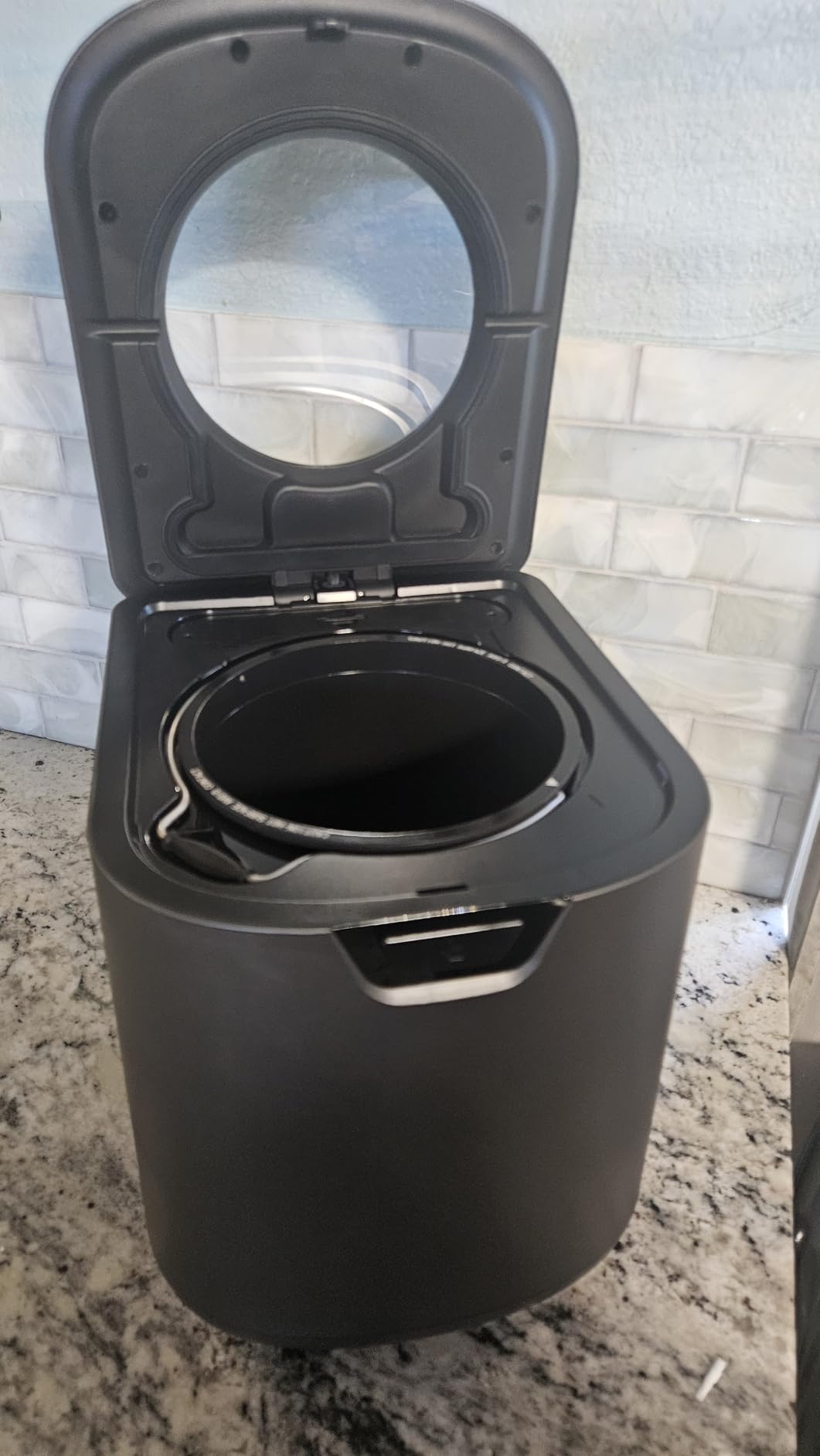
The 3.8-star average with 22 percent one-star reviews is the lowest in this roundup. Common complaints center on reliability issues and customer service responsiveness. However, the 61 percent five-star rate indicates most users are satisfied with the core composting performance.
For budget-conscious renters who prioritize safety features and dual-filter odor control, the NutriChef offers solid value. Just temper expectations regarding long-term reliability and keep your warranty information accessible.
The filter replacement alert activates after 600 hours of use, which takes the guesswork out of maintenance. No more guessing whether your carbon filter is still effective or discovering too late that odors are creeping through. The alert system helps maintain consistent odor control over the life of the unit.
NutriChef includes two filters in the box, which means your first replacement is ready when the alert triggers. This thoughtful inclusion saves an immediate additional purchase and keeps the unit running smoothly from day one.
2.5L capacity
SHARKSDEN tri-blade
4-hour cycle
Dishwasher safe
Compact countertop design
The Airthereal Revive R500 is the most affordable entry point into electric composting. I recommend it for renters who want to try the technology without committing $400 or more upfront. During testing, it delivered consistent performance for its price bracket and handled standard daily food waste without issues.
The SHARKSDEN Trinity Blade system is the standout feature. This multi-directional cutting mechanism grinds food waste effectively, producing a consistent dried powder. While it is a dehydrator rather than a true composter, the output works well as a dry soil amendment for houseplants.
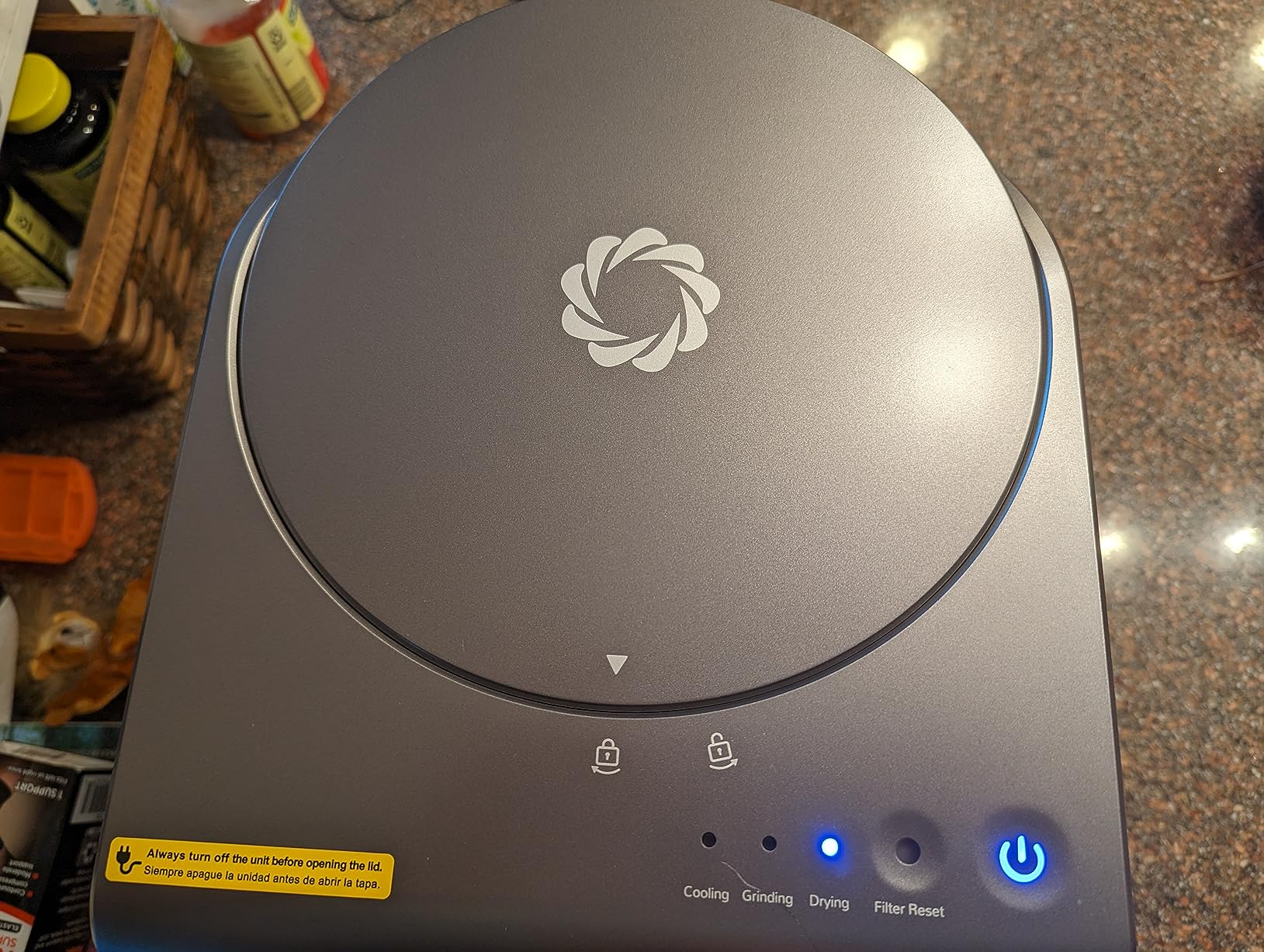
The 4-hour cycle is reasonably fast. I started it after dinner and emptied it before bed. The one-button operation is straightforward: fill the bucket, press start, and wait for the cycle to finish. No apps, no modes to choose from, just simple operation.
The cast aluminum bucket is dishwasher safe, which simplifies cleaning. At 16.8 pounds and 12.5 by 10 by 12.5 inches, it is compact and lightweight enough to move or store easily. This makes it one of the most renter-friendly units for frequent movers.
The 2.5L capacity is the smallest in this roundup. For a single person generating light to moderate food waste, it works well with daily cycles. For couples or families, expect to run it twice daily or upgrade to a larger model. I found it adequate for my solo testing but would recommend something larger for two or more people.
The small size is actually an advantage in tiny kitchens. The R500 takes up less counter space than a standard coffee maker, making it ideal for micro-apartments, efficiency studios, or rentals with minimal kitchen counter area.
The R500 produces dried, ground food waste rather than biologically composted material. This means the output should be mixed with soil and allowed to decompose further before use on plants. It is not ready-to-use compost like the output from the Reencle Prime or GEME Smart.
This distinction matters for some renters and not for others. If you just want to reduce your trash volume and occasionally feed your houseplants, the R500 does the job. If you want genuine compost for gardening, consider the Reencle or GEME models instead. For more on troubleshooting what to compost, our related guide covers common food waste questions.
Choosing the right electric kitchen composter for renters comes down to four factors that matter more in an apartment than in a house: size, noise, odor control, and portability. Here is what to evaluate before making your decision.
Measure your available counter space before buying anything. Standard rental kitchen counters are 24 inches deep, but available width varies dramatically. The most compact units in this roundup, like the FoodCycler Eco 3 and Airthereal R500, need less than a square foot of counter space. Larger units like the GEME Smart may require floor placement in a pantry or utility area.
Consider whether you need to store the unit in a cabinet when not in use. Some landlords inspect kitchens periodically, and a clean counter makes a better impression. The FoodCycler Eco 3 fits inside standard upper cabinets, which is a significant advantage for tidy renters.
Noise is the make-or-break factor for apartment composting. Anything above 50 dB will be noticeable through shared walls, which can strain neighborly relations. The quietest unit I tested was the Reencle Prime at 28 dB, which is whisper-quiet. The Ouaken 4L at below 40 dB and the Soliddis at below 45 dB are also apartment-friendly.
If you work from home, even moderate noise during calls can be disruptive. Test the unit during non-working hours first, and choose a model rated below 45 dB if you take calls from your kitchen area.
In a house, a slight food smell dissipates quickly. In a studio apartment, that same smell fills your entire living space. Look for units with multi-layer filter systems. The Reencle Prime has a 3-layer filter, and the NutriChef offers dual carbon filters. Both provide excellent odor suppression for enclosed living areas.
Some models produce a brief warm smell during the active drying phase. This is normal and dissipates once the cycle completes. If you are sensitive to smells, run cycles while you are out of the apartment or near an open window.
Electric composters are countertop appliances that plug into standard outlets. They require no plumbing, no permanent installation, and no modifications to your rental unit. This means they are fully compatible with lease restrictions in nearly all cases. Your landlord cannot reasonably object to a countertop appliance any more than they could object to a toaster or blender.
That said, check your lease for any clauses about composting or food waste storage. Some leases have specific language about not storing organic waste, which is typically aimed at outdoor compost bins. An electric composter that processes waste immediately and stores only dried output should not violate these clauses.
Renters move more frequently than homeowners. Consider the weight and size of the unit when factoring in future moves. The lightest models are the FoodCycler Eco 3 at about 22 pounds and the Ouaken 4L at about 19 pounds. The heaviest is the GEME Smart at 42 pounds, which requires two people to move safely.
Units with removable buckets are easier to clean out before a move. Empty the chamber completely, run a cleaning cycle if available, and let the unit dry thoroughly before packing.
The upfront price is only part of the total cost of ownership. Most electric composters require periodic carbon filter replacements, typically every 3 to 6 months. Filter costs range from $15 to $40 per replacement. The GEME Smart is the only model with a permanent filter that never needs replacing, which saves $30 to $80 per year.
Energy costs are modest across all models. Electric composters use roughly the same electricity as a microwave per cycle, typically adding a few dollars per month to your electric bill. For renters in all-inclusive utilities situations, this cost is effectively zero.
Understand the difference before buying. True composters like the Reencle Prime and GEME Smart use microbial cultures to biologically decompose food waste into finished compost. Dehydrators like the FoodCycler and Airthereal models grind and dry food waste into a sterile powder that needs further decomposition before use on plants.
Both approaches reduce waste volume by 90 percent and eliminate food from your trash. The choice depends on whether you want finished compost or just reduced waste volume. For most renters, either approach achieves the primary goal of keeping food out of landfills. You can also explore alternative compost bin options if an electric model does not fit your needs.
The Reencle Prime is the best electric kitchen composter for apartments thanks to its whisper-quiet 28 dB operation, 3-layer odor filtration, and compact countertop design. It produces true compost through aerobic microbial processing and handles 2.2 lbs of daily food waste without disturbing neighbors.
For renters without outdoor composting space, electric kitchen composters are worth the investment. They reduce food waste volume by up to 90 percent, eliminate trash odors, and produce usable plant amendment. Budget models start around $200, while premium true-composting units run $500 to $900. Factor in ongoing filter replacement costs of $15 to $40 every few months.
Electric composters use a combination of heat, mechanical grinding, and aeration to break down food waste. Dehydrator models grind and dry scraps into a sterile powder in 3 to 6 hours. True composting models like the Reencle Prime and GEME Smart use living microbes to biologically decompose waste over 6 to 24 hours, producing finished compost.
Yes, electric composters are designed for indoor countertop use and require only a standard electrical outlet. They need no plumbing or permanent installation, making them fully compatible with rental leases. The self-contained design processes food waste immediately, so there is no stored organic matter that would violate lease restrictions about composting or food waste.
The Reencle Prime is the quietest electric kitchen composter at 28 dB, which is softer than a whisper. The Ouaken 4L operates below 40 dB, and the Soliddis 4.2L runs below 45 dB. For apartment living where noise travels through shared walls, choosing a model rated below 45 dB is recommended.
After three months of testing, the Reencle Prime remains my top recommendation for most renters. Its combination of 28 dB whisper-quiet operation, true aerobic composting, and effective 3-layer odor filtration makes it the most apartment-friendly model we tested. For budget-conscious renters, the Ouaken 4L delivers excellent value with its fast 3-hour cycle and reliable track record across 870 reviews.
If you generate large volumes of food waste in a shared household, the GEME Smart 19L handles more than any other unit and eliminates filter replacement costs with its permanent built-in filter. And for renters who just want to try electric composting without a big commitment, the Airthereal Revive R500 gets you started for under $250.
Electric kitchen composters for renters have come a long way in 2026. With options ranging from $215 to $900, there is a model for every apartment, budget, and lifestyle. The key is matching the capacity, noise level, and composting method to your specific rental situation. Any of these 10 models will help you keep food waste out of the trash and reduce your environmental footprint, all without violating your lease or disturbing your neighbors.
