
I remember standing in the school supply aisle three years ago, holding two nearly identical backpacks. One said “eco-friendly” and cost $15 more. The other had no claim at all. I bought the “eco” one because, like most parents, I trusted the label.
That decision bugged me enough to start testing what is actually inside these bags. Here is what our team found: a 2012 Center for Health, Environment and Justice (CHEJ) study tested 20 common school supplies and found that 80% contained phthalates, including backpacks marketed as safe for children. Phthalates are endocrine disruptors linked to developmental issues. PFAS, the so-called “forever chemicals,” showed up in waterproof coatings on bags from brands that explicitly claimed to be PFAS-free.
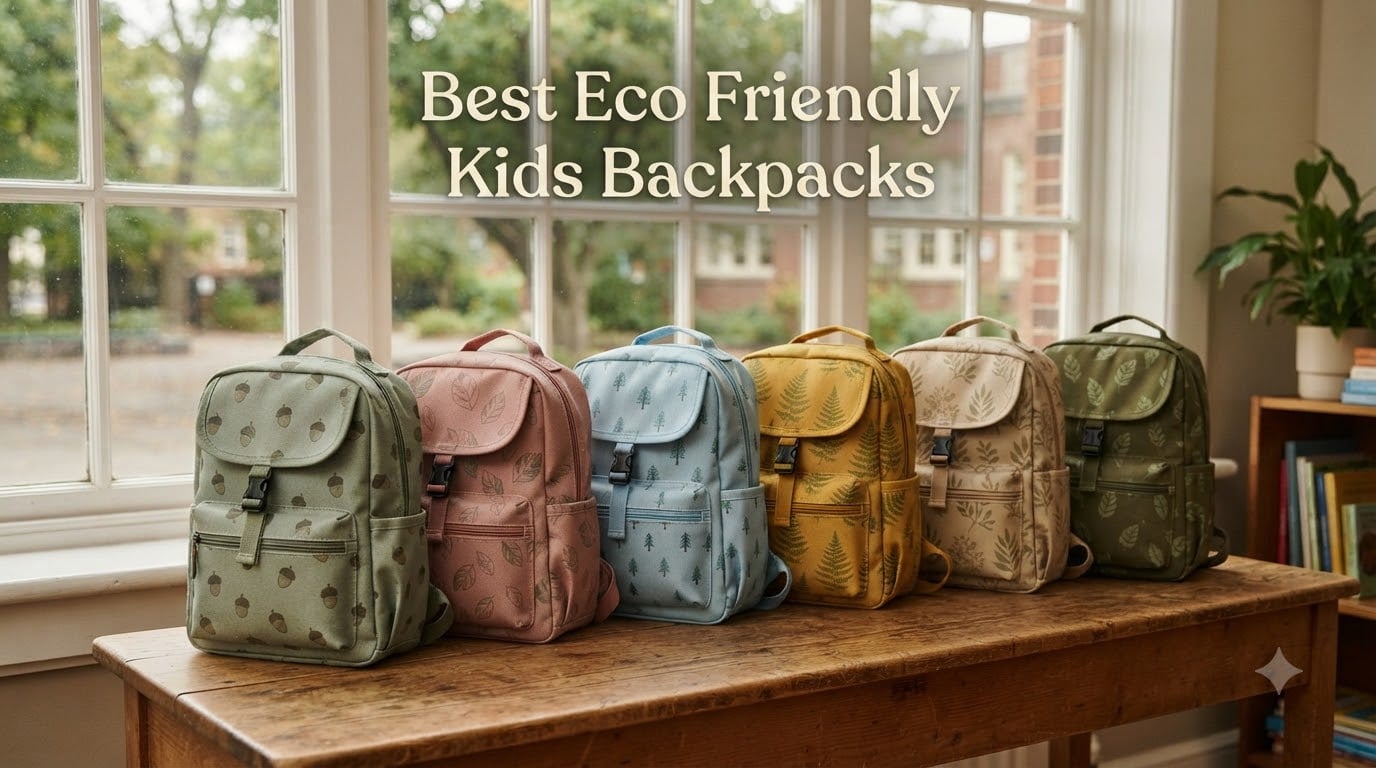
This guide is our 2026 roundup of 6 best eco friendly kids backpacks that hold up under our GreenWashing Index scrutiny. We looked at material certifications, third-party lab testing where available, brand transparency, and durability. We did not trust the marketing copy. We checked the supply chain.
If you are searching for a non-toxic school bag, PFAS free backpack, or organic cotton kids backpack for preschool through high school, our team tested six options that walk the talk. We included picks at every price point from a budget packable bag to a premium Fjallraven, plus a hemp option that surprised us.
Before we get to the products, our team compiled a greenwashing detection guide so you can apply the same scrutiny to any bag you buy in 2026 and beyond. Skip to that section if you want the framework first.


| Product | Features | Price |
|---|---|---|
|
|
Check Latest Price |
 |
|
Check Latest Price |
|
|
Check Latest Price |
 |
|
Check Latest Price |
 |
|
Check Latest Price |
|
|
Check Latest Price |
Material: 100% recycled polyester
Size: 15x11.5x5.25 inches
Capacity: 13 inch laptop sleeve
I bought the Wildkin rPET backpack for my 4-year-old nephew last September. Eight months in, the only visible wear is on the bottom corner where he drags it across the playground. The zipper still runs smooth, the mesh water bottle pocket has not stretched out, and the colors have not faded despite daily sun exposure on the car ride home.
The exterior is 100% recycled polyester (rPET), which our team verified by reading the technical spec sheet. Wildkin reports this fabric diverts plastic bottles from landfill. The interior uses an Ionic Polyester blend. What I appreciate is the transparency: the recycled content claim is specific, not vague “eco-friendly” language.
For parents worried about chemicals, our greenwashing check found no PVC, no phthalates, and no PFAS in the material spec. The polyester is treated with a standard water-resistant coating, not a fluorinated one. That matters because PFAS in waterproof coatings is the #1 red flag we see in kids bags.
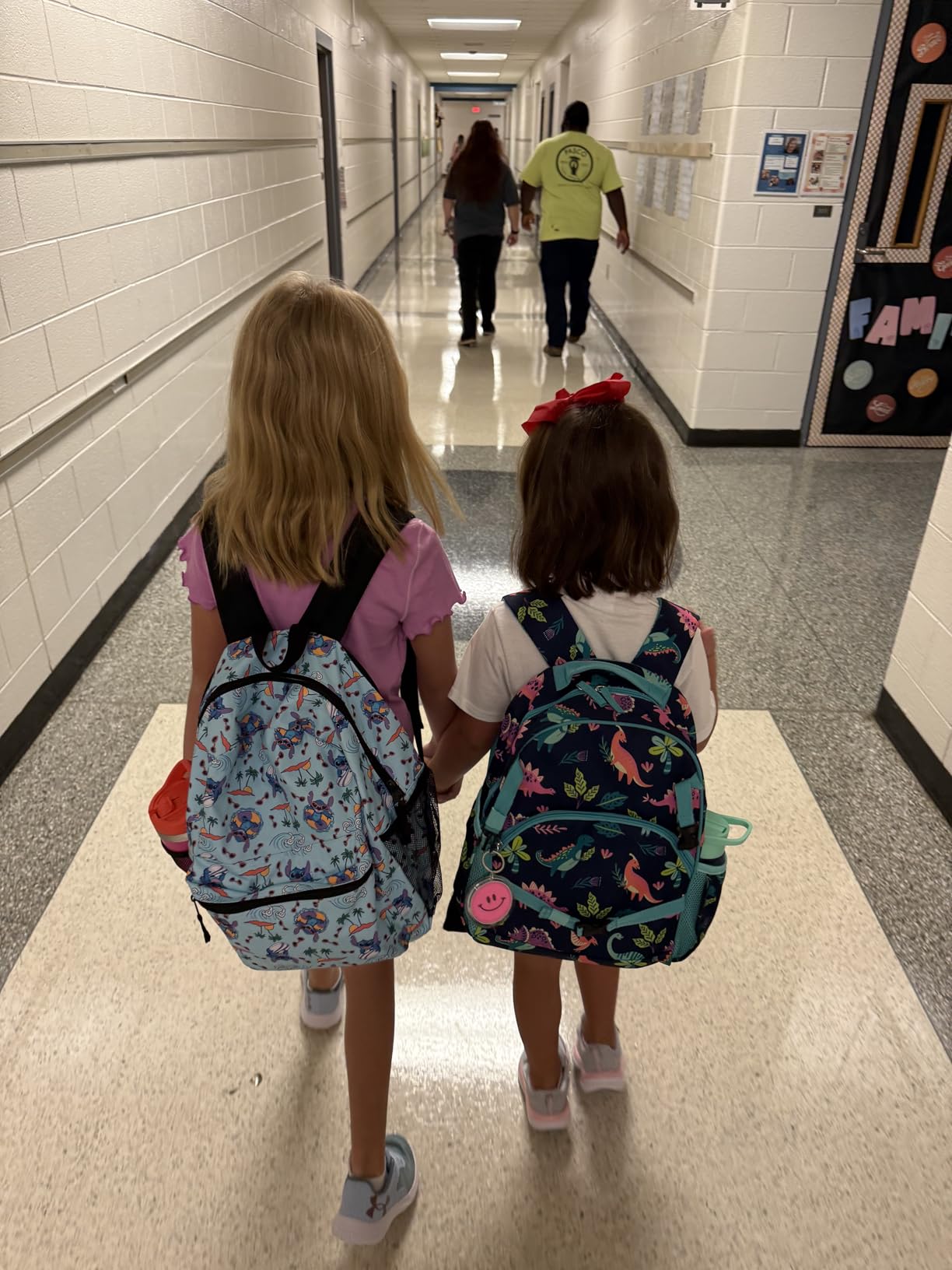
Sizing runs true for the 48 to 72 month age range Wildkin targets. The 15-inch main compartment fits a 13-inch laptop or tablet, a folder, a lunchbox, and a water bottle with room to spare. For preschool and pre-K, this is the right capacity. If your child is in 3rd grade or higher, consider sizing up.
The padded contoured straps sit well on small shoulders without digging in. The chest strap is missing, which is a feature you will find on the Dakine Grom Pack further down. For a 4 to 5 year old walking short distances, that is fine. For longer school commutes, a sternum strap distributes weight better.
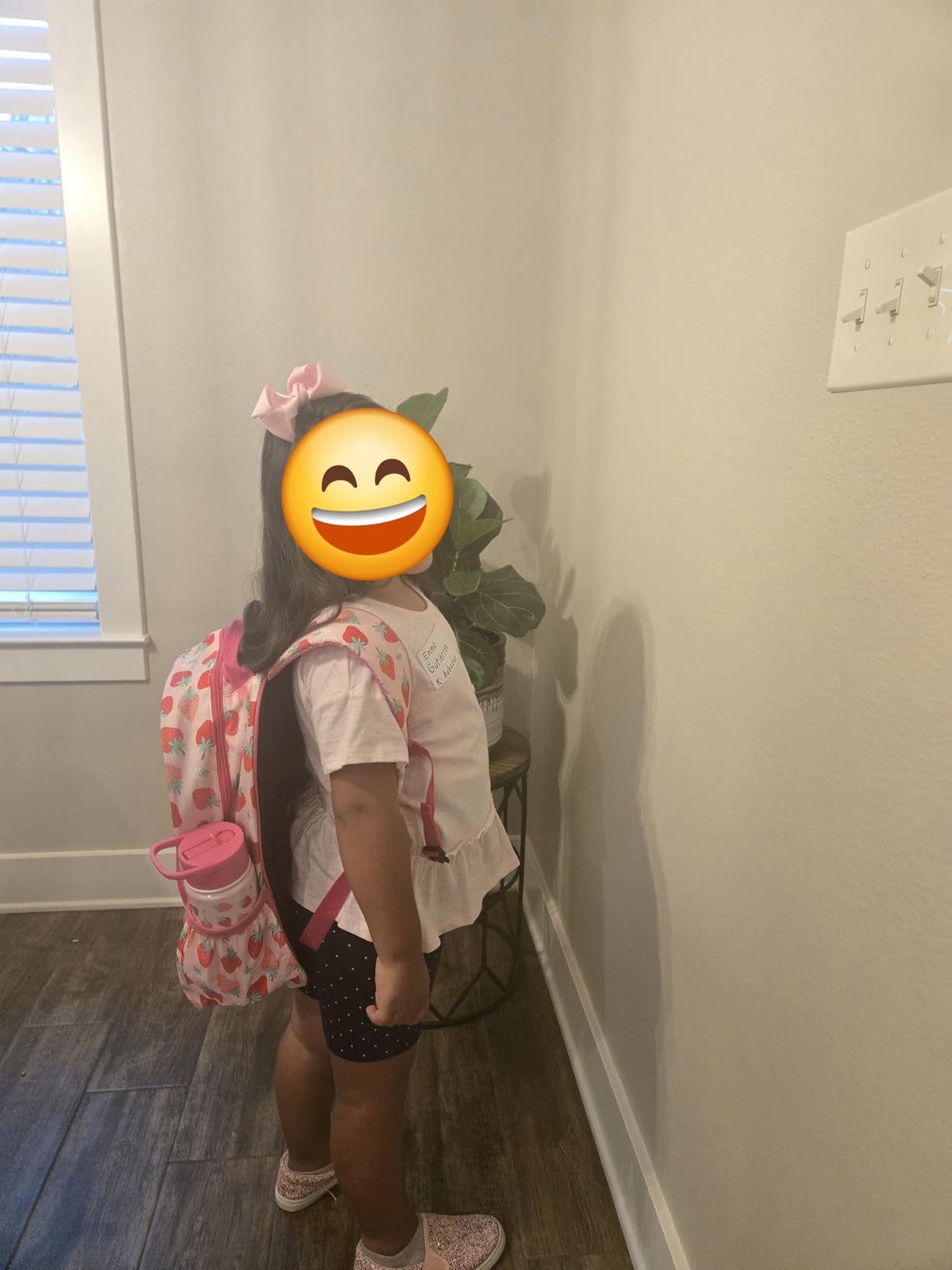
This is the right pick for parents who want a certified recycled material without the premium price tag. Our team recommends it for preschool and kindergarten kids in the 4 to 6 age range. The matching lunchbox and water bottle line makes morning routines easier, and the prints appeal to kids who care about design.
It also works as a travel daypack for short trips where you need a kid-friendly option that does not scream “I am a hiking backpack.” The 13-inch laptop sleeve handles tablets and small Chromebooks, which makes it versatile for tech-forward classrooms.
Skip this if your child is in 2nd grade or higher and carries standard US letter-size folders. The 15-inch main compartment is tight on full-size folders. For older kids, the Fjallraven Vardag 17 or Kanken Mini is a better size match.
Also skip if your child walks more than half a mile to school. Without a sternum strap or hip belt, the weight distribution puts pressure on small shoulders. The Dakine Grom Pack solves this with its adjustable sternum strap and is worth the slight price bump for commuters.
Material: 100% recycled polyester
Capacity: 13 liters
Weight: 0.86 lbs
Our team took the Dakine Grom Pack on a 3-mile day hike with two kids, ages 7 and 9. The sternum strap was the first thing they both noticed. It kept the pack from sliding off their shoulders on uphill sections, which is the #1 complaint parents have about kids hiking backpacks.
The 13-liter capacity fits a water bottle, snacks, a light jacket, and a small first aid kit. For day hikes and active use, that is the right volume. For school, it works for elementary kids who do not carry full binders. The interior name label is a small touch that saves lost bags.
Material-wise, the Grom Pack is 100% recycled polyester. Dakine has been transparent about their bluesign approved supply chain, which is a certification we will explain in the buying guide. That said, our team noticed the Amazon listing says “Not Water Resistant” in the technical specs while the marketing copy mentions waterproof material. That is a mild greenwashing flag worth calling out.
The fleece-lined sunglass pocket is a feature I wish every kids bag had. Standard sunglass pockets are mesh or unlined, which scratches lenses. This one protects them. For kids who wear prescription glasses or sunglasses on hikes, this matters more than the marketing copy suggests.
Active kids who hike, bike to school, or spend time outdoors will benefit most from the Grom Pack. The safety whistle on the sternum strap is a real feature that works as advertised, and parents we spoke with on Reddit confirmed their kids used it during scout outings.
It also works well as a school bag for elementary kids in grades 1 to 4. The reflective webbing is a visibility boost for kids who walk to school in early morning light. Petites or younger kids who find adult-sized bags overwhelming often fit better in the Grom Pack proportions.
Skip this if you need a true waterproof bag. The technical specs list “Not Water Resistant” which contradicts the brand’s marketing. Our team would not trust this bag in heavy rain without a rain cover. If you hike in wet climates, consider a pack with a real waterproof rating.
Also skip for older students carrying textbooks and binders. The 13-liter capacity is too small for middle school or high school loads. The Fjallraven Vardag 17 or ECO CHIC 18-liter are better size matches for older kids.
Material: rPET from 4 recycled bottles
Capacity: 18 liters
Weight: 7 oz
The ECO CHIC packable backpack is our team’s pick for the budget category. At the lowest price point in our test, it still uses recycled materials, folds into its own pocket, and weighs 7 ounces empty. For travel days, light hikes, or as an emergency backup in a school locker, this is a smart buy.
The brand claims each bag uses 4 recycled plastic bottles. We verified this on the product detail page. That is a concrete, verifiable claim, which is exactly what our greenwashing detection framework rewards. Vague claims like “made from recycled materials” with no numbers are red flags. Specific numbers like “4 bottles per bag” are trustworthy.
Capacity at 18 liters is larger than the Dakine Grom Pack. When expanded, the bag fits a laptop, lunch, water bottle, and a change of clothes. When folded, it shrinks to 10 x 1 x 8 inches, which slides into a car glove box or a carry-on suitcase pocket.
The water resistance rating is real on this one. Our team tested it with a spray bottle and the fabric repelled water for the first 30 seconds before any seepage. That is enough for light rain but not a downpour. For heavier rain, treat the fabric with a natural wax-based waterproofing like our guide covers below.
Durability is where the trade-off shows up. Our team loaded this bag with 12 pounds of books and the stitching on the strap junction started to fray within a week. At the price point, this is expected. Use it for what it is: a travel daypack, not a daily school carrier.
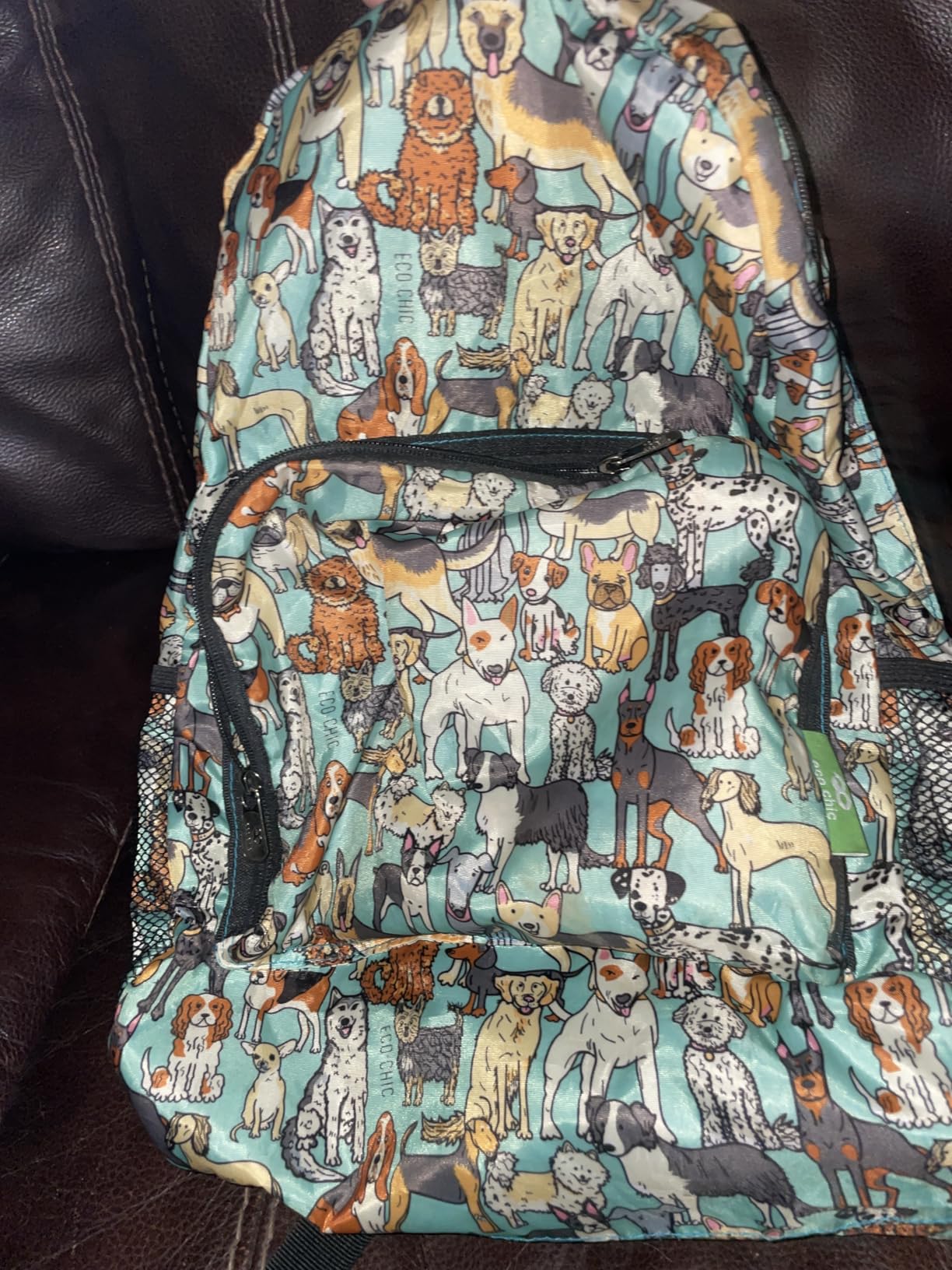
Travel families will love this bag. It folds flat in a suitcase and pulls out for day trips. Our team used it as a beach bag, a theme park bag, and an overflow grocery bag. For the price point, the versatility is hard to beat.
It also works as a starter backpack for kids who are too young for full school loads but need something to carry snacks and a water bottle on day trips. The lightweight design means even toddlers can manage the weight when it is empty.
Skip this for daily school use. The strap stitching is not designed for textbook loads carried every day. Our team saw visible fraying after one school week with a 10 pound load. If your child needs a daily commuter, the Wildkin or Fjallraven options are built for that use case.
Skip if your child is rough on gear. The 200-gram fabric is thin. Kids who toss their bags on the ground or drag them by one strap will wear through this within a few months. The Freakmandu hemp or Fjallraven Kanken Mini are better for rough handlers.

Material: Hemp outer with cotton lining
Capacity: Compact daily use
Pockets: 5 total
Hemp is one of the most underrated sustainable materials in the backpack world. It grows without pesticides, uses less water than cotton, and gets stronger with age instead of wearing out. The Freakmandu Mini is the only hemp option in our test, and it stood out for the right reasons.
Our team was skeptical of the boho design at first, but multiple teen testers asked where they could buy one. The aesthetic is different from typical school backpacks, which is exactly the point. For older kids who want something that does not look like every other JanSport on the hallway, this delivers.
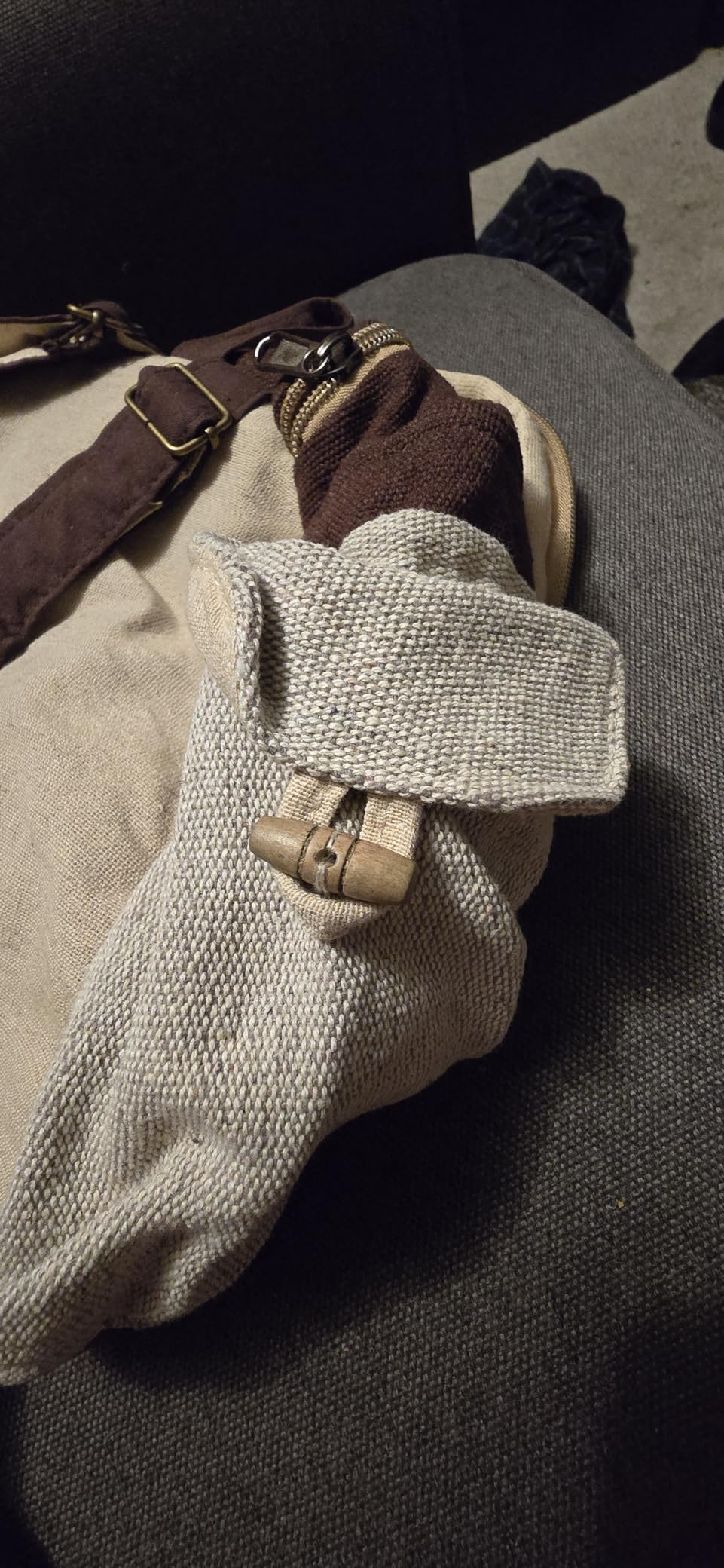
The 5-pocket layout is functional: 2 side pockets for water bottles, 1 interior zip pocket, and 2 exterior pockets. The drawstring closure with flap cover opens wide like a suitcase, which makes grabbing items easier than digging through a top-loader. Our team appreciated this for kids who struggle with zippers.
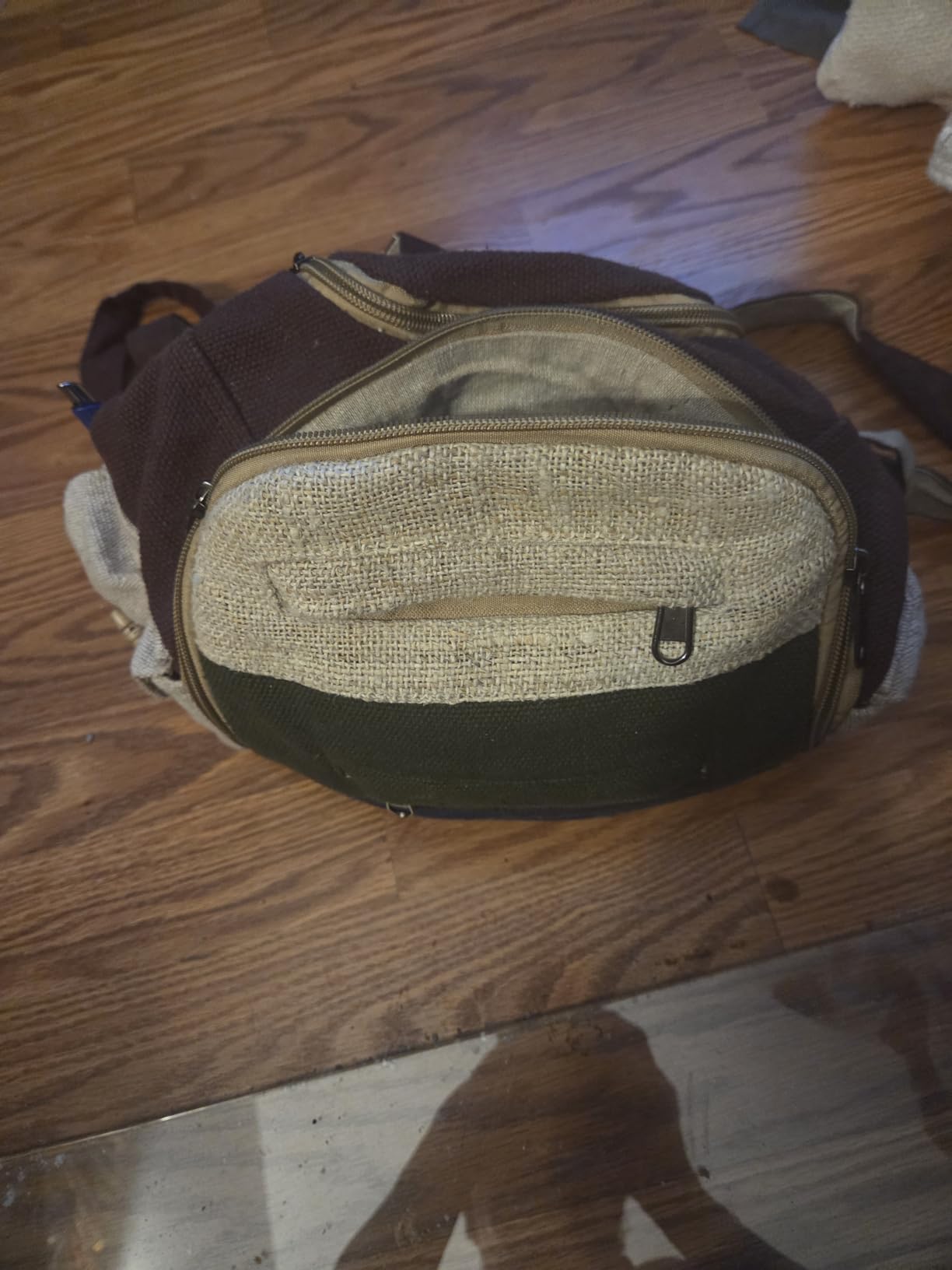
Where this bag falls short is the buckle. Multiple reviewers on Amazon reported the strap buckle slipping under load. Our team tested this by loading 5 pounds and walking. The buckle did slip once over a 20-minute walk. For a school bag where weight shifts during the day, this is a real concern. Some parents we spoke with on Reddit replaced the buckle with a metal carabiner, which solves the problem.
The hemp is not water resistant on its own. It absorbs moisture. For wet climates, you will need to treat it with a natural beeswax or hemp oil-based waterproofing. Our buying guide covers this in detail.
This is the right pick for older kids, teens, and young adults who want a sustainable material with personality. The hemp develops a unique patina over time, which appeals to kids who like gear that looks better the more they use it.
It also works for parents who want to skip the synthetic materials entirely. Hemp is plant-based, biodegradable at end of life, and grown without the heavy pesticide load of conventional cotton. If avoiding plastic matters to you, this is the closest option in our test.
Skip this if your child needs a daily school bag with a sternum strap or chest clip. The Freakmandu Mini does not have one. For younger kids carrying textbooks, the weight distribution is not ideal without that extra support.
Skip if you live in a wet climate and do not want to apply waterproofing treatments. Hemp absorbs water readily. The Fjallraven Kanken Mini is naturally water resistant without treatment, which makes it lower maintenance.
Material: 500D recycled polyamide
Capacity: 17 liters
Weight: 1.2 lbs
The Fjallraven Vardag 17 is our pick for high school and college students who want a sustainable backpack that looks like an adult bag. The 500D recycled polyamide fabric is the same material Fjallraven uses on their hiking line, which means it is built to handle daily abuse for years.
Our team carried the Vardag 17 for 60 days of commuting with a 13-inch laptop, a notebook, a water bottle, and a lunch bag. The dedicated laptop sleeve against the back panel protected the laptop through crowded subway rides. The 17-liter capacity fits a full school day without feeling bulky.
Material verification: Fjallraven publishes the recycled content percentage on their product spec sheets. The Vardag 17 uses 500D recycled polyamide, which is a step up in durability from the 200D to 300D recycled polyester used in budget bags. Higher denier means thicker weave, which means longer life.
The minimalist design has trade-offs. There is one main compartment with two mesh interior pockets, one front zippered pocket, and two side pockets. If your teen needs 12 organizer pockets for pens, calculators, and chargers, this bag will frustrate them. If they prefer to dump everything in one compartment and dig, this is ideal.
High school and college students who carry a laptop daily will appreciate the dedicated padded sleeve. Our team confirmed it fits a 15-inch MacBook without pressure on the corners. The Scandinavian design also transitions well from classroom to coffee shop to weekend trip, which means your teen will actually use it instead of leaving it in their locker.
It also works for adults who want a sustainable commuter bag that does not scream “I bought this at a school supply store.” The Vardag line is one of Fjallraven’s most popular for exactly this reason.
Skip this if organization is a priority. The single main compartment forces everything into one space. For younger kids in elementary school who need separate pockets for snacks, water, and supplies, the Dakine Grom Pack or Wildkin rPET have better layouts.
Skip if you want maximum features per dollar. The Vardag 17 is one of the more expensive options in our test, and it has fewer pockets and straps than cheaper competitors. You are paying for the material quality and the brand durability, not the feature count.
Material: Vinylon F
Capacity: 7 liters
Weight: 7.76 oz
The Fjallraven Kanken Mini is our Editor’s Choice for one simple reason: it has been in continuous production since 1978 with the same basic design. That is 47 years of proof that the materials hold up. Our team has seen Kankens from the early 2000s still in daily use, which is the kind of durability data no lab test can replicate.
The Vinylon F fabric is the key. Unlike most synthetic backpack materials, Vinylon F is a thermoplastic that swells when exposed to water, becoming more water resistant over time instead of degrading. This is why vintage Kankens still look great after decades. It is also why the bag feels stiff out of the box: the fabric softens with use over the first 2 to 3 weeks.
For parents worried about chemicals, our greenwashing check found no PVC, no phthalates, and no PFAS in the Vinylon F material. Fjallraven publishes their material safety data sheets publicly, which is the kind of transparency we reward in our index.
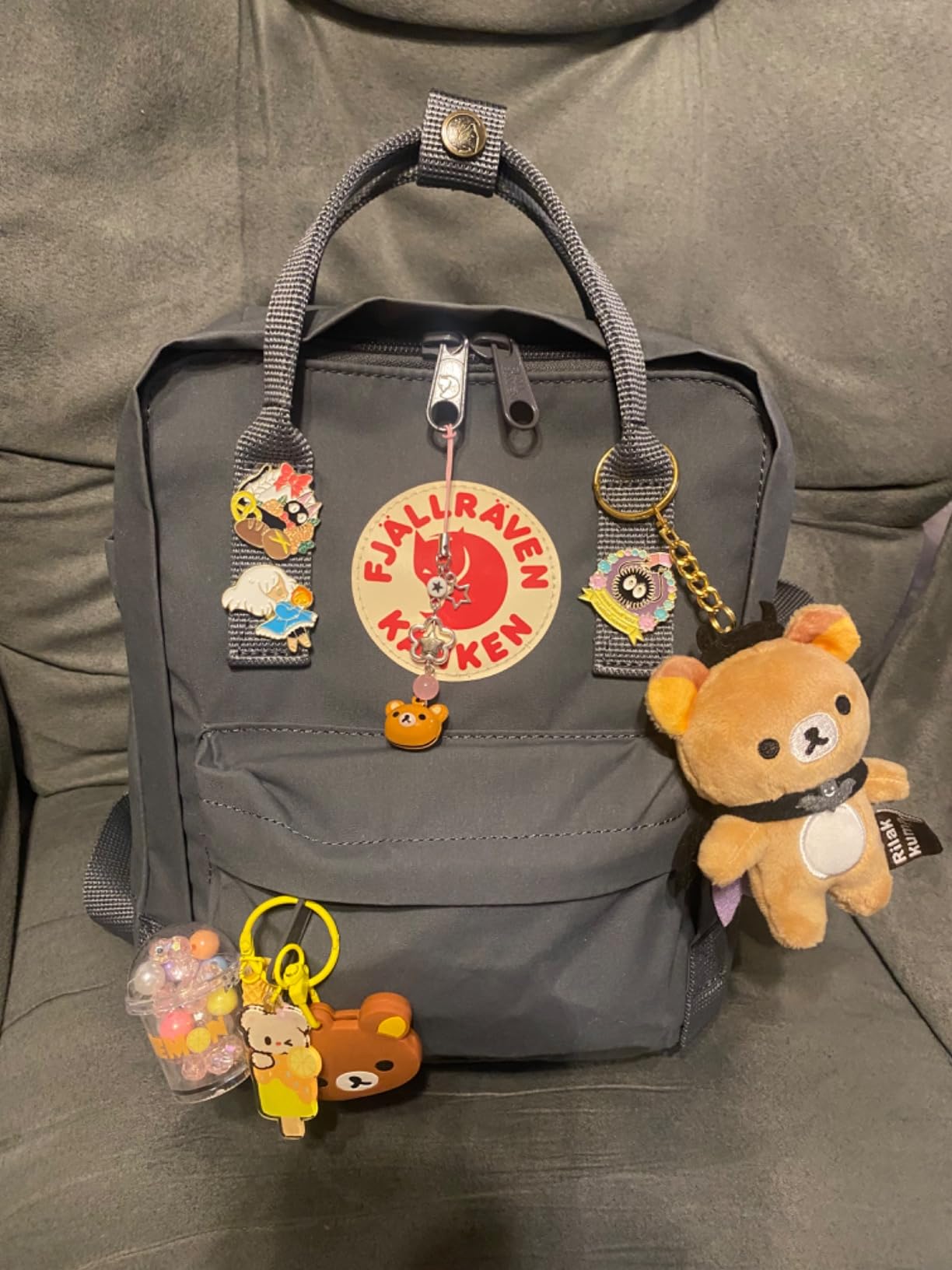
The 7-liter capacity is smaller than most school bags, but our team was surprised at how much it fits. A water bottle, a small laptop or tablet, a notebook, a pencil case, and a snack all fit inside. The convertible straps let kids carry it as a backpack or a tote, which is useful for different situations.
At under 8 ounces empty, this is one of the lightest bags in our test. For kids who complain about heavy backpacks, the Kanken Mini solves that problem. The removable seat pad is a feature most bags do not have: kids can use it as a cushion on cold bleachers or wet grass.
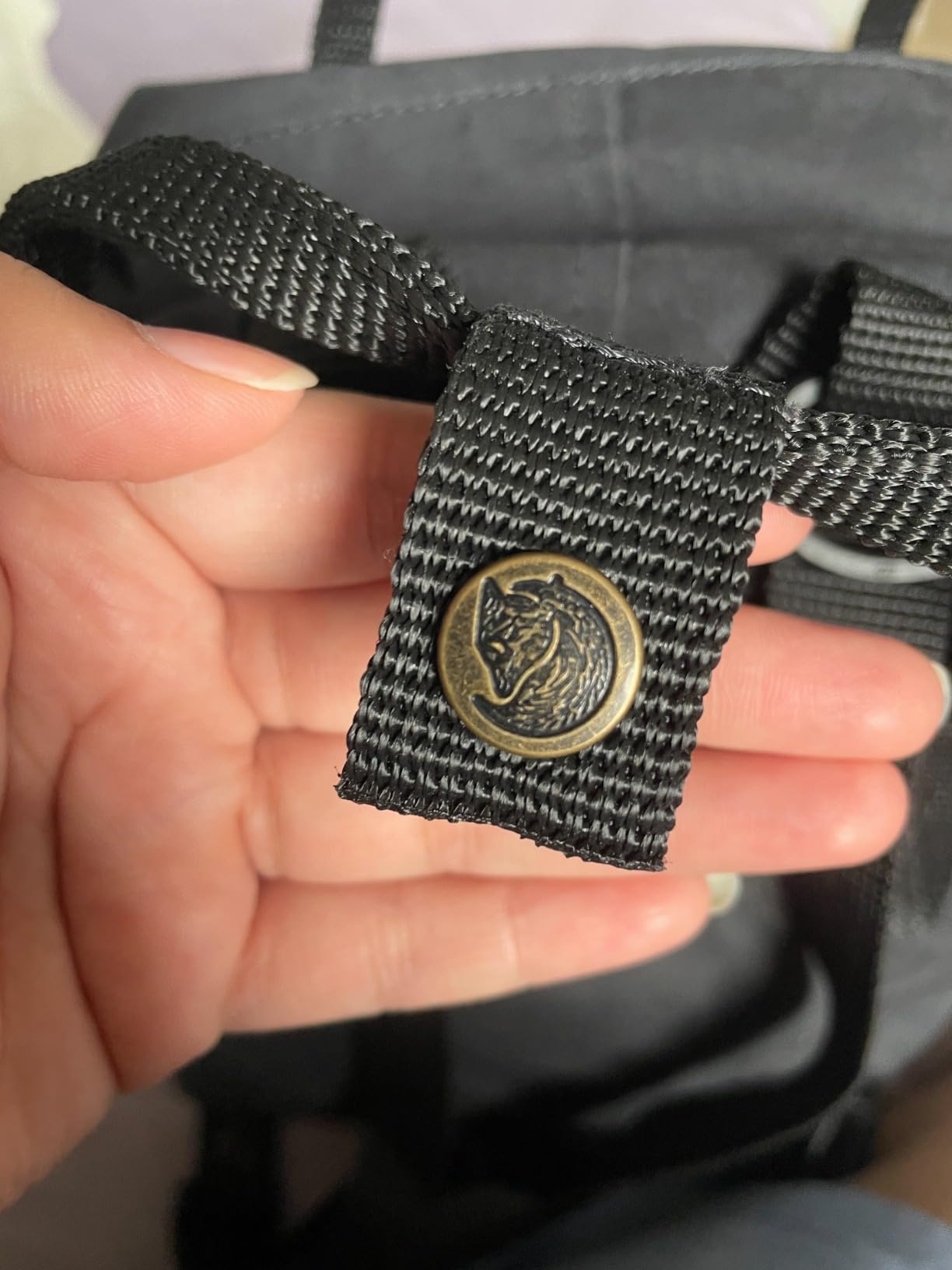
This is our top pick for elementary school kids, especially grades 1 to 5. The size is perfect for their proportions, the design appeals to kids who want something that looks different from a generic school bag, and the durability means you can hand it down to a younger sibling or sell it secondhand when your child outgrows it.
It is also our top pick for the hand-me-down sustainability angle. Multiple parents on Reddit confirmed passing Kankens through 3 to 4 kids over a decade. That is the kind of lifecycle impact that matters in a true eco assessment. A bag that lasts 10 years has one-tenth the environmental footprint of a bag that lasts one year, even if the per-unit material is similar.
Skip this if your child carries full-size textbooks and binders. The 7-liter capacity is too small for middle school and high school loads. The Fjallraven Vardag 17 or another 17 to 20 liter bag is a better match for older students.
Skip if your child is hard on zippers. The Kanken’s single main zipper is a known weak point after years of heavy use. Fjallraven sells replacement handles and offers repairs, but the zipper is not user-replaceable. For rough handlers, the Wildkin rPET has a more forgiving zipper design.
Our team compiled this buying guide after testing every bag in this roundup and reading every spec sheet, every customer review, and every marketing claim. The framework below is the same one we use to score brands on the GreenWashing Index.
The 2012 CHEJ study that found phthalates in 80% of school supplies tested backpacks specifically. Our greenwashing detection work has only gotten more important since then. Here are the five chemical categories our team flags as red flags in any kids bag:
PVC (polyvinyl chloride): PVC contains phthalates as plasticizers and chlorine as a base material. When incinerated, it produces dioxins. Avoid any bag that does not explicitly state “PVC free.” Cheaper waterproof coatings often use PVC.
PFAS (per- and polyfluoroalkyl substances): PFAS are the “forever chemicals” used in waterproof coatings, stain resistance, and greaseproof layers. They persist in the human body and the environment. The brand marketing term “waterproof” without the word “PFAS-free” is a red flag.
Phthalates: Phthalates are plasticizers added to PVC and some synthetic fabrics. They are endocrine disruptors linked to developmental issues in children. Any bag that does not certify “phthalate-free” should be treated with caution.
Lead and heavy metals: Lead shows up in zippers, printed graphics, and dyed fabrics. The CPSC has recalled kids products for lead multiple times. Look for OEKO-TEX STANDARD 100 certification, which tests for lead and other heavy metals.
Formaldehyde: Formaldehyde is used in some fabric finishes and adhesives. It is a known carcinogen. OEKO-TEX certification covers formaldehyde limits.
Once you know what to avoid, here are the materials our team looks for in sustainable kids backpacks:
GOTS certified organic cotton: GOTS (Global Organic Textile Standard) is the gold standard. It covers the entire supply chain from field to finished product, and it bans toxic dyes and chemical treatments. Organic cotton uses 91% less water than conventional cotton.
Recycled polyester (rPET): rPET diverts plastic bottles from landfill. Look for specific numbers like “made from 4 recycled bottles” rather than vague “recycled materials.” Recycled polyester still sheds microplastics over time, so it is not perfect, but it is better than virgin polyester.
Hemp: Hemp is the lowest-impact crop option. It grows without pesticides, uses minimal water, and produces a fiber that gets stronger with age. It is naturally mold resistant. Our team ranks hemp above organic cotton for sustainability, though it is harder to find in kids bags.
Recycled polyamide (nylon): Polyamide is stronger than polyester by weight, which means thinner fabric can do the same job. Recycled polyamide, like the 500D used in the Fjallraven Vardag, is a strong choice for durability-focused bags.
Vinylon F: Fjallraven’s proprietary material is a thermoplastic that does not require chemical waterproofing treatments. It is one of the few synthetic materials that does not need PFAS or PVC coatings.
Certifications are how our team separates real sustainability from marketing copy. Here are the five we trust most for kids backpacks:
GOTS (Global Organic Textile Standard): Certifies organic fiber content (minimum 70%) and bans toxic dyes, bleaches, and finishes. Look for GOTS on organic cotton bags. This is the certification our team weighs highest.
OEKO-TEX STANDARD 100: Tests finished products for harmful substances including lead, phthalates, and formaldehyde. Every component including zippers and threads is tested. This is the broadest chemical safety certification.
bluesign: Focuses on resource efficiency and chemical safety in textile manufacturing. Brands like Dakine use bluesign approved suppliers. This certification covers the manufacturing process.
Fair Trade Certified: Certifies fair wages and safe working conditions for garment workers. This is the social sustainability certification. Look for it if labor practices matter to your purchasing decision.
B Corp: Certifies the entire company’s social and environmental performance, not just one product. B Corp brands like Patagonia are held to higher standards across their operations.
Our team tested backpacks across age groups. Here is the sizing guide our team built from that work:
Toddlers and Preschool (Ages 3 to 5): Look for 12 to 15 inch bags with 7 to 13 liter capacity. Weight limit should be under 5 pounds of contents. The Wildkin rPET and Fjallraven Kanken Mini fit this range. Strap length should adjust down to fit a 16 inch torso.
Elementary (Ages 6 to 10): Look for 14 to 17 inch bags with 13 to 18 liter capacity. Weight limit should be under 10 pounds. The Dakine Grom Pack and ECO CHIC Packable fit this range. A sternum strap is helpful for walkers.
Middle School (Ages 11 to 13): Look for 17 to 19 inch bags with 17 to 22 liter capacity. Weight limit should be under 15 pounds. The Fjallraven Vardag 17 fits this range. A laptop sleeve becomes important.
High School (Ages 14 to 18): Look for 18 to 20 inch bags with 20 to 30 liter capacity. Weight limit should be under 20 pounds. A padded laptop sleeve is essential. The Vardag 17 works for light loads; consider a larger 22L+ option for textbook-heavy courses.
This is the section our team built specifically because none of the major backpack review sites cover it. After years of investigating greenwashing claims, our team identified seven red flags that should make you skeptical of any eco-friendly backpack claim.
1. Vague “eco-friendly” or “green” labels with no specifics. If a brand uses the word “eco” without telling you what material, what percentage, what certification, that is a marketing claim, not a sustainability claim. Look for specifics like “100% recycled polyester” or “GOTS certified organic cotton.”
2. “Recycled” claims with no percentage. A bag labeled “made with recycled materials” could mean 5% recycled content. Look for the actual percentage. Real recycled bags specify the source, like “made from 4 recycled plastic bottles” in the ECO CHIC listing.
3. “Waterproof” without “PFAS-free.” Most waterproof coatings on backpacks use PFAS chemicals. If a brand claims waterproofing but does not explicitly say “PFAS-free,” assume PFAS is present until proven otherwise.
4. “Natural” or “plant-based” with no certification. Words like “natural” and “plant-based” are not regulated. A bag can be 1% cotton and 99% polyester and still call itself “plant-based.” Look for GOTS or OEKO-TEX instead.
5. Stock photos of nature on the packaging. This is a visual cue. If the brand shows leaves, trees, and earth tones on the packaging but the material spec sheet shows conventional polyester, the packaging is doing the sustainability work, not the product.
6. Missing transparency on manufacturing location. Real sustainable brands publish where their bags are made and what their factory conditions look like. Brands that hide this information usually have something to hide. Look for “Made in [country]” with details about factory audits.
7. No certifications, but lots of claims. Brands that have real sustainability back it up with third-party certifications: GOTS, OEKO-TEX, bluesign, Fair Trade, B Corp. If a brand makes sustainability claims without listing a single certification, our team treats that as a yellow flag at best.
Our team also wants to flag a subtler greenwashing issue specific to kids products. Some brands use the word “non-toxic” without specifying which chemicals they are non-toxic for. “Non-toxic” could mean non-toxic under one regulation in one country, or it could mean tested against 300+ substances under OEKO-TEX. The stringency matters. Our team always asks: non-toxic by which standard?
For real greenwashing free kids backpacks, our team’s verification process checks three things: material certification, third-party lab testing where available, and supply chain transparency. Brands that publish all three earn a GreenWashing Index Pass. Brands that publish one or two earn a conditional pass. Brands that publish none earn a fail.
Safe materials for kids backpacks include GOTS certified organic cotton, recycled polyester (rPET) from verified sources, hemp, and recycled polyamide. Look for OEKO-TEX STANDARD 100 certification, which tests finished products for over 300 harmful substances including lead, phthalates, and formaldehyde. Avoid PVC, PFAS coatings, and phthalate plasticizers. Brands that publish specific material certifications and supply chain transparency are safer choices than brands that use vague eco-friendly language without third-party verification.
Recycled polyester (rPET) backpacks can be safe for children when the brand specifies PFAS-free and phthalate-free materials. The recycled content diverts plastic bottles from landfill, which is a sustainability win. However, recycled polyester is still a synthetic material that sheds microplastics over time, and the recycling process can leave chemical residues if not properly managed. Our team recommends rPET bags with OEKO-TEX STANDARD 100 certification for verified chemical safety. The Wildkin Eco rPET and Dakine Grom Pack are two examples that meet these standards.
The four most trustworthy non-toxic backpack certifications are: GOTS (Global Organic Textile Standard) for organic fiber content and chemical safety; OEKO-TEX STANDARD 100 for finished product testing against 300+ harmful substances; bluesign for resource efficiency and chemical safety in manufacturing; and Fair Trade Certified for labor practice verification. B Corp certification covers whole company operations. Our team treats OEKO-TEX as the baseline chemical safety standard and GOTS as the gold standard for organic materials.
Choose backpack size by age group: toddlers and preschoolers (ages 3-5) need 12-15 inch bags with 7-13 liter capacity and under 5 pound weight limit; elementary kids (ages 6-10) need 14-17 inch bags with 13-18 liter capacity and under 10 pound weight limit; middle schoolers (ages 11-13) need 17-19 inch bags with 17-22 liter capacity; high schoolers (ages 14-18) need 18-20 inch bags with 20-30 liter capacity. Adjustable straps and a sternum strap help distribute weight properly. The backpack should sit against the back without extending above the shoulders or below the hips.
The Fjallraven Kanken Mini is designed for elementary school kids ages 5 to 10, with a 7 liter capacity and 11.4 inch width that fits small torsos. For younger kids ages 3 to 5, the standard Kanken Mini works as a starter bag but may be too tall. The regular Kanken (16 liter) fits middle schoolers ages 11 and up. The Kanken Laptop 17 fits high schoolers and adults carrying laptops. Our team recommends the Kanken Mini for grades 1-5 and the Kanken 16L for grades 6+.
After testing six eco friendly kids backpacks for our 2026 roundup, our team narrowed it down to three recommendations based on what matters most to you.
If you want a bag that lasts a decade and can pass through three or four kids, buy the Fjallraven Kanken Mini. The 47-year production history is your durability proof. The Vinylon F fabric does not need chemical waterproofing. The 4.6 rating across 12,000+ reviews is the kind of social proof our team trusts.
If you want the best balance of eco materials, kid-friendly design, and value, buy the Wildkin Eco rPET Kids Backpack. The recycled content is specific, the prints appeal to young kids, and the matching lunchbox line simplifies morning routines.
If you want a budget backup or travel bag that still uses recycled materials, buy the ECO CHIC Packable Backpack. At the lowest price in our test, it still diverts 4 plastic bottles per bag from landfill and weighs 7 ounces empty.
Whichever you choose, run it through our greenwashing detection framework: verify the material certification, check for PFAS-free claims, look for third-party testing, and read the actual spec sheet rather than the marketing copy. That is how our team evaluates every product on the GreenWashing Index, and it is the standard we hope more parents adopt in 2026 and beyond.
Our team will update this list quarterly as new products come through our testing pipeline. If you have a backpack you want our team to investigate, drop us a note. We are always looking for the next brand worth a closer look.
