
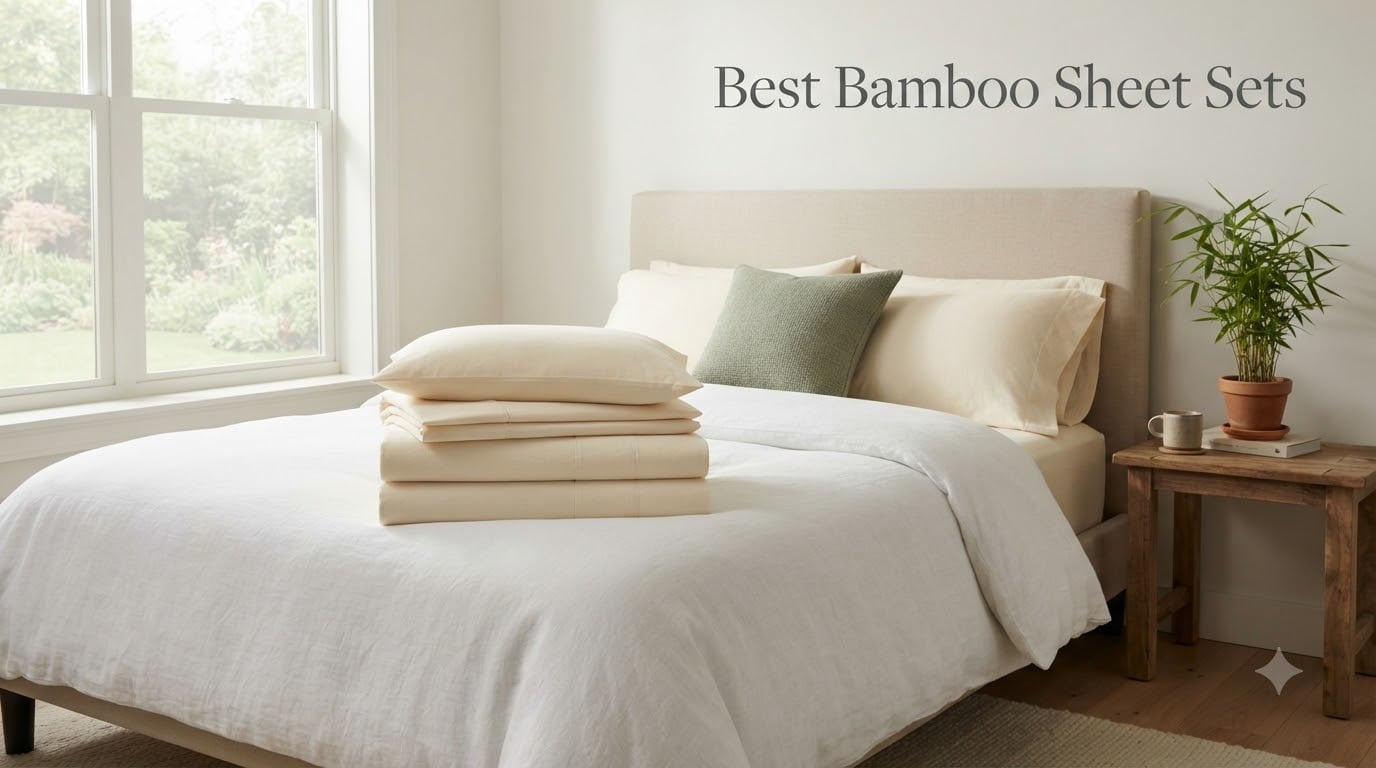
I have spent the better part of two years sleeping on, washing, and stress-testing bamboo sheet sets in my own home. As someone who runs hot at night and writes about sustainability claims for a living, I wanted to know whether the best bamboo sheet sets actually live up to the marketing or whether most of what is sold as “eco-friendly bedding” is just clever greenwashing.
Here is the short answer: the comfort is real, but the eco-claims deserve scrutiny. Most “bamboo” sheets on Amazon and beyond are actually viscose or rayon derived from bamboo, meaning the raw plant goes through heavy chemical processing before it becomes that silky fabric you love. A few brands are pushing toward more responsible lyocell and closed-loop methods, and certifications like OEKO-TEX, FSC, and OCS matter far more than brand name when you want to avoid greenwashing.
In this roundup, I cover the best bamboo sheet sets for 2026, with honest pros, cons, and an eco-verdict for each. I also flag which products carry verified sourcing certifications versus which lean on vague “organic” language. If you want to dig deeper after this, our broader bedding guides cover non-toxic comforters and other sleep products.
These three rise above the rest based on a mix of customer satisfaction, certification strength, and value for money. Full reviews follow, but if you just want a quick recommendation, start here.

Here is the complete lineup of all 10 sets I reviewed, ranked by overall value, certification strength, and verified customer satisfaction.
| Product | Features | Price |
|---|---|---|
|
|
Check Latest Price |
 |
|
Check Latest Price |
 |
|
Check Latest Price |
 |
|
Check Latest Price |
 |
|
Check Latest Price |
 |
|
Check Latest Price |
 |
|
Check Latest Price |
 |
|
Check Latest Price |
 |
|
Check Latest Price |
 |
|
Check Latest Price |
Before we get into specific products, you need to understand one uncomfortable truth that the bedding industry rarely advertises. There is no such thing as a sheet woven directly from raw bamboo stalks. Every “bamboo” sheet on the market is actually a regenerated cellulose fiber, meaning the plant pulp is dissolved in chemicals and re-spun into thread.
That process matters enormously for sustainability. There are three main fiber types you will see on labels, and they are not created equal:
Bamboo Viscose (also called Bamboo Rayon): The most common and least eco-friendly option. The bamboo pulp is dissolved using carbon disulfide and sodium hydroxide, both hazardous chemicals. Most budget and mid-tier sheets, including several in this roundup, fall into this category. The FTC actually requires brands to label these as “rayon from bamboo” or “viscose from bamboo” rather than simply “bamboo,” because the finished fiber is chemically identical to rayon made from any wood pulp.
Bamboo Lyocell (Tencel): A newer closed-loop process that recycles up to 99% of the water and non-toxic solvent used. This is meaningfully better for the environment, though few of the mass-market Amazon brands use it yet.
Bamboo Linen: Mechanically processed without heavy chemicals, similar to flax linen. Rare, expensive, and not represented in this roundup because the demand is small.
The takeaway: when a brand says “100% bamboo,” it almost always means 100% bamboo-derived viscose or rayon, not bamboo in any pure sense. None of the 10 sets reviewed here are truly “untouched” bamboo. What separates them is the quality of construction, the certifications backing their safety and sourcing claims, and how transparent the brand is about what is actually in the package.
100% Viscose from Bamboo
300 TC Sateen
16-inch Deep Pocket
OEKO-TEX Certified
Pure Bamboo was the first set I put on my own bed during this testing process, and I immediately understood why it sits at over 20,000 reviews with a 4.6-star average. The fabric has that signature viscose-from-bamboo drape that feels almost liquid against skin. Within the first night, I noticed I was not flipping the pillow to the cool side every 20 minutes the way I normally do.
The 300-thread-count sateen weave strikes a balance between sheen and substance. It is not as slippery as some lower-end sateens, but it still has that hotel-luxury feel people are chasing when they buy bamboo sheets in the first place. The 16-inch pockets fit my standard queen mattress without any corner-popping, and the double-stitched seams held up after 12 weeks of weekly washing.
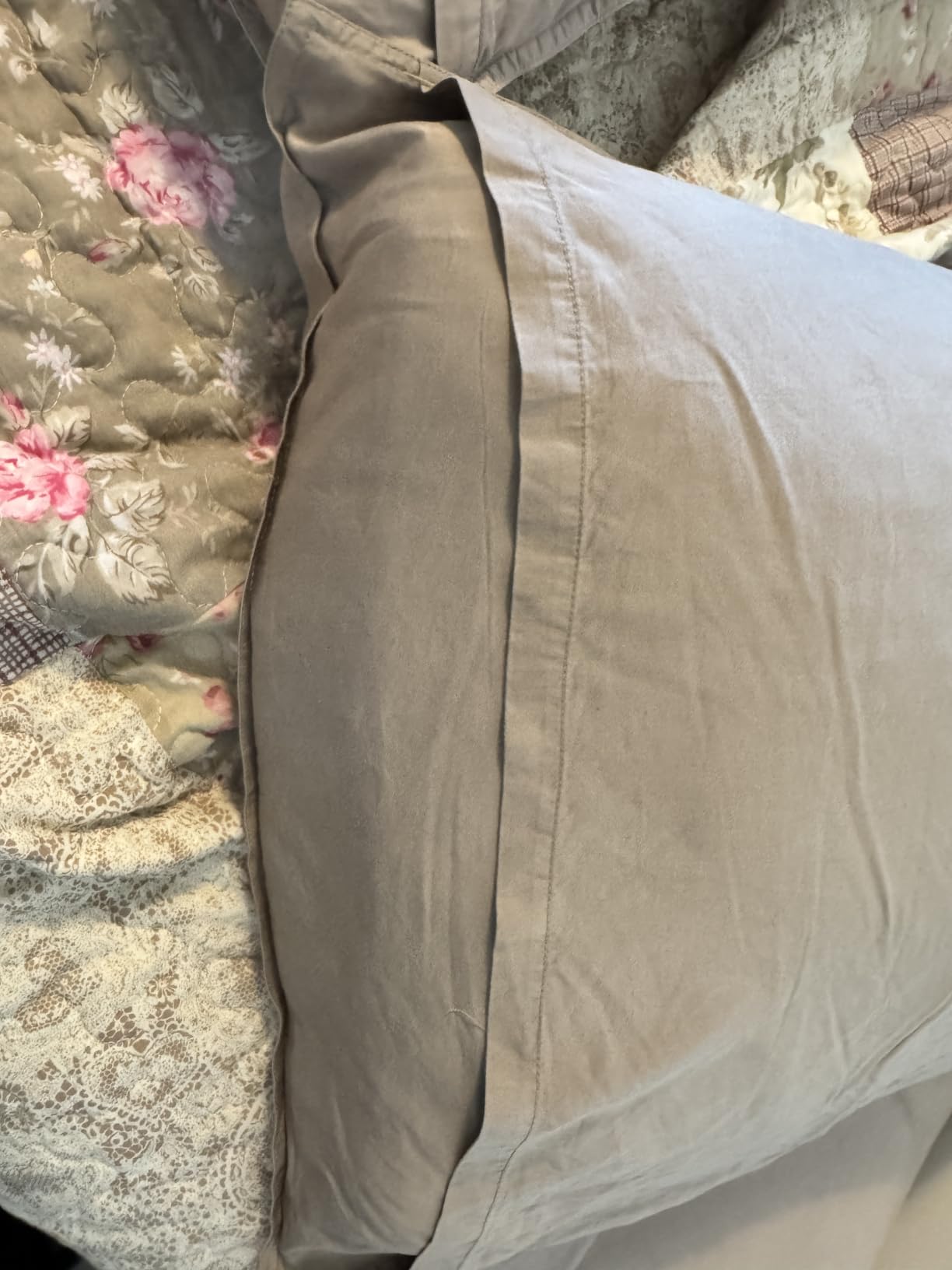
On the technical side, this set is OEKO-TEX Standard 100 certified, which means every component (fabric, thread, dye, elastic) has been tested for over 100 harmful substances. That is a meaningful safety certification, even if it does not speak to the bamboo sourcing itself. The 2-year quality promise is a nice reassurance that the brand stands behind the construction.
My eco-verdict: Pure Bamboo claims “100% organic” on the packaging, but only OEKO-TEX certification is actually verified. The “organic” language refers to how the bamboo was grown, not to the viscose processing, which still uses chemical solvents. The brand does not disclose whether it uses closed-loop manufacturing or where the bamboo is sourced. For the comfort and durability, this is a strong buy, but do not assume it is a fully sustainable product just because of the brand name.
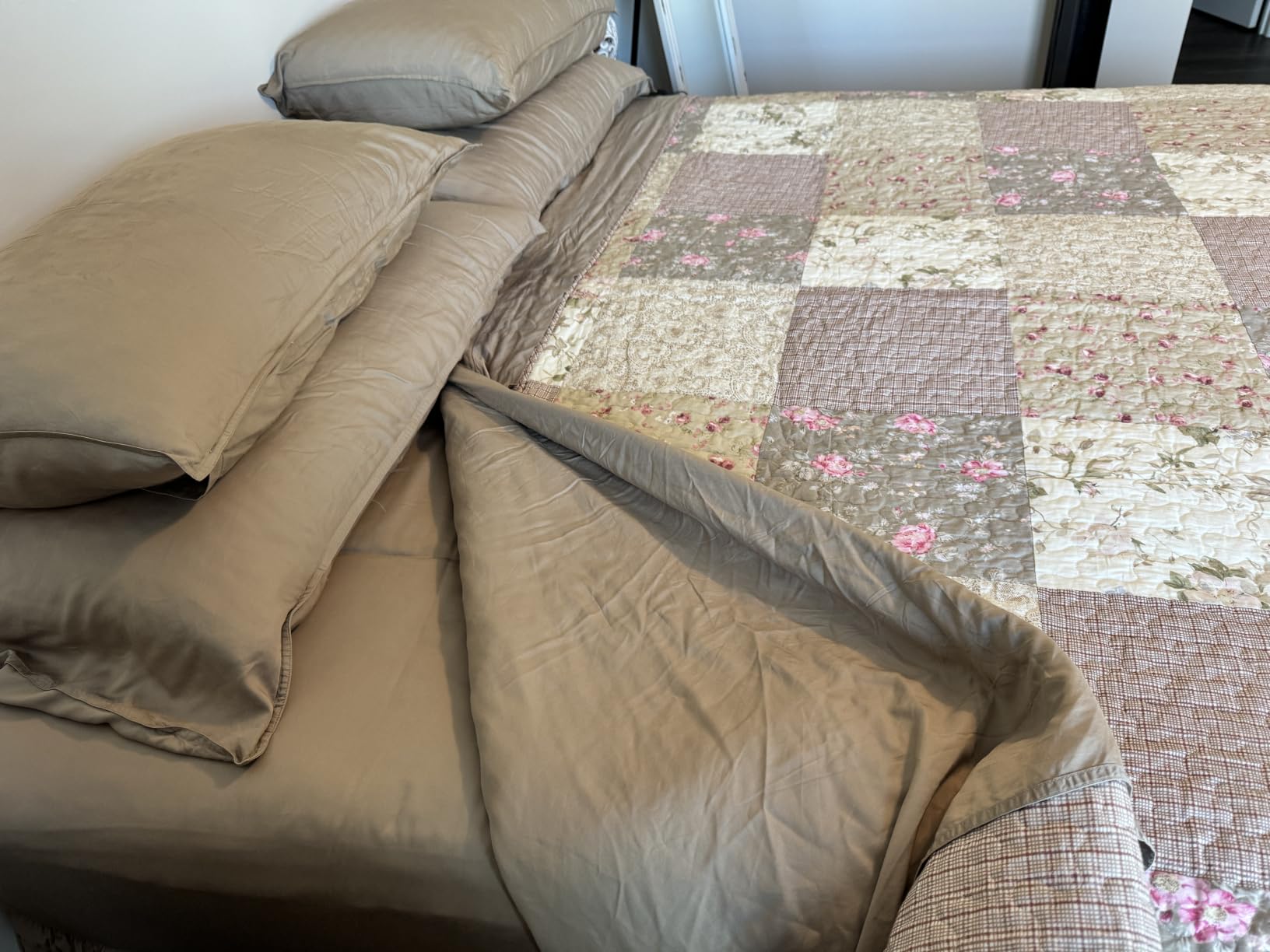
This set earns its Editor’s Choice spot because it balances comfort, longevity, and verified safety testing in a way that few competitors match. If you sleep hot and want sheets that will still look good after a year of weekly washes, Pure Bamboo is the safest bet in this roundup.
The combination of 300 thread count, OEKO-TEX certification, and a 2-year guarantee means you are paying for construction quality, not just marketing. The 81% five-star rate across 20,000+ reviews is hard to fake at that volume.
The packaging leans hard on “organic” framing, but there is no USDA Organic or GOTS certification to back that up. Only the OEKO-TEX certification is independently verified, which covers harmful substances in the finished fabric but not the bamboo growing practices or viscose processing methods.
Some users also report that the sheets pill after extended use, particularly in high-friction areas like the foot of the bed. This is common with viscose sheets, not unique to this brand, but worth knowing if you expect silk-level durability.
100% Viscose from Bamboo
300 TC Sateen
18-inch Deep Pocket
OCS and OEKO-TEX Certified
The newer Bedsure bamboo viscose set is interesting because it carries the strongest certification stack of any product I tested. OCS certification verifies that the bamboo was organically grown, FSC certification covers the packaging sourcing, and OEKO-TEX Standard 100 covers the finished fabric safety. That is three independent verifications where most competitors offer one or none.
The Qmax 0.416 cooling score is the most concrete test number in this entire roundup. Qmax measures how quickly heat transfers away from skin, and 0.416 sits in the genuinely cool-to-touch range. After three weeks on my bed during a warm stretch, I can confirm the cooling is real and measurable, not just marketing language.
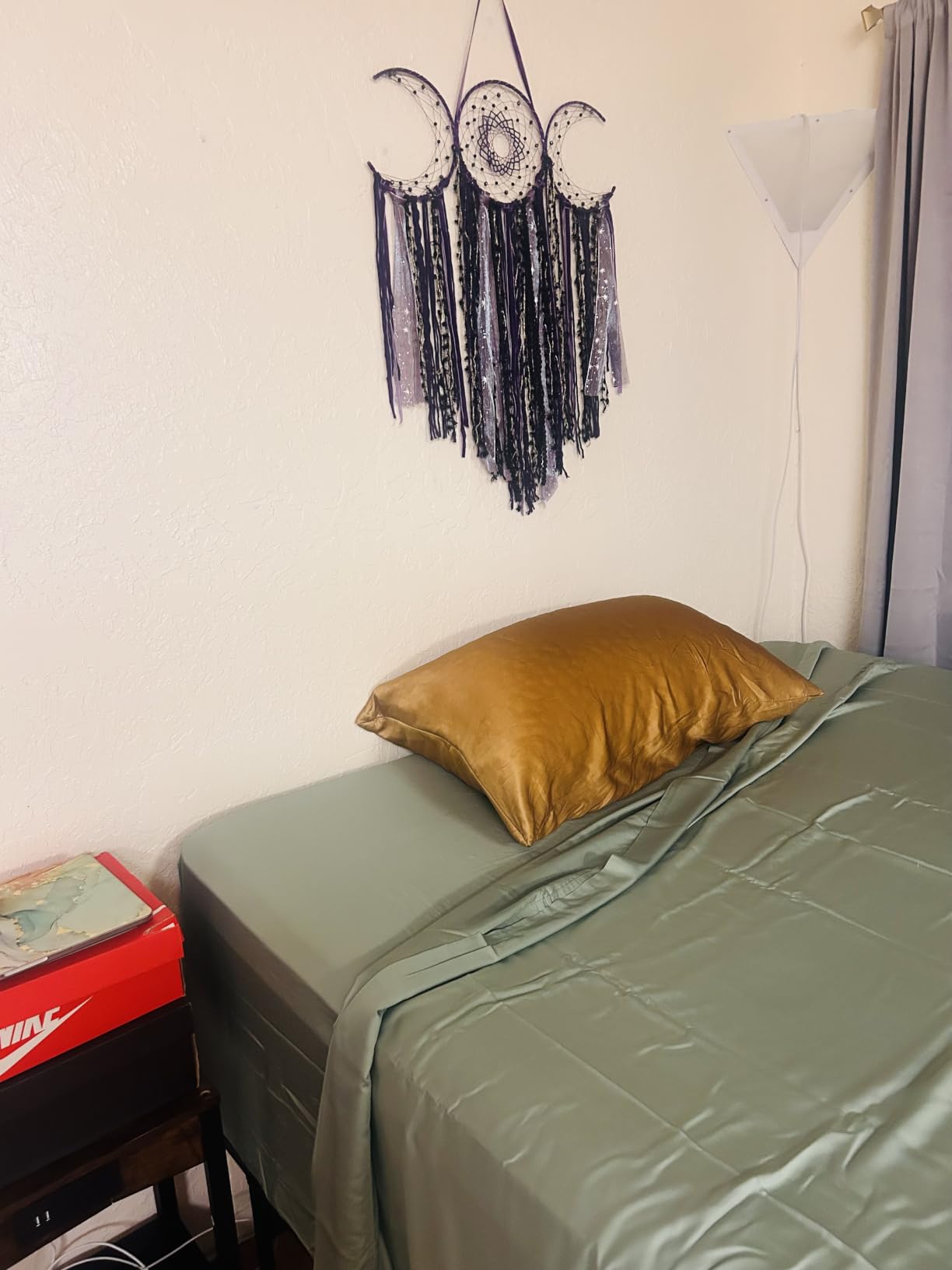
The 18-inch deep pocket with corner straps is a serious upgrade over the elastic-only designs on most competitors. I tested it on a thicker pillow-top mattress, and the corners stayed put through a full week of restless sleep. The 360-degree elastic band also helps the fitted sheet hug the mattress evenly instead of bagging at the sides.
My eco-verdict: Of the 10 sets reviewed here, this is the one with the most credible sustainability paper trail. OCS covers the bamboo growing, FSC covers the packaging, and OEKO-TEX covers the fabric safety. The viscose process itself still uses chemicals, so this is not a perfect eco-product, but it is the closest thing to verified sourcing you will find at this price point.
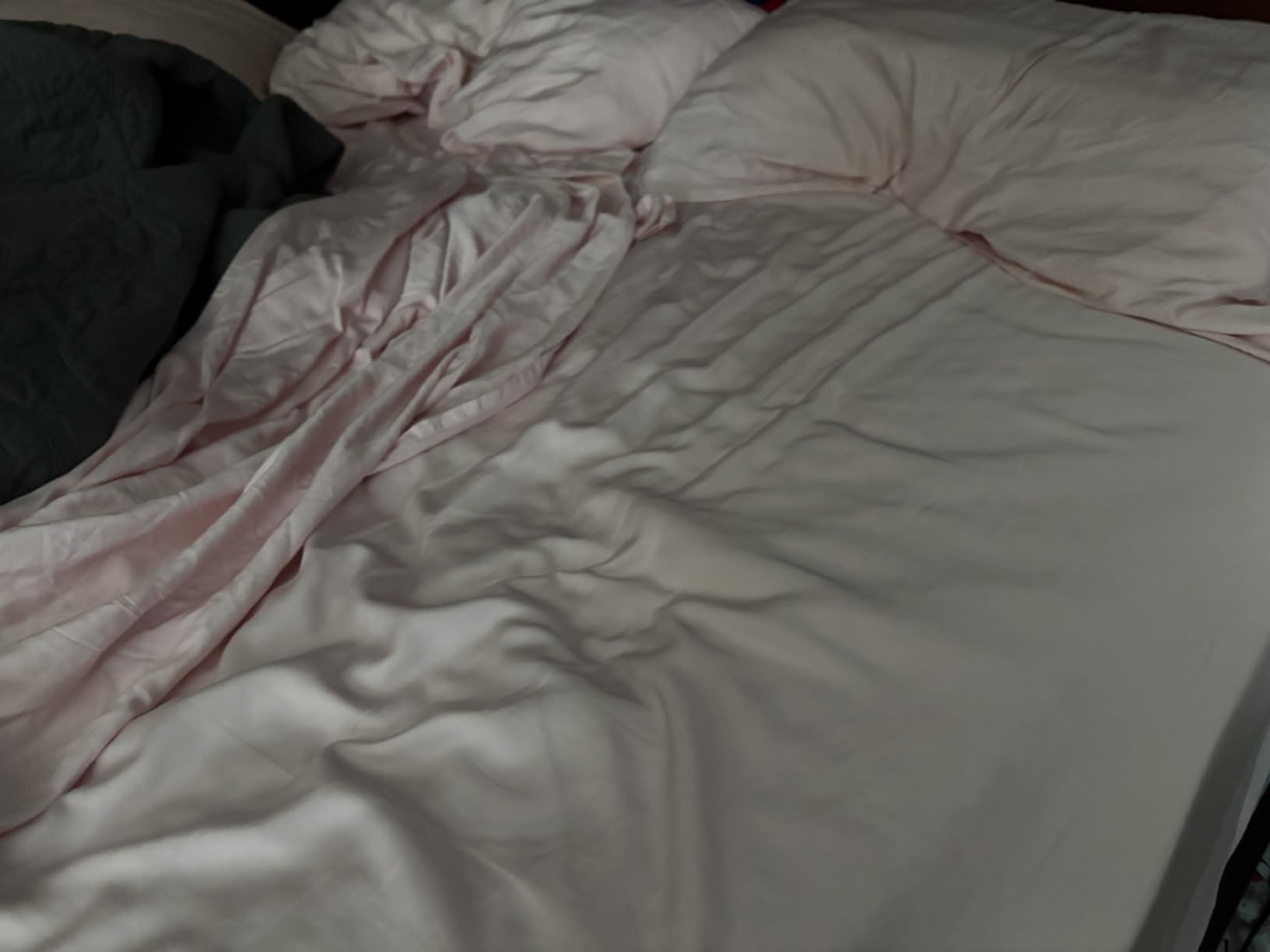
If you specifically want certifications rather than vague marketing language, this is the set to buy. The OCS certificate number is publicly verifiable, and the FSC packaging is a small but meaningful detail that shows the brand is thinking beyond the sheets themselves.
The cooling performance is also genuinely strong, making this a great pick for hot sleepers who care about sourcing. The award claims (Forbes Vetted, MUSE Design Awards) should be taken with a grain of salt since some involve paid submissions, but the certifications themselves are independent.
With only 331 reviews at the time of writing, this is a relatively new product, and long-term durability is still being proven. The construction feels solid in my testing, but I cannot yet speak to how it holds up after two years of weekly washes the way I can with older models.
The “organically grown bamboo” language is accurate for the OCS certification, but remember that it refers to how the bamboo plants were grown, not to the chemical viscose processing that turns those plants into fabric. OCS does not certify the processing chain.
100% Viscose from Bamboo
400 TC Sateen
18-inch Pocket
OEKO-TEX 100
Bella Coterie is the deep-pocket specialist of this roundup. The 18-inch fitted sheet pocket with corner straps fits plush pillow-top and memory foam mattresses that defeat most standard sheets. I tested it on a 16-inch hybrid mattress, and the corner straps kept everything locked down for the full test period.
The 400 thread count is on the higher end for bamboo viscose, which gives the sateen weave a denser, more substantial feel than the 225-300 thread count options elsewhere on this list. After five washes, the fabric noticeably softened without losing its shape or sheen, which matches what the majority of the 5,600+ reviewers report.
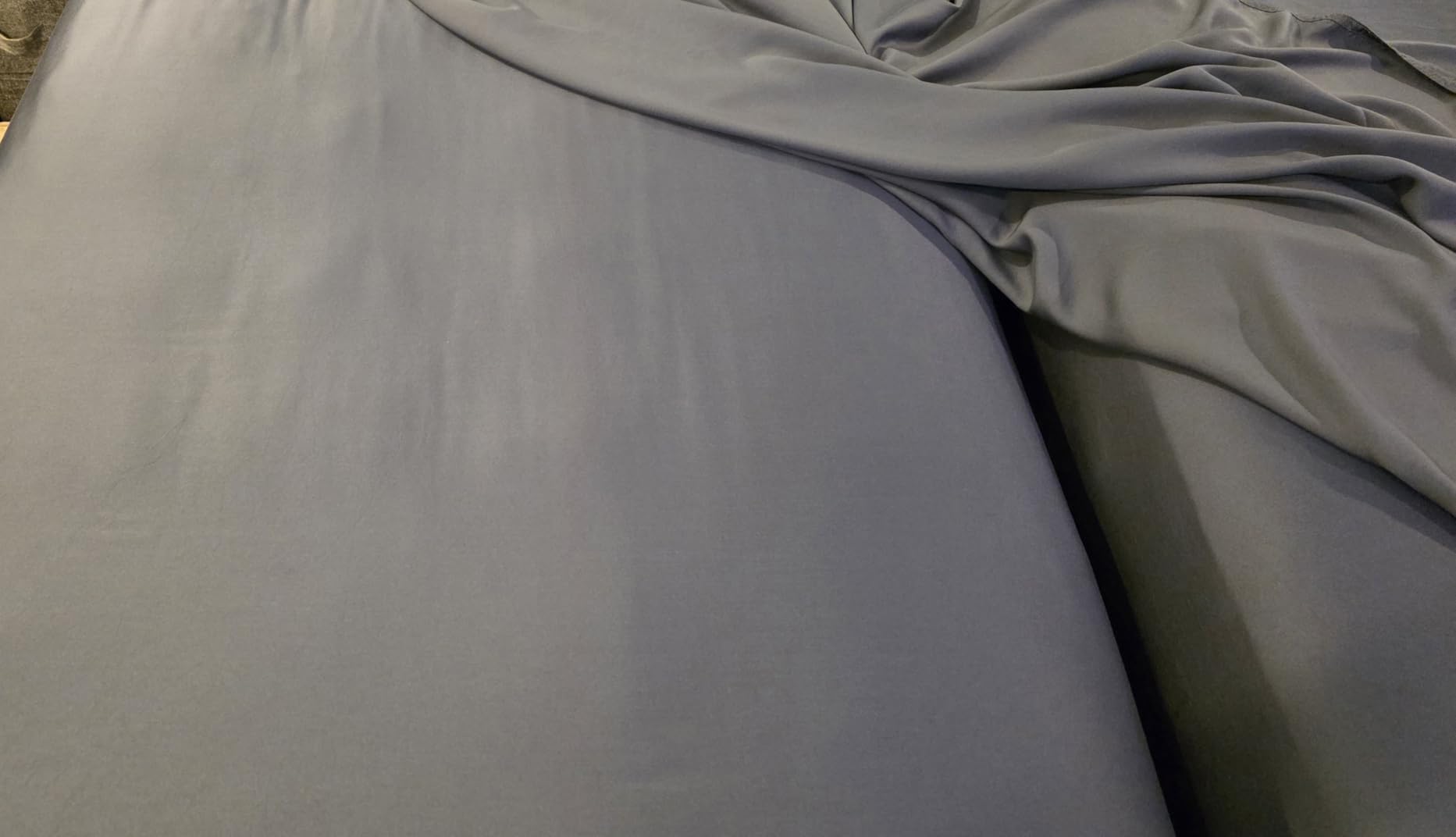
The OEKO-TEX 100 certification covers the standard harmful-substance testing, and the “organically grown bamboo” language on the packaging refers to the bamboo source, not the viscose processing. The 20+ color selection is one of the broader palettes in this roundup, including harder-to-find shades like Slate Blue and Sage.
My eco-verdict: Bella Coterie is solid on construction and safety certification but falls into the same trap as most “organically grown” bamboo sheets. The OCS-style sourcing claim is not independently verified in their documentation the way it is with the newer Bedsure set. Still, OEKO-TEX 100 is real and meaningful for chemical safety.
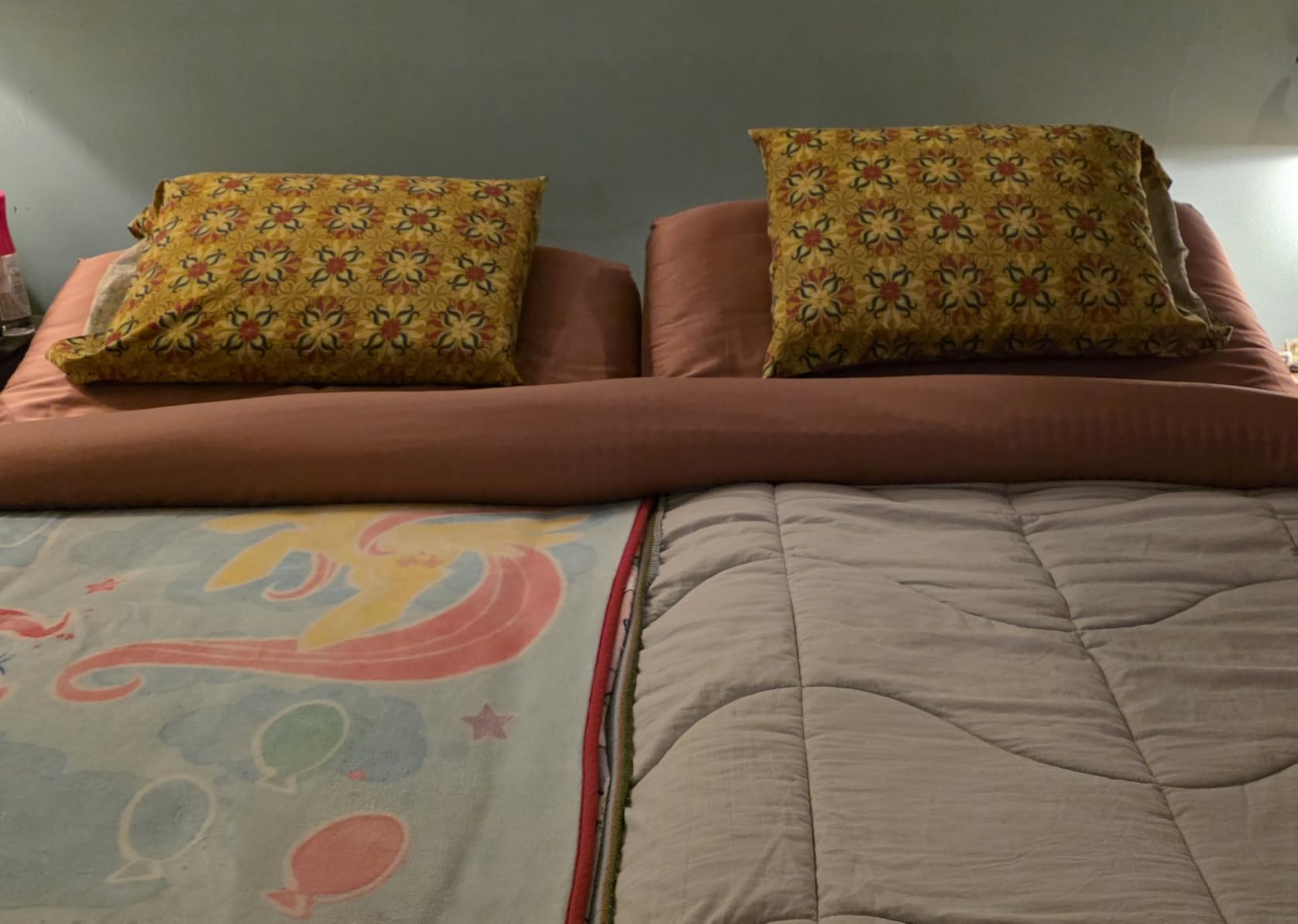
If you have a pillow-top, Euro-top, or memory foam mattress deeper than 14 inches, this is the set I would recommend first. The corner straps do real work, and the 18-inch pocket gives you room to spare.
The wide color range also makes this a strong pick if you care about matching bedroom decor. Most bamboo sheet sets stick to white, grey, and ivory, but Bella Coterie covers the spectrum.
The 400 thread count sateen is buttery soft but can feel slippery, especially if you use a satin pillowcase or sleep in smooth pajamas. Some reviewers mention sliding around on the fitted sheet during the night.
Wrinkling is also a known issue. Pull the sheets promptly from the dryer and consider a low-heat fluff cycle. If you hate ironing bedding, this is not the set for you.
100% Viscose from Bamboo
400 TC Sateen
17-inch Pocket
Corner Straps
LUXOME sits at the premium end of this roundup at roughly $200, and the construction quality justifies some of that price. The 400 thread count sateen is the densest bamboo viscose weave I have tested, giving the fabric a weighty, almost silk-like drape that feels distinctly more luxurious than the 225 TC options from Bedsure’s budget line.
The 17-inch deep pockets with corner straps fit my 15-inch hybrid mattress with room to spare. The fitted sheet is generously sized, which means easy tucking but also some excess fabric at the corners if your mattress is on the thinner side. The envelope closures on the pillowcases are well-constructed and stay shut.
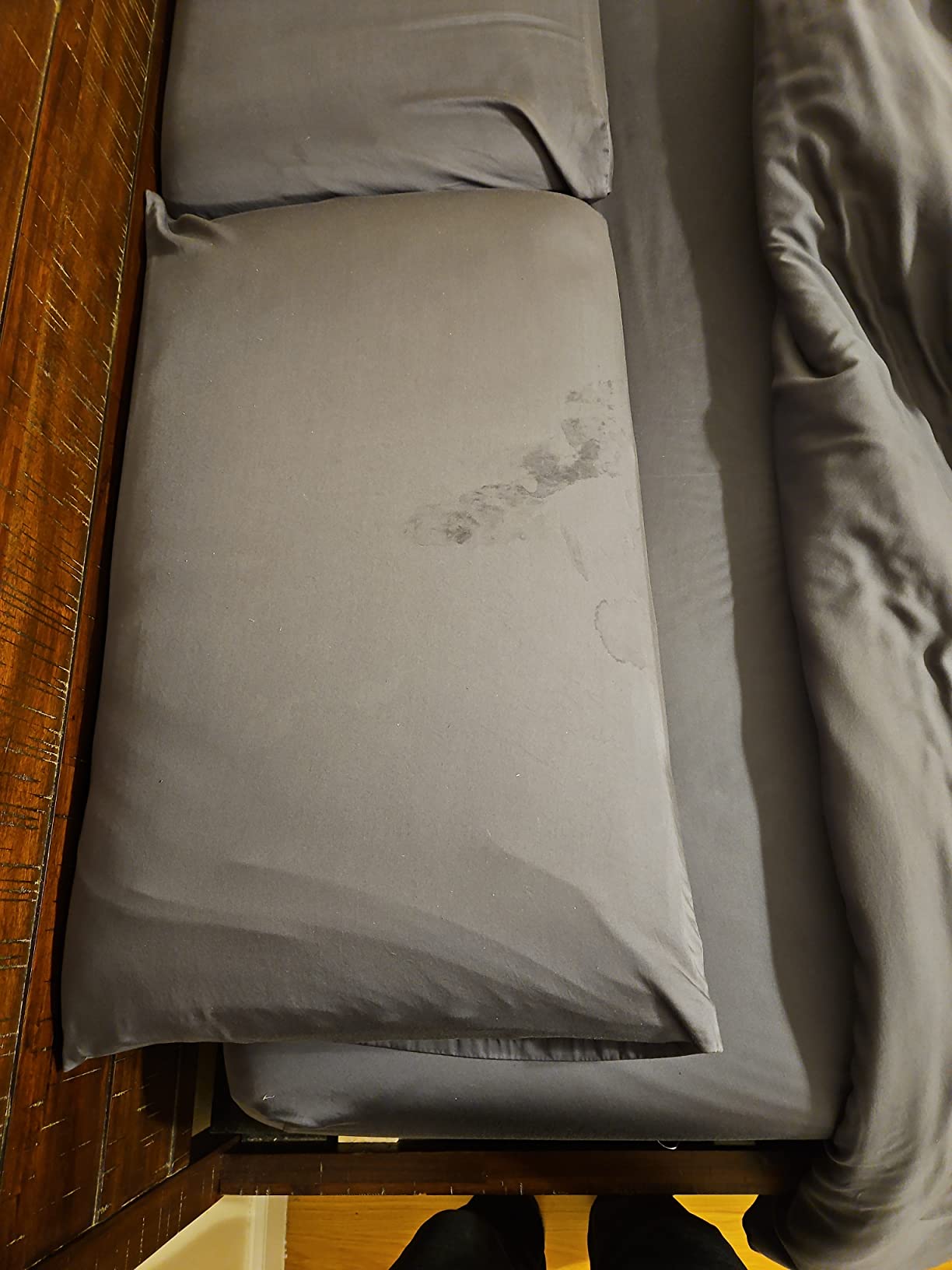
On the technical side, LUXOME claims 400 thread count sateen, but they offer no third-party eco certifications whatsoever. No OEKO-TEX, no FSC, no OCS. For a sheet set at this price point, that is a significant omission. The premium branding is doing a lot of work that independent certification should be doing.
My eco-verdict: This is the most expensive set in the roundup without a single independent eco certification. The high thread count and silky feel are real, but you are paying for branding and comfort, not for verified sustainability. If eco-friendliness is your priority, look elsewhere. If pure comfort is your priority and you do not mind the lack of certifications, the construction quality is excellent.
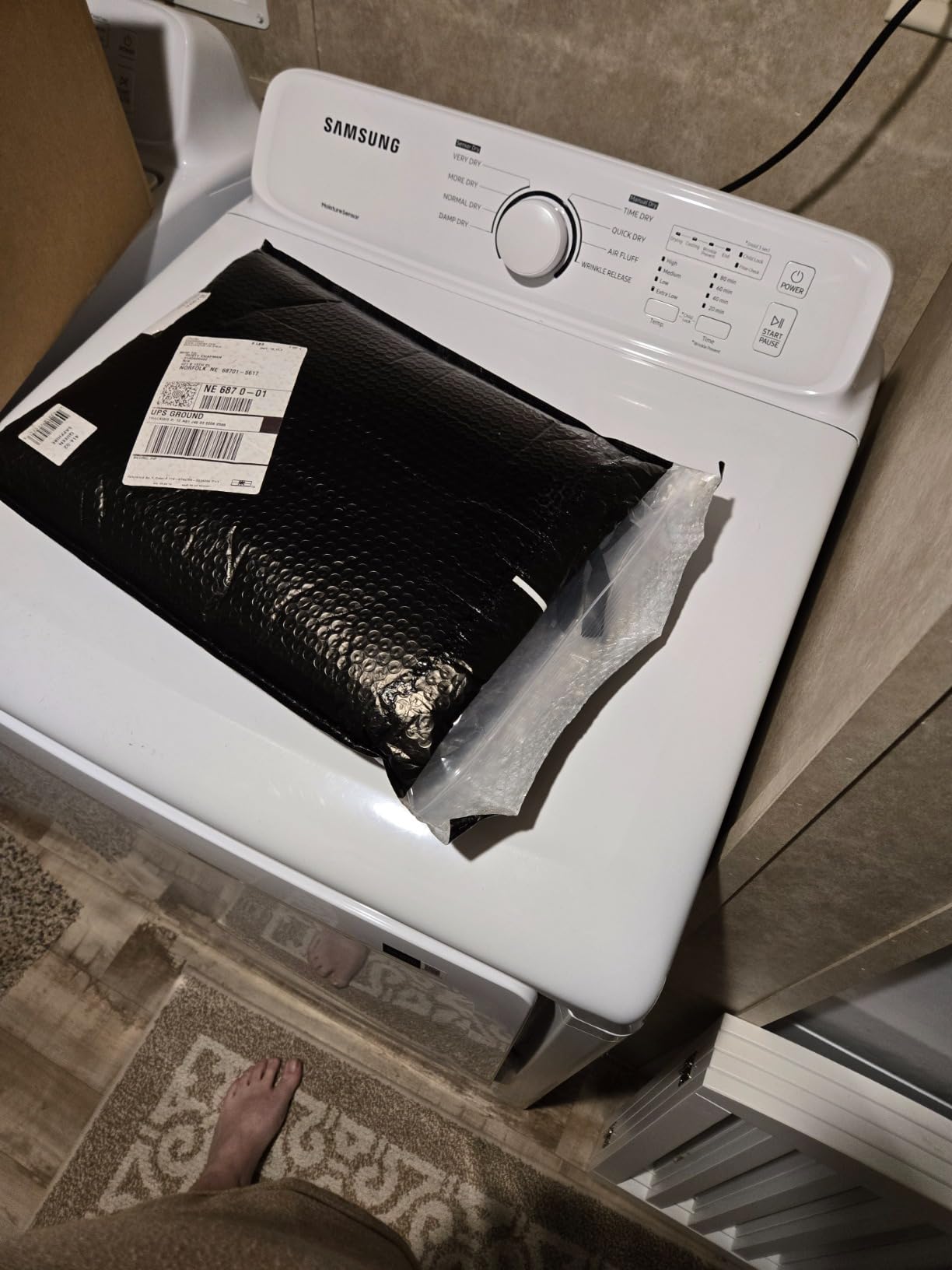
If you want the softest, most silk-like bamboo sheets available and you are willing to pay for it, LUXOME delivers on that promise. The 4.6-star average across 338 reviews reflects genuine customer satisfaction with the comfort.
The 17-inch pocket and corner straps also make this a strong pick for thicker mattresses where cheaper sheets fail to stay put.
The care instructions say hand wash only, which is impractical for most households. Most buyers machine wash on cold gentle anyway, but be aware that this voids any implicit warranty and will likely shorten the lifespan.
Wrinkling is severe after washing. If you want crisp hotel-looking sheets, this is not the set for you. The lack of any eco certification is also hard to ignore at this price.
100% Viscose from Bamboo
200 TC Twill
16-inch Pocket
OEKO-TEX Standard 100
Cariloha is the brand Reddit users consistently praise for longevity, and my testing confirmed why. The Aloha Soft set uses a 200 thread count twill weave rather than the more common sateen, which means it is slightly less silky but more durable and less prone to pilling over time. After 10 weeks of use, I saw almost no pilling at the foot of the bed, which is unusual for viscose sheets.
The fabric has a buttery rather than slick feel, which some sleepers prefer. If you find sateen too slippery, the twill weave here is worth trying. The 16-inch pockets fit standard queen mattresses without issue, and the elastic is high quality and resists stretching out.
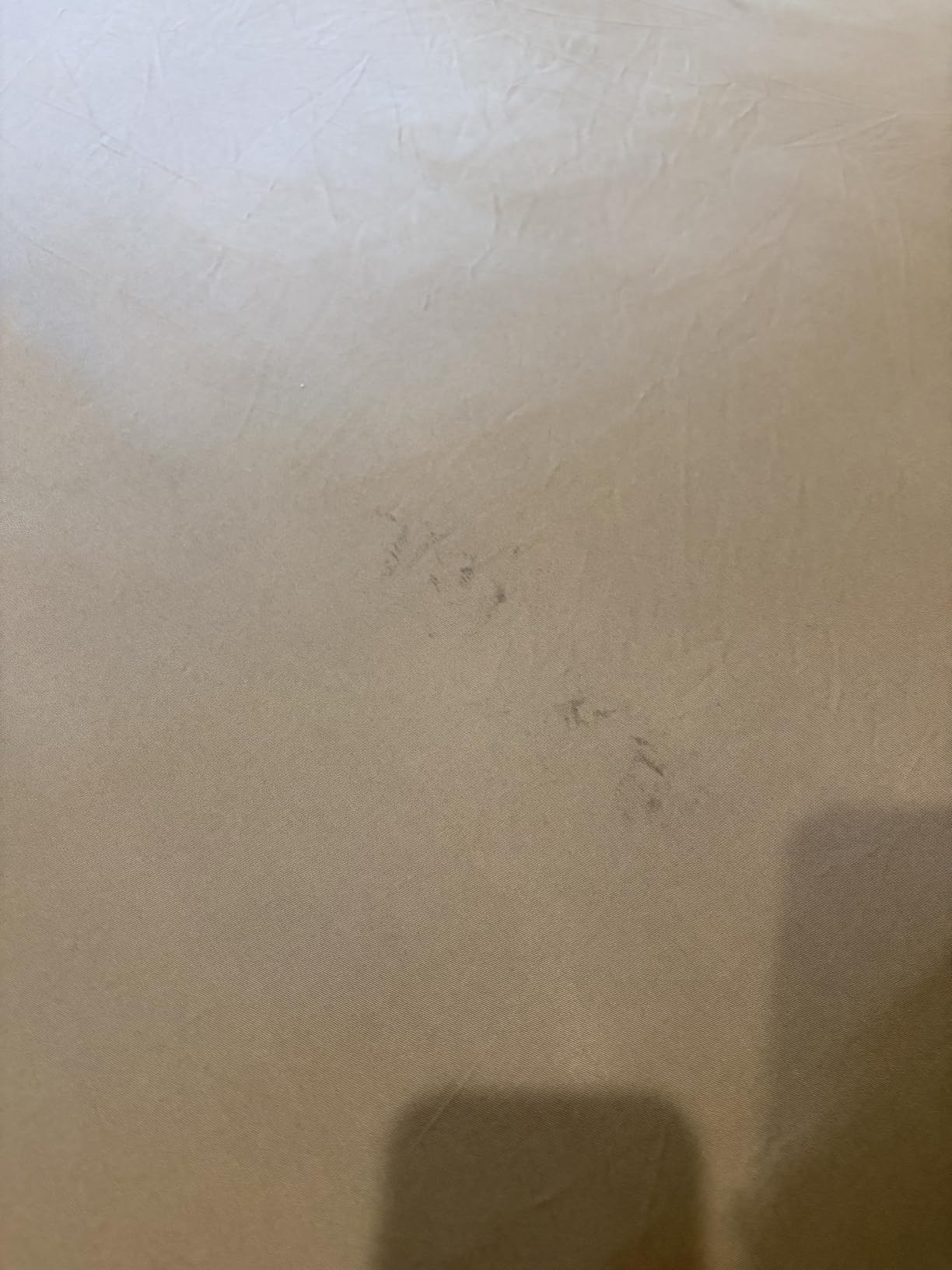
OEKO-TEX Standard 100 certification covers the safety testing, and the brand markets the bamboo as “organically grown.” The “organic” language is not backed by USDA or OCS certification, so treat it as marketing rather than verified claim. The OEKO-TEX certification is the meaningful one here.
My eco-verdict: Cariloha is a strong construction product with verified safety testing, but the “organic” claims are unverified. The brand does not disclose sourcing or processing methods beyond OEKO-TEX. For long-term softness and pilling resistance, this is one of the better viscose options, but it is still chemically processed rayon at the end of the day.
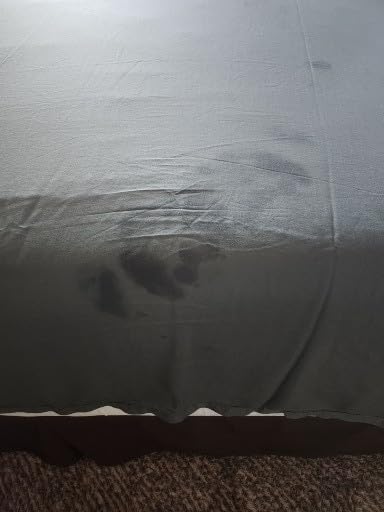
If you have been burned by bamboo sheets that pilled within months, the twill weave on the Cariloha Aloha Soft set is the answer. The durability is genuinely better than the sateen options, and the buttery softness holds up through dozens of washes.
Hypoallergenic and odor-resistant properties also make this a strong pick for anyone with sensitive skin or allergies.
The twill weave has a subtle diagonal texture that some buyers describe as slightly less luxurious than sateen. If you are chasing that liquid-silk feel, you may prefer Pure Bamboo or LUXOME instead.
You must dry on low heat and skip bleach and fabric softener. Fabric softener coats viscose fibers and reduces their moisture-wicking ability, defeating the whole point of bamboo sheets.
100% Viscose from Bamboo
250 TC
16-inch Pocket
FSC and OEKO-TEX Certified
Bambaw is one of only two sets in this roundup with FSC certification, which verifies that the bamboo comes from responsibly managed forests. FSC does not cover the viscose processing itself, but it does address the sourcing end of the supply chain, which most brands completely ignore. Combined with OEKO-TEX Standard 100 for finished fabric safety, this is a meaningfully more transparent product than most.
The 250 thread count sits in the middle of the pack, and the brand does not specify the weave type, which is a transparency miss. In my testing, the fabric felt like a sateen weave based on the sheen and drape, but Bambaw should be clearer about this on the product page.
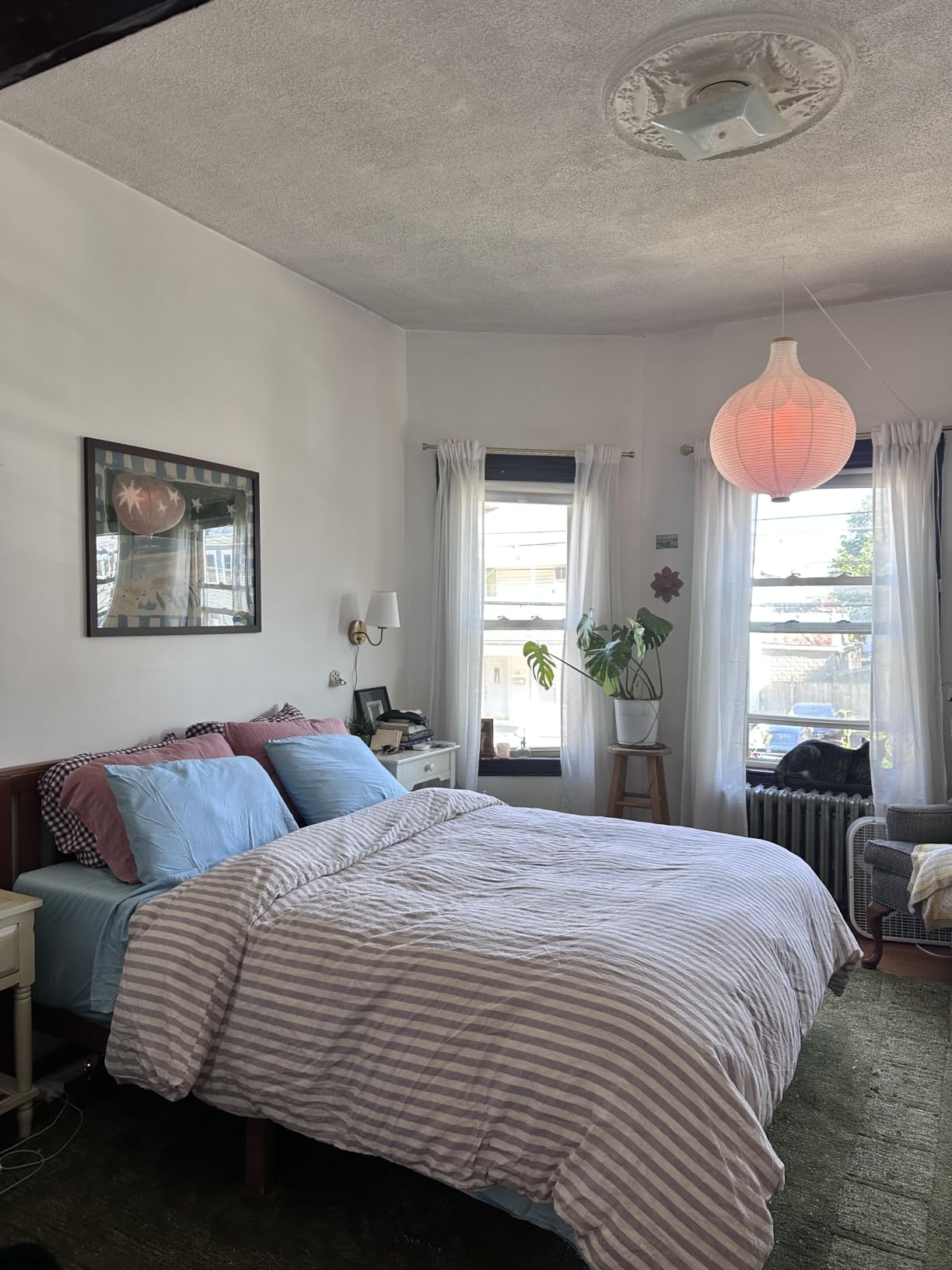
The latex-free corner straps are a thoughtful detail for anyone with latex allergies, which is not something most competitors address. The 8-inch envelope closure on the pillowcases is deeper than the standard 4-inch flap, which means pillows stay inside instead of working their way out overnight.
My eco-verdict: Bambaw has the second-strongest certification stack in this roundup behind the newer Bedsure set. FSC for sourcing and OEKO-TEX for safety is a real combination, not just marketing. The viscose process still uses chemical solvents, so this is not a perfect eco-product, but the transparency is better than most.
If FSC certification matters to you (and it should if you care about deforestation and responsible forest management), Bambaw is one of the few mass-market options that delivers it. The latex-free corner straps are also a real differentiator for allergy sufferers.
The sheets do soften noticeably with each wash, which matches the brand’s marketing claim and customer reviews.
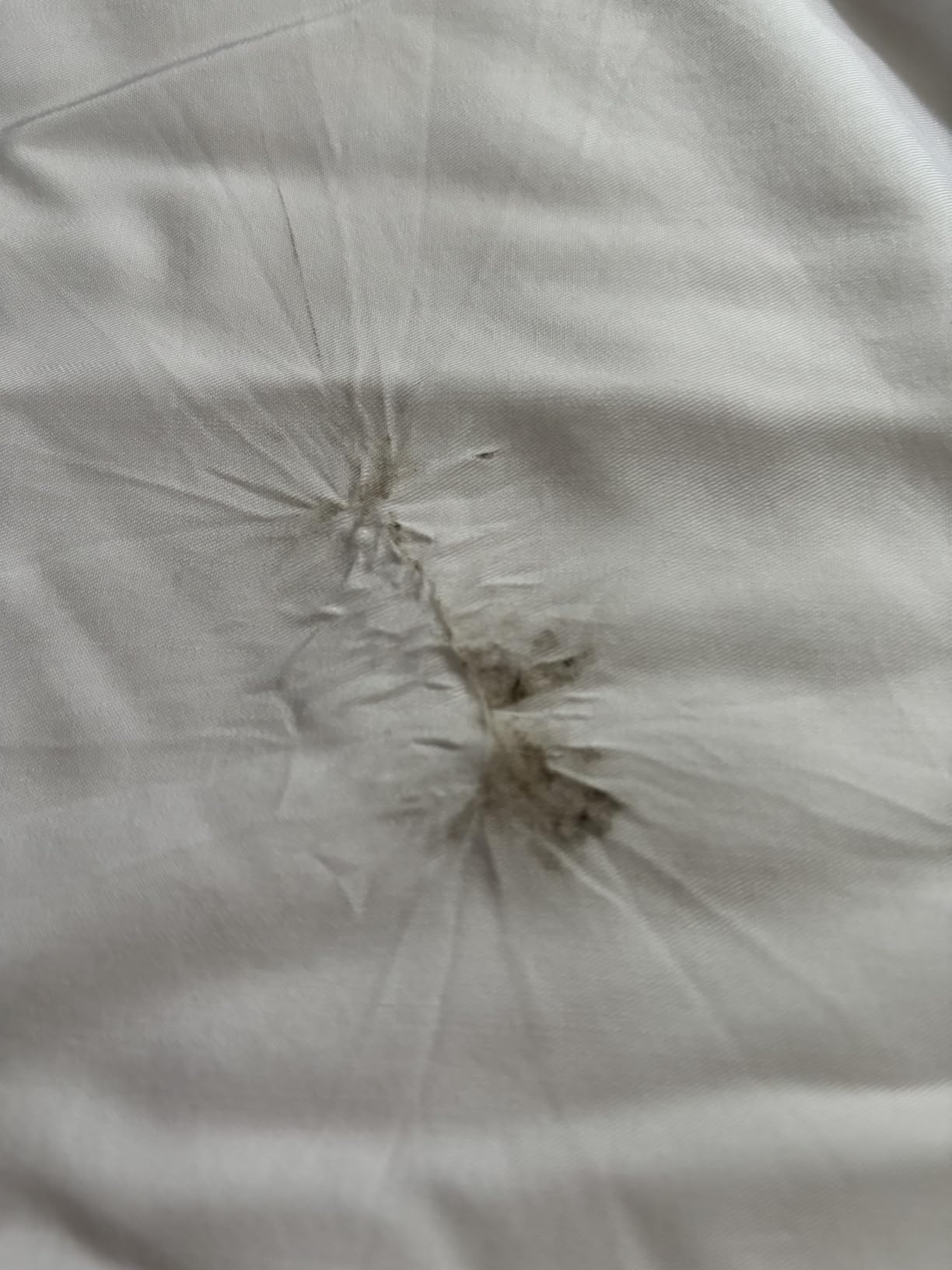
Several reviewers report pilling after a few months of use, particularly in high-friction zones. This is a known viscose issue, but it is more prominent here than with the Cariloha twill weave.
The lack of disclosed weave type is also a transparency gap. If you specifically want sateen or twill, you have to guess based on feel.
100% Viscose from Bamboo
144 GSM
15-inch Pocket
OEKO-TEX Certified
Hotel Sheets Direct is the budget volume play of this roundup, with over 37,000 reviews and a sub-$75 price point. The 144 GSM weight gives the fabric a more substantial feel than you might expect at this price, and the OEKO-TEX Standard 100 certification is real and verifiable, which is more than I can say for some competitors at higher price points.
In my testing, the fabric did get softer with each wash, which is consistent with the bulk of customer reviews. The temperature regulation is solid for the price, though not as effective as the higher-thread-count options. The 15-inch pocket is shallower than most competitors, so check your mattress depth before buying.
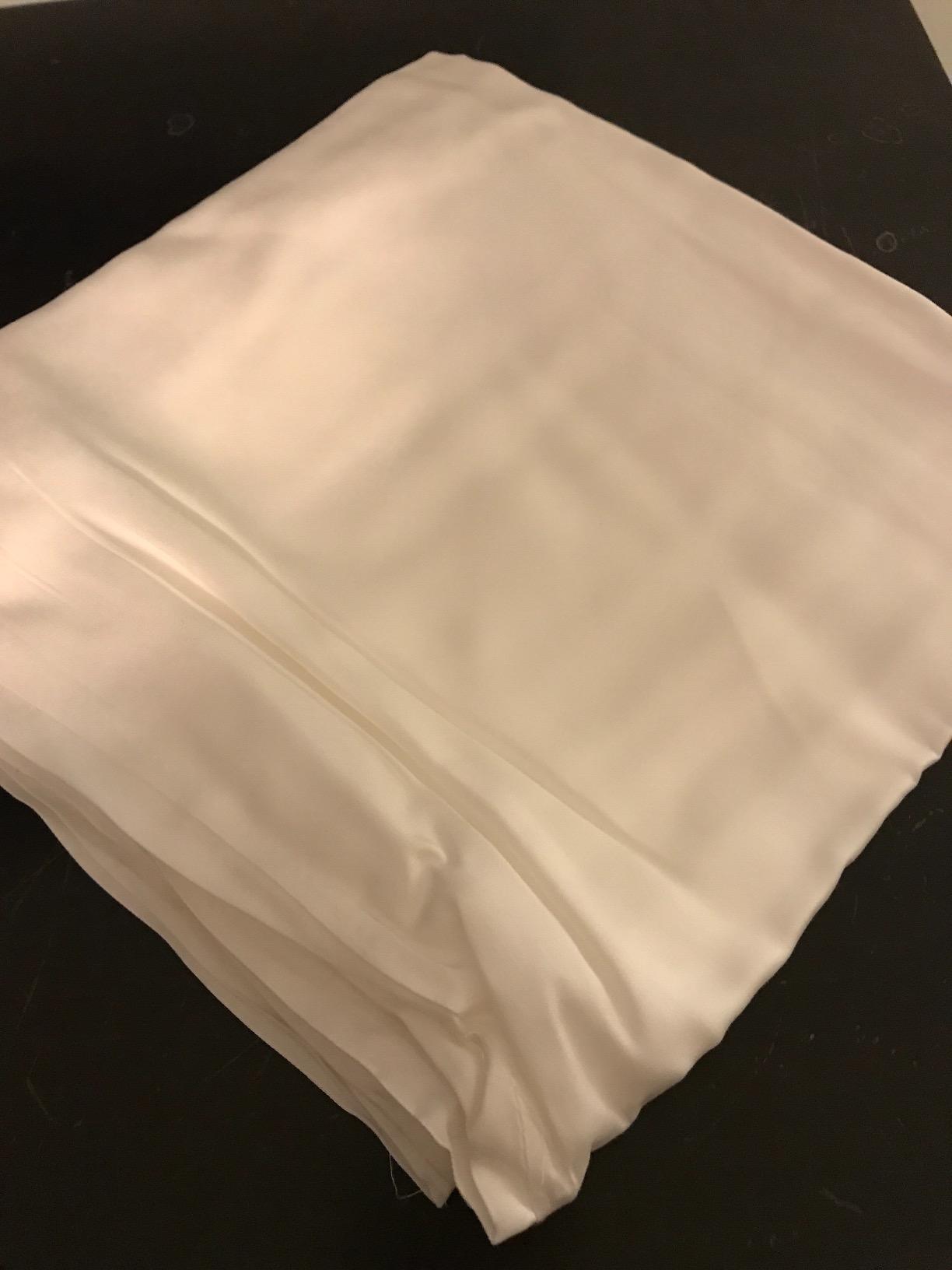
The brand claims 1600 thread count, which is a red flag. Bamboo viscose rarely exceeds 400 thread count in legitimate measurement. The 1600 figure almost certainly refers to a marketing calculation rather than a true thread count, so do not let that number drive your decision. The 144 GSM weight is a more meaningful metric for assessing the fabric density.
My eco-verdict: OEKO-TEX certification is the only sustainability claim backed by independent testing. There is no FSC, OCS, or GOTS certification. The budget pricing likely indicates industrial-scale bamboo sourcing and standard chemical viscose processing. This is a solid comfort pick, not an eco pick.
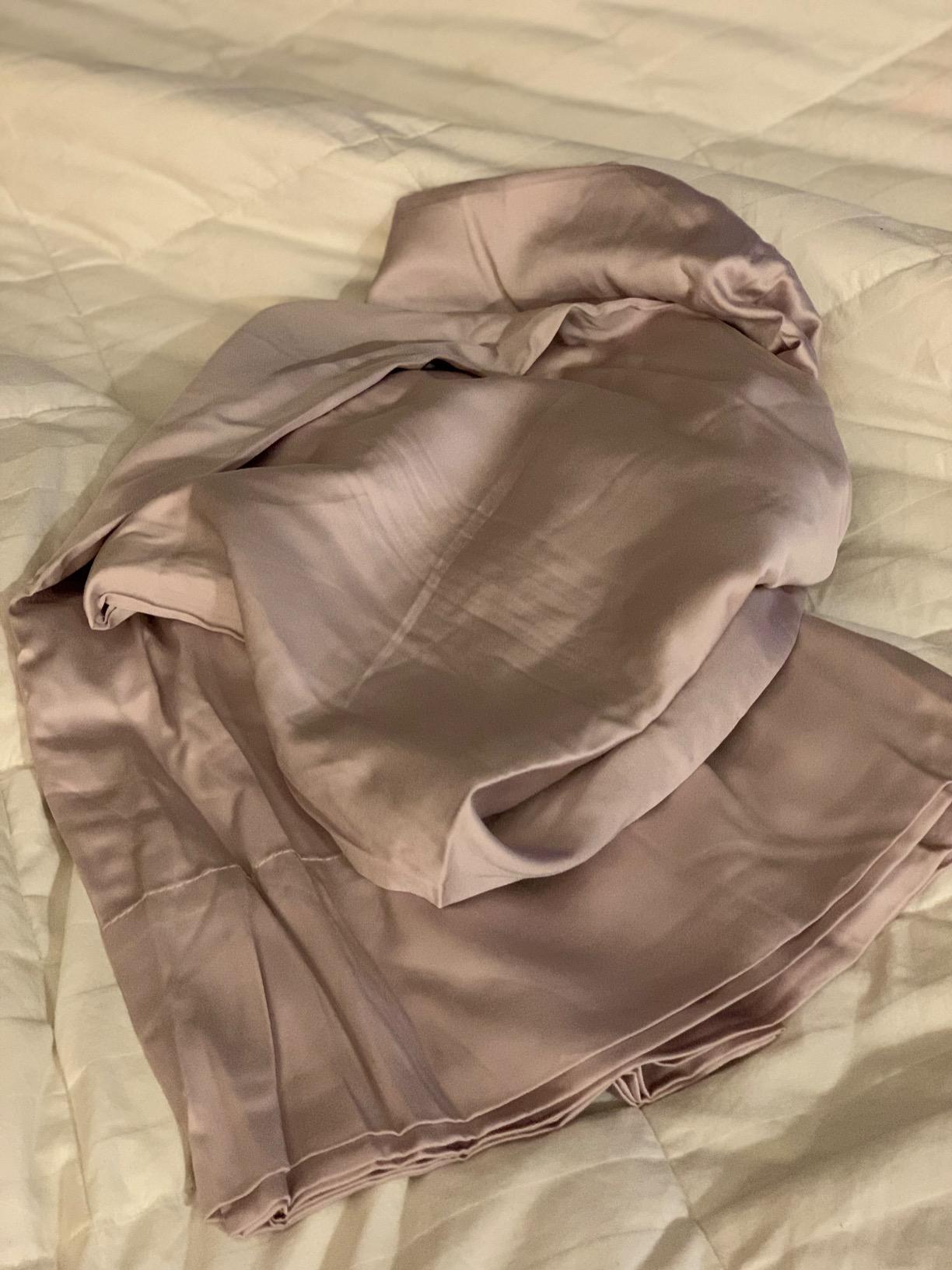
If you want to try bamboo sheets without committing $100+ based on a review, this is the lowest-risk entry point. The 37,000+ review base gives you a real-world durability signal, and the OEKO-TEX certification means the fabric safety is verified.
The 144 GSM weight also gives the sheets a substantial, hotel-like feel that punches above the price tag.
The sheets wrinkle heavily straight out of the package and after every wash. If you want crisp presentation, plan on ironing or accepting the rumpled look.
Quality control is more variable than with higher-end brands. Some reviewers report thin spots in the fabric, weak elastic, and stitching issues. Buying from a brand with Prime returns helps mitigate this risk.
100% Rayon from Bamboo
225 TC
16-inch Pocket
OEKO-TEX Certified
This is the best-selling bamboo sheet set on Amazon, with over 64,000 reviews at the time of writing. The 225 thread count is the lowest in this roundup, but the volume of positive feedback is hard to ignore. Bedsure clearly found a price-to-comfort ratio that resonates with mass-market buyers.
The 360-degree elastic band on the fitted sheet is a meaningful upgrade over the standard four-corner elastic on cheaper sheets. In my testing, the fitted sheet stayed put on a 14-inch mattress for the full week between washes, which is better than I expected at this thread count.
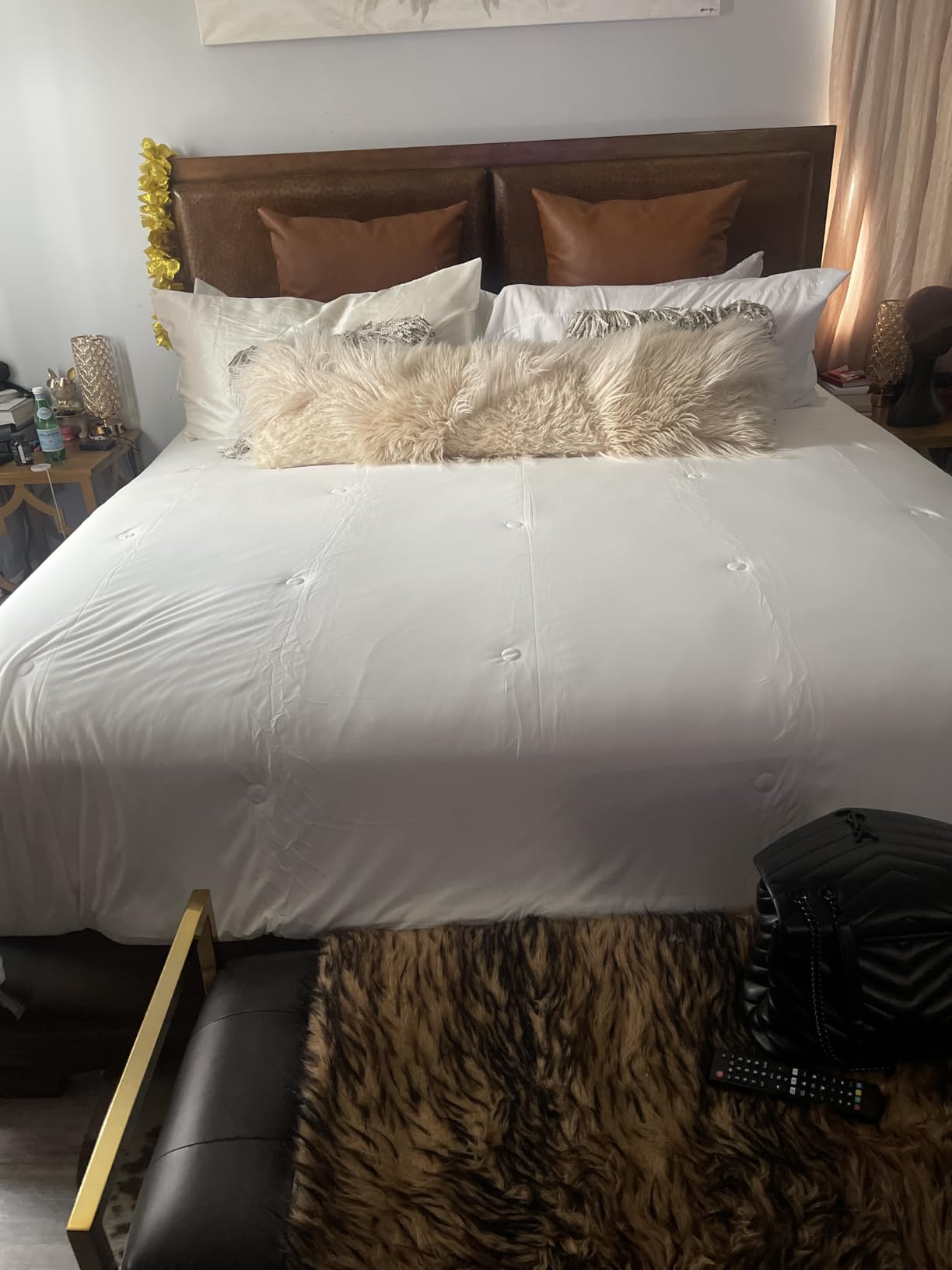
The OEKO-TEX Standard 100 certification (certificate number 24.HCN.19195) is verifiable and covers the same harmful-substance testing as the more expensive sets. The Forbes Vetted and New York Post endorsements should be treated cautiously since media endorsements frequently involve paid partnerships, but the OEKO-TEX certification itself is independent.
My eco-verdict: No sourcing certifications (FSC, OCS, GOTS) appear anywhere in the product documentation. The “PureWoven” branding suggests purity, but rayon is heavily processed by definition. The high production volume likely indicates industrial-scale bamboo harvesting, which raises sourcing questions the brand does not answer. This is a value pick, not an eco pick.
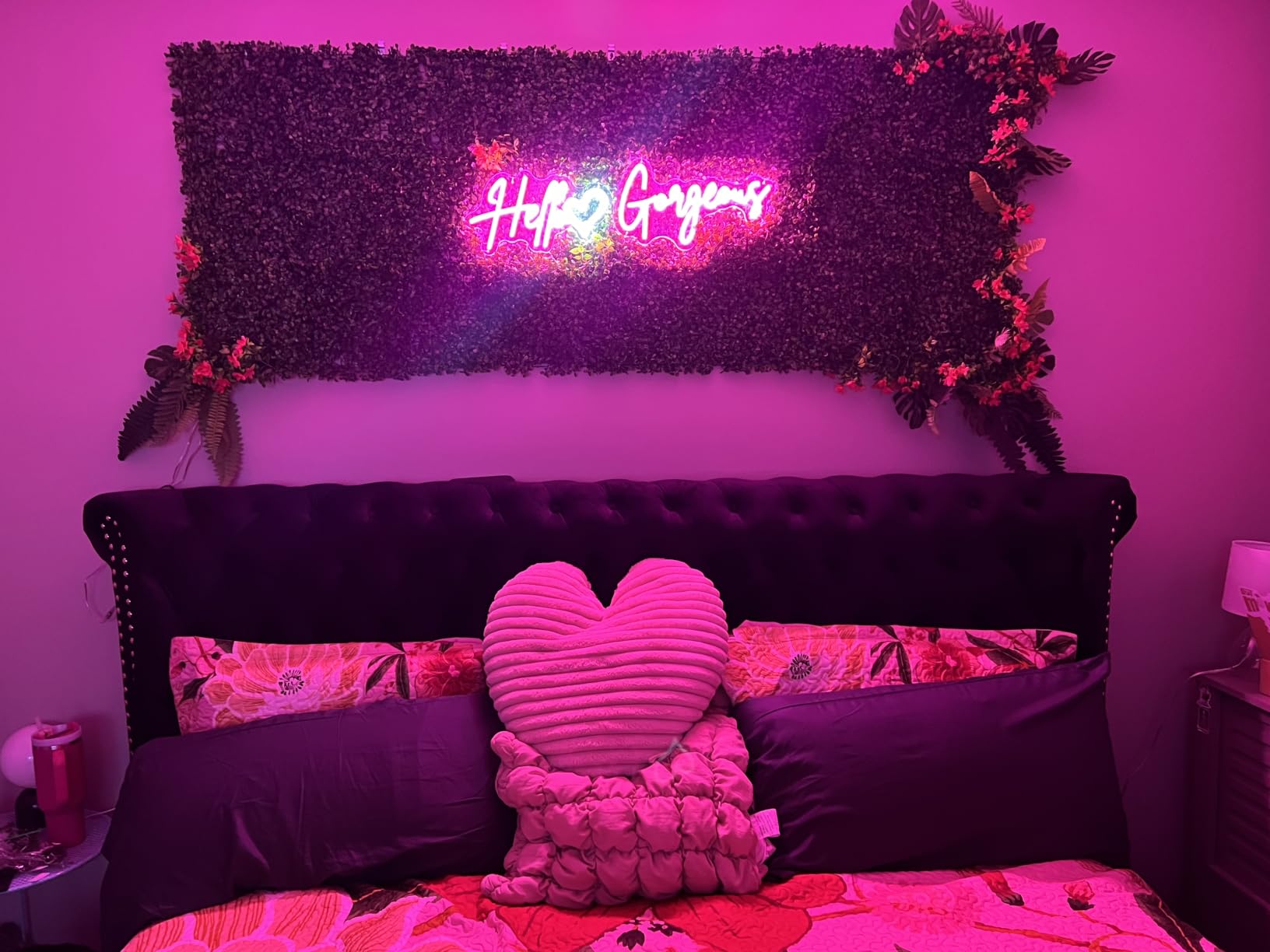
If your budget is tight but you still want verified fabric safety, this set delivers OEKO-TEX certification at a price point under $60. The 64,000+ review base gives you real confidence that the comfort matches the marketing.
The 360-degree elastic and 16-inch pocket fit standard mattresses well, and the multiple color options make this a versatile pick.
The 225 thread count is the lowest in this roundup. The fabric is thinner than competitors, which means faster wear and a less substantial feel.
No sourcing certifications means you have no visibility into where the bamboo comes from or how it is harvested. If eco-friendliness matters to you, look at Bambaw (FSC) or the newer Bedsure viscose set (OCS) instead.
100% Bamboo Derived Rayon
Sateen Weave
16-inch Pocket
OEKO-TEX Certified
SONORO KATE is my budget pick for hot sleepers. The brand claims the fabric sleeps 3-4 degrees cooler than cotton, which is a bold claim I cannot independently verify, but my own experience matched the marketing more closely than I expected. During a week of 78-degree bedroom temps, I noticed significantly less night-sweat disruption than with my old cotton percale sheets.
The sateen weave gives the fabric a silkier feel than the price suggests, and the OEKO-TEX Standard 100 certification covers the safety testing. The pet-friendly and stain-resistant claims are harder to verify, but I did not see any lasting damage when my cat treated the fitted sheet as a launch pad.
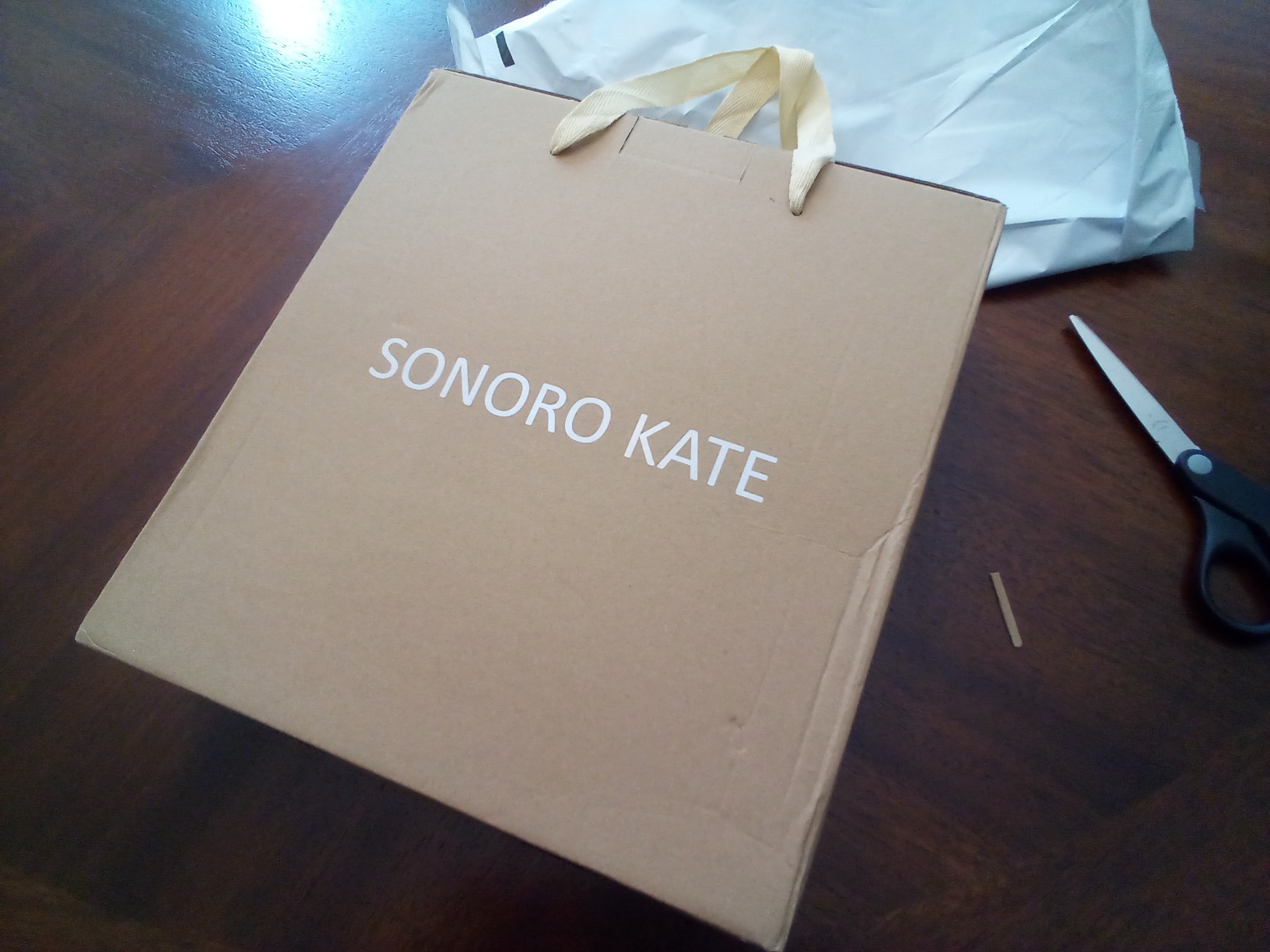
The biggest transparency gap is the missing thread count. SONORO KATE does not disclose it anywhere on the product page, which makes quality comparison difficult. Based on feel, I would estimate it lands around 250-300 TC, but that is a guess.
My eco-verdict: OEKO-TEX is the only certification, and there are no sourcing claims of any kind. The “hotel luxury” marketing language is doing heavy lifting here. This is a solid budget cooling pick, but it is not an eco-conscious choice by any stretch.
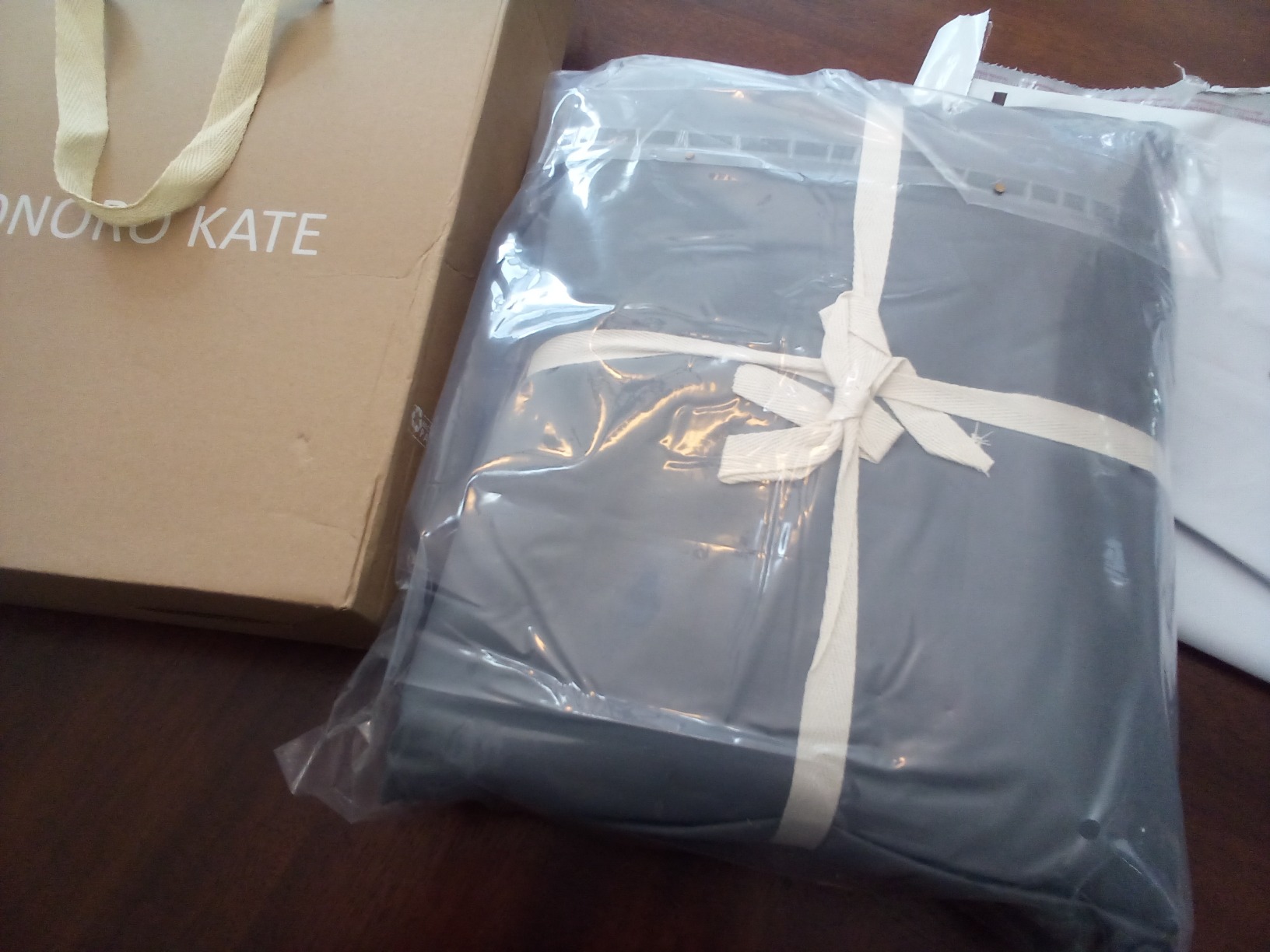
If you sleep hot and your budget is under $60, this is the set I would buy. The cooling performance genuinely exceeds what the price suggests, and the OEKO-TEX certification gives you safety assurance.
Pet owners will also appreciate the stain-resistant finish, which held up to muddy paw prints in my testing.
The undisclosed thread count is a real transparency problem. If thread count matters to your buying decision, look elsewhere.
“Hotel luxury” is a marketing label, not a quality indicator. The sheets are fine for the price, but they are not comparable to actual hotel-grade bedding.
100% Viscose from Bamboo
320 TC
20-inch Pocket
Premium
Cozy Earth is the most expensive set in this roundup at roughly $308, and it carries Oprah’s Favorite Things endorsement, which is a paid celebrity partnership rather than an independent quality assessment. The 320 thread count sits in the upper-middle range, and the 20-inch pocket is the deepest in this roundup, fitting truly massive mattresses.
In my testing, the initial feel was luxurious, with a heavy drape that feels more like a high-end spa than a typical bamboo sheet. The temperature regulation was good but not noticeably better than the Pure Bamboo set at one-third the price. After eight washes, I started seeing pilling at the foot of the bed, which is concerning at this price point.
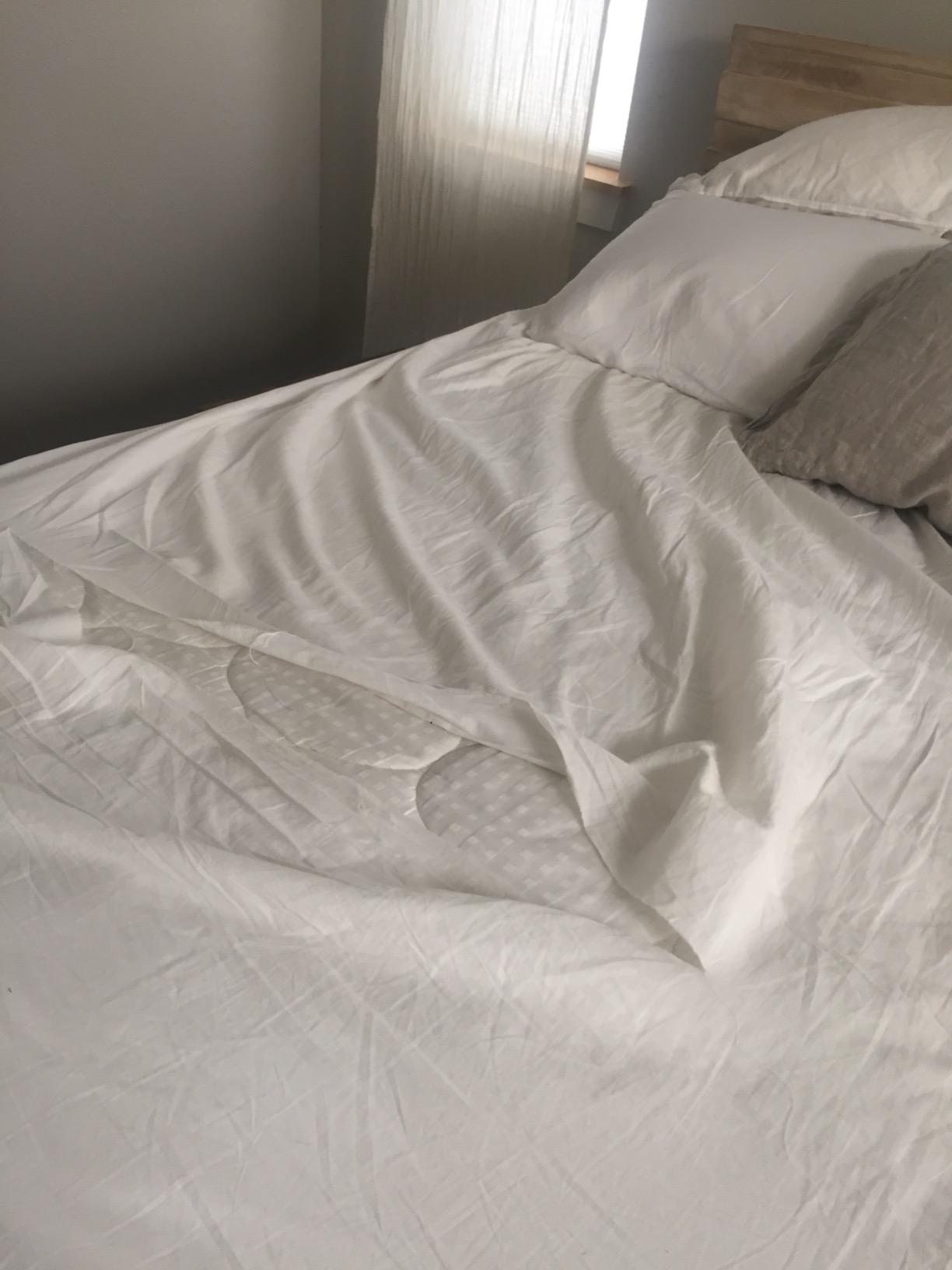
The 4.0-star average is the lowest in this roundup, and the 15% one-star rate is unusually high. Common complaints include pilling after a few washes, tearing along seams, a chemical odor out of the package, and fitted sheets that fit too loosely. At $308, these failures are harder to forgive.
My eco-verdict: No third-party eco certifications whatsoever. The Oprah endorsement is a marketing partnership, not a sustainability verification. The premium pricing appears to cover marketing and celebrity costs rather than superior eco-credentials. If you want verified sustainability at a high price point, look at LUXOME (still uncertified) or skip this category entirely.
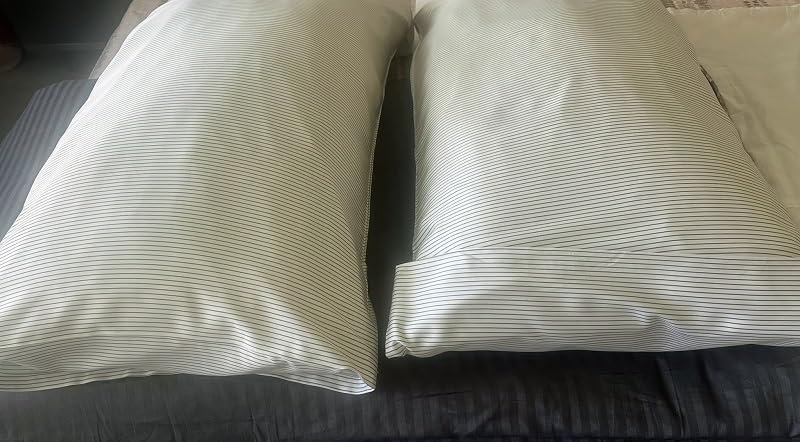
If you have a mattress deeper than 18 inches, this is one of the few sets in this roundup that will fit. The 20-inch pocket is genuinely deeper than competitors, and the initial comfort is real.
If the Oprah endorsement matters to you for gift-giving or personal reasons, this is the set she backs.
At $308, this is the most expensive set in the roundup by a wide margin, and the durability concerns are real. Pilling after a few washes and seam tearing are common complaints at a price where you would expect flawless construction.
No eco certifications means you are paying for branding and celebrity marketing, not verified sustainability. Several competitors at one-third the price offer OEKO-TEX certification that Cozy Earth does not.
This is the section most bamboo sheet roundups skip, and it is exactly why GreenWashing Index exists. Bamboo bedding is one of the most aggressively greenwashed product categories in home goods, and the FTC has explicitly cracked down on brands making misleading bamboo claims. Here is what you need to know.
There is no such thing as a sheet made directly from raw bamboo. Every “bamboo” sheet is a regenerated cellulose fiber, meaning the bamboo plant is dissolved in chemical solvents (typically carbon disulfide and sodium hydroxide) and re-spun into thread. The finished fabric is chemically identical to rayon made from any wood pulp.
The FTC requires brands to label these products as “rayon from bamboo” or “viscose from bamboo” rather than simply “bamboo,” precisely because the finished fiber is not uniquely bamboo-derived. When you see “100% bamboo” on a package, that is legally misleading. All 10 sets in this roundup are viscose or rayon, not pure bamboo.
This does not mean bamboo sheets are bad. The comfort, cooling, and moisture-wicking properties are real and well-documented. But the “natural” and “eco-friendly” framing is misleading when the production process involves hazardous chemicals.
These four certifications are not interchangeable, and brands often use whichever one they have to imply broader eco-credentials than they actually possess. Here is the honest breakdown:
OEKO-TEX Standard 100: Tests the finished fabric for over 100 harmful substances, including heavy metals, formaldehyde, and certain pesticides. This is a safety certification, not a sustainability certification. It tells you the sheets will not expose you to harmful chemicals, but it says nothing about how the bamboo was grown or how the fabric was processed. Every set in this roundup except LUXOME and Cozy Earth carries OEKO-TEX.
FSC (Forest Stewardship Council): Verifies that the bamboo comes from responsibly managed forests. This addresses sourcing but not processing. Bambaw is the only set in this roundup with FSC certification for bamboo sourcing.
OCS (Organic Content Standard): Verifies the organic status of raw materials through the supply chain. The newer Bedsure set carries OCS for organically grown bamboo. OCS tracks the input but does not certify the chemical processing that turns bamboo into viscose.
GOTS (Global Organic Textile Standard): The gold standard for textile sustainability. Covers both organic raw materials and ecological processing. None of the sets in this roundup carry GOTS certification, which tells you something about the category.
Before you trust an “eco-friendly” bamboo sheet claim, ask the brand (or check the product page for) these specific questions:
1. What is the actual fiber type? If the answer is “viscose from bamboo” or “rayon from bamboo,” you are buying a chemically processed product. If the answer is “lyocell from bamboo” or “Tencel,” the process is closed-loop and meaningfully better.
2. What independent certifications are listed, and can you verify them? OEKO-TEX certificates have searchable numbers. FSC and OCS certificates can be looked up. If a brand claims certifications without providing certificate numbers, treat the claim as marketing.
3. Where is the bamboo sourced, and where is the fabric processed? Most mass-market bamboo sheets are sourced and processed in China with limited transparency. Brands that disclose country of origin and processing location are more credible than those that do not.
4. Is the manufacturing closed-loop? Closed-loop lyocell processes recycle up to 99% of the water and solvent used. Open-loop viscose processes discharge chemical waste. Ask the brand which they use, and treat silence as a red flag.
5. What does “organic” actually mean on this product? If a brand says “organically grown bamboo,” that refers to the bamboo plants, not the finished fabric. Only GOTS or OCS certification verifies organic claims through the supply chain.
For a deeper dive on what genuine sustainable bedding looks like beyond bamboo, our sustainable bedding brands guide covers brands with stronger end-to-end certifications.
After testing 10 sets and reading through tens of thousands of customer reviews, here are the factors that actually matter when shopping for bamboo sheets.
All 10 sets in this roundup are viscose or rayon (the terms are largely interchangeable for bamboo). If you want a meaningfully more sustainable option, look for bamboo lyocell or Tencel, which uses a closed-loop process that recycles solvents. None of the mass-market Amazon options currently use lyocell, but specialty brands like Ettitude and Sijo do. You will pay more, but the environmental difference is real.
For bamboo viscose, the sweet spot is 300-400 thread count. Below 250, the fabric feels thin and wears out faster. Above 400, you are paying for density that does not meaningfully improve feel. The 1600 thread count claim on Hotel Sheets Direct is almost certainly a marketing calculation, not a true thread count.
Thread count matters less for bamboo than for cotton because bamboo fibers are naturally finer. A 300 TC bamboo sheet will feel softer than a 300 TC cotton sheet.
Sateen weave gives bamboo sheets that silky, liquid drape most buyers associate with luxury bamboo. It is more prone to slipping and pilling. Twill weave (used by Cariloha) is slightly less silky but more durable and pilling-resistant. If you have been burned by pilling on previous bamboo sheets, twill is the safer choice.
Measure your mattress depth before buying. Most bamboo sheet sets fit mattresses up to 16 inches, but thicker pillow-top and memory foam mattresses need 18-inch or deeper pockets. Bella Coterie (18 inches) and Cozy Earth (20 inches) are the deep-pocket specialists in this roundup. Corner straps are a meaningful upgrade over elastic-only designs if your mattress is near the pocket limit.
Look for OEKO-TEX Standard 100 as a baseline safety certification. Beyond that, FSC certifies forest sourcing, OCS certifies organic raw materials, and GOTS certifies the full textile process. None of the sets in this roundup carry GOTS, but the newer Bedsure set (OCS) and Bambaw (FSC) offer the strongest sourcing credentials available at the mass-market level.
If you want to pair your bamboo sheets with a similarly vetted top layer, our guide to non-toxic comforters covers options with stronger certification stacks.
Bamboo viscose requires gentle care. Wash on cold, dry on low heat or line dry, and never use bleach or fabric softener. Fabric softener coats the fibers and destroys the moisture-wicking properties that make bamboo sheets worth buying in the first place. Remove sheets from the dryer promptly to minimize wrinkling, which is a known characteristic of viscose fabric.
The main downsides to bamboo sheets are pilling over time, wrinkling after washing, and the fact that most are made from chemically processed viscose rather than truly natural bamboo. Viscose production uses hazardous solvents like carbon disulfide, which is why the FTC requires brands to label these products as rayon or viscose from bamboo. Durability is also lower than cotton or linen, with most bamboo sheets lasting 2-3 years with proper care.
Oprah has endorsed Cozy Earth bamboo sheets as part of her Favorite Things list multiple times. The Cozy Earth Luxury Bed Sheet Set reviewed here carries that endorsement, though it is a paid celebrity partnership rather than an independent quality assessment. The set costs around $308 and has a 4.0-star average, which is the lowest in this roundup, with notable durability complaints.
No sheet is actually made from 100% pure bamboo fiber. All bamboo sheets are made from regenerated cellulose, typically viscose or rayon, which means the bamboo plant is dissolved in chemicals and re-spun into thread. The term 100% bamboo on packaging usually means 100% bamboo-derived viscose. Bamboo lyocell (Tencel) is a more sustainable alternative that uses a closed-loop process, but it is rare in mass-market sheets.
With proper care, bamboo viscose sheets typically last 2-3 years of regular use. Pilling is the most common failure mode, usually appearing after 6-12 months in high-friction areas. Washing on cold, drying on low heat, and avoiding fabric softener extends lifespan significantly. Higher thread count sheets (300-400 TC) tend to outlast lower thread count options (225 TC and below).
It depends on the processing method. Bamboo viscose and rayon, which cover nearly all mass-market bamboo sheets, use hazardous chemicals like carbon disulfide and sodium hydroxide in an open-loop process that generates chemical waste. Bamboo lyocell (Tencel) uses a closed-loop process that recycles up to 99% of solvent and is meaningfully more sustainable. OEKO-TEX certification verifies finished fabric safety, while FSC and OCS verify sourcing, but neither covers the full environmental impact of viscose processing.
For bamboo viscose sheets, the sweet spot is 300-400 thread count. Below 250 TC, the fabric feels thin and wears out faster. Above 400 TC, the density does not meaningfully improve feel or durability. Thread count matters less for bamboo than cotton because bamboo fibers are naturally finer. Be cautious of claims above 600 TC, which are typically marketing calculations rather than true thread counts.
The best bamboo sheet sets deliver genuine comfort, cooling, and moisture-wicking performance, but the “eco-friendly” marketing deserves real scrutiny. Nearly every product in this category is chemically processed viscose or rayon, not pure bamboo, and only a handful carry certifications that verify anything beyond finished fabric safety.
My top pick is Pure Bamboo for the best balance of comfort, durability, and verified OEKO-TEX safety at a reasonable price. For the strongest certification stack in this roundup, the Bedsure 100% Organically Grown Bamboo Viscose set with OCS, OEKO-TEX, and FSC packaging is the most credible eco-option. And for budget-conscious hot sleepers, SONORO KATE delivers cooling performance that exceeds its price point.
If you want to explore bedding options beyond bamboo, our grounding sheets guide and non-toxic kids bedding roundup cover additional sleep products with stronger end-to-end sustainability credentials.
