

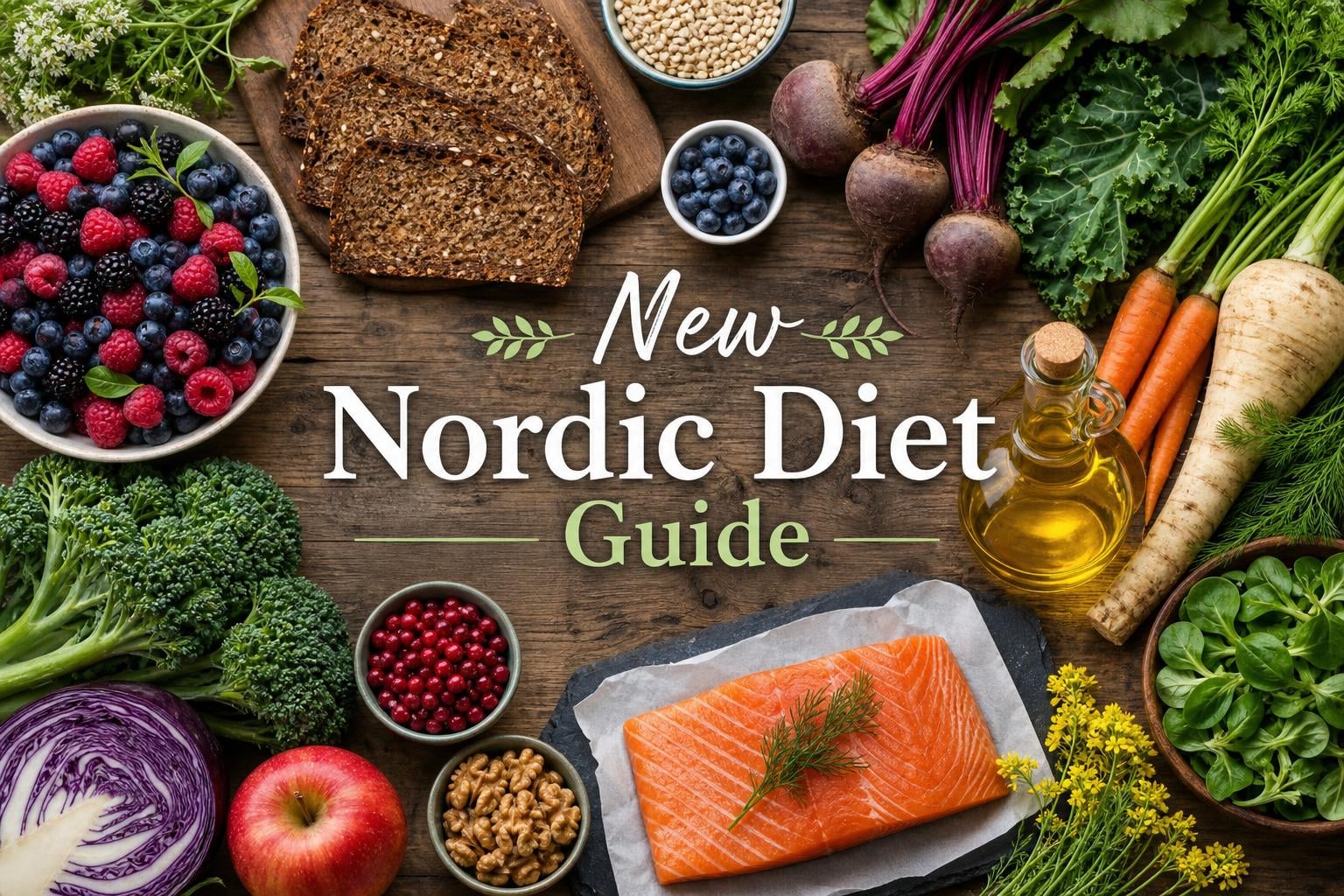
If you have been searching for a way of eating that supports your heart, your waistline, and the planet all at once, the New Nordic Diet deserves your attention in 2026. Developed in 2004 by a team of Scandinavian chefs, nutritionists, and scientists, this dietary approach was designed as a northern alternative to the Mediterranean diet. It leans on ingredients that thrive in cold Nordic climates, think oily fish, dense rye bread, foraged berries, and root vegetables grown in mineral-rich soil. The result is a way of eating that feels grounded, satisfying, and surprisingly accessible once you understand the framework.
What sets the New Nordic Diet apart from other eating plans is its dual focus on human health and environmental sustainability. The Nordic Council of Ministers backed the original research, and the most recent Nordic Nutrition Recommendations published in 2023 reinforced many of the same principles. Studies have linked this eating pattern to lower blood pressure, reduced inflammation markers, and meaningful weight loss without calorie counting. In December 2025, National Geographic highlighted research showing a 22 percent lower risk of premature death among those who closely follow Nordic dietary patterns.
Throughout this guide, we will walk you through the origins, the science, the essential foods, the recipes, and a complete seven-day meal plan. Whether you live in Copenhagen or a small town far from Scandinavia, the principles translate beautifully to any kitchen stocked with whole, seasonal ingredients.
The New Nordic Diet was born from a deliberate effort to define a healthy, sustainable, and culturally meaningful eating pattern for the Nordic region. In 2004, Rene Redzepi of Noma restaurant fame collaborated with nutritionist Claus Meyer and a group of food scientists to draft what became the New Nordic Food Manifesto. Their goal was to create a dietary framework that championed local, seasonal ingredients over imported foods while delivering measurable health benefits. The manifesto outlined ten dietary guidelines that emphasized whole grains, cabbage and root vegetables, berries, wild foods, and sustainable seafood.

The Nordic Nutrition Recommendations updated in 2023 reinforced these same priorities while adding stronger language about reducing red meat consumption and prioritizing plant-forward meals. This update reflected a growing body of evidence showing that diets high in vegetables, legumes, and whole grains consistently outperform meat-heavy diets for both longevity and environmental impact. The recommendations also stressed minimizing processed foods, added sugars, and foods high in sodium.
The defining foods of the New Nordic Diet are those that naturally flourish in cold, northern climates. These ingredients are nutrient-dense, environmentally efficient to grow, and deeply woven into Scandinavian food culture.
What makes these foods powerful is not novelty but consistency. Eating them regularly, in place of processed convenience foods, delivers a steady stream of nutrients that the body can actually absorb and use efficiently.
Clean eating within the Nordic framework is not about deprivation or rigid rules. It is about choosing foods that are as close to their natural state as possible and respecting the seasons. This means picking apples in autumn rather than importing strawberries in January, and choosing whole-grain rye over refined white flour.
The manifesto also encourages reducing food waste, a principle that aligns naturally with Nordic cultural values of thrift and respect for resources. Leftovers become tomorrow’s lunch, vegetable scraps become stock, and composting closes the loop on what cannot be eaten. For more practical strategies on this topic, our guide on food waste reduction offers actionable tips that pair well with Nordic eating.
Organic and minimally processed foods are prioritized not because they are trendy but because they retain more of their original nutritional value. Cold-pressed rapeseed oil, for example, retains antioxidants and a favorable fatty acid profile that highly refined versions lose during processing.
The ten dietary guidelines from the original manifesto can be summarized as follows: eat more fruits and vegetables every day, eat whole grains, choose fish and seafood several times per week, use rapeseed oil as the primary fat, reduce red meat and choose lean options, choose dairy in moderation, eat foods with less salt and sugar, drink water, be physically active, and eat seasonal and local foods whenever possible.
Also Read: Rice Composting: Ultimate Guide to Nutrient-Rich Soil
The health benefits of the New Nordic Diet are backed by a growing body of peer-reviewed research. Multiple controlled studies have demonstrated measurable improvements in cardiovascular risk factors, metabolic health, and body composition when participants adopt this eating pattern for even a few months. The evidence is strong enough that institutions like the Harvard T.H. Chan School of Public Health, HEART UK, and the Cleveland Clinic have all highlighted the Nordic diet as a heart-healthy dietary pattern.
The most influential study on the New Nordic Diet is the OPUS study, a large randomized controlled trial conducted in Denmark. Published in the Journal of Internal Medicine by Poulsen and colleagues in 2014, the study followed adults with increased waist circumferences who ate either the New Nordic Diet or an average Danish diet for 26 weeks. The results were striking and have been cited over 290 times in subsequent research.
Participants on the New Nordic Diet lost an average of 10.4 pounds, while those on the average Danish diet lost only about 3 pounds. Systolic blood pressure dropped by 5.1 mmHg more in the Nordic diet group compared to the control group. Diastolic blood pressure also improved significantly. These changes occurred without explicit calorie restriction, suggesting that the quality of the food itself drove the improvements.
Follow-up analyses revealed additional benefits. C-reactive protein, a marker of systemic inflammation, decreased meaningfully in Nordic diet participants. Insulin sensitivity improved, pointing to potential protective effects against Type 2 diabetes. The Apo B to Apo A1 ratio, a strong predictor of cardiovascular events, also shifted in a favorable direction.
Cardiovascular protection is one of the best-documented benefits of the New Nordic Diet. The high intake of omega-3 fatty acids from cold-water fish helps lower triglycerides and reduce arrhythmia risk. Soluble fiber from oats, barley, and rye binds to cholesterol in the digestive tract and helps remove it from the body, which can lower LDL cholesterol levels over time.
Chronic inflammation underlies many modern diseases, from arthritis to heart disease to certain cancers. The New Nordic Diet has earned recognition as an anti-inflammatory eating pattern, and the Cleveland Clinic specifically highlights this benefit. Several components of the diet contribute to its inflammation-fighting properties.
Berries, particularly blueberries and lingonberries, are rich in anthocyanins that directly reduce inflammatory cytokine production. Fatty fish provide EPA and DHA, which are precursors to anti-inflammatory signaling molecules. Cruciferous vegetables like cabbage and kale contain sulforaphane, a compound that activates cellular defense pathways against oxidative stress.
The reduction in processed foods, refined sugars, and excess sodium that naturally occurs when you adopt the Nordic approach also removes many of the dietary triggers that promote inflammation in the first place. People with joint pain, skin conditions, and autoimmune tendencies often report symptom improvement after several weeks of consistent adherence.
The connection between diet and mental health has gained serious scientific attention. The New Nordic Diet appears to support cognitive function and emotional balance through multiple mechanisms. Omega-3 fatty acids from fish are incorporated into neuronal cell membranes and support synaptic plasticity. B vitamins from whole grains serve as cofactors in neurotransmitter synthesis, including serotonin and dopamine production.
Research highlighted by National Geographic in December 2025 found that individuals closely following Nordic dietary patterns not only had a 22 percent lower risk of premature death but also reported better sleep quality. Stable blood sugar from low-glycemic foods may reduce nighttime awakenings, while the magnesium content of whole grains and leafy greens supports the parasympathetic nervous system activity needed for restful sleep.
Reddit users who have adopted the diet echo these findings. One member of r/DecidingToBeBetter reported feeling amazing, sleeping better, and having significantly more daytime energy after switching to a Nordic-style eating pattern.
Also Read: Composting Cheese: Can It Be Done? Complete Guide
Stocking a Nordic-inspired kitchen is simpler than you might expect, even if you live nowhere near Scandinavia. The key is focusing on categories of whole foods rather than hunting for specific imported items. Once you have the foundational ingredients on hand, building meals becomes intuitive.

Whole grains: Oats, barley, rye, and dark sourdough breads like rugbrod form the carbohydrate foundation. They deliver sustained energy, soluble fiber for cholesterol management, and a satisfying chew that keeps meals feeling substantial.
Fresh and preserved seafood: Salmon, mackerel, herring, trout, and cod should appear on your menu at least three times per week. Stock smoked, pickled, and frozen options so you always have fish available even on busy days.
Root vegetables: Carrots, beets, turnips, parsnips, and potatoes store well and form the base of soups, roasts, and sides. They are inexpensive, filling, and packed with potassium and fiber.
Berries: Fresh or frozen blueberries, lingonberries, cloudberries, and raspberries. Frozen berries retain their antioxidant content and work perfectly in porridge, smoothies, and baked goods.
Legumes: Brown beans, peas, and lentils provide plant-based protein and fiber. In Nordic cuisine, brown beans are a traditional accompaniment to pork dishes, while split yellow peas form the base of classic Swedish pea soup.
Dairy: Skyr yogurt, aged cheeses, and cultured milk products from grass-fed animals. Skyr in particular delivers a high-protein, low-sugar cultured dairy option that works equally well at breakfast or as a snack.
Canola and rapeseed oil: This is the defining fat of the Nordic diet, just as olive oil defines the Mediterranean diet. Cold-pressed rapeseed oil contains high levels of alpha-linolenic acid, an omega-3 fatty acid, and a favorable ratio of omega-3 to omega-6. It also has a high smoke point, making it versatile for both cooking and dressings.
Cruciferous vegetables and leafy greens: Cabbage in all forms, kale, Brussels sprouts, and spinach. Fermented cabbage, such as sauerkraut, adds probiotics alongside its vitamin content.
Herbs, mushrooms, and seaweed: Fresh dill, chives, thyme, and juniper berries bring brightness without excess salt. Forest mushrooms like chanterelles add umami depth, and seaweed contributes minerals like iodine that are often lacking in modern diets.
Fermented foods: Pickled herring, fermented fish, cultured dairy, and lacto-fermented vegetables. These foods carry probiotic bacteria that support gut health and represent a food preservation tradition that predates refrigeration by centuries.
Nordic cuisine achieves remarkable flavor complexity with relatively few ingredients. The secret lies in layering techniques rather than piling on components. Smoking, pickling, fermenting, and curing all transform simple ingredients into something memorable.
Try cold-smoking fish or cheese for a deep, woodsy flavor that needs no sauce. Quick-pickle sliced cucumber or red onion in a mixture of vinegar, water, and a few juniper berries for a bright condiment that cuts through rich dishes. Fermenting cabbage at home takes only salt, time, and patience, and the result surpasses anything from a store shelf.
Experiment with herbs beyond parsley. Dill transforms a simple potato salad. Juniper berries crushed into a rub for venison or duck create an aroma that is unmistakably Scandinavian. Fresh horseradish, grated just before serving, wakes up roasted beets or cured salmon.
Replace sugar with fruit wherever possible. Sweetened oat porridge with mashed berries needs no honey. Roasted root vegetables caramelized in their own natural sugars satisfy without added sweeteners. When you do want sweetness, a small amount of dark maple syrup or honey from local hives complements rather than overwhelms.
Also Read: Flexitarian Diet Explained: Easy Guide for Beginners
Just as important as knowing what to eat is understanding what to minimize. The New Nordic Diet is not about strict prohibition, but it does ask you to significantly reduce or eliminate certain categories of food that undermine both health and sustainability goals.
The goal is not perfection but consistent patterns. If 80 to 90 percent of your meals come from whole, Nordic-aligned foods, the occasional treat will not derail your progress.
This is one of the most frequently asked questions about the New Nordic Diet, and for good reason. Both diets are consistently ranked among the healthiest in the world. Both emphasize whole foods, vegetables, fish, and healthy fats. The differences are nuanced but meaningful, and choosing between them comes down to geography, personal preference, and specific health goals.
In practice, many people blend elements of both diets, using olive oil for dressings and rapeseed oil for cooking, eating berries in winter and tomatoes in summer. This flexible approach echoes the flexitarian diet philosophy of treating dietary principles as guidelines rather than rigid laws.
Recipes are where dietary principles become daily reality. The following dishes are straightforward, use accessible ingredients, and showcase the clean flavors that define Scandinavian cooking at its best.

Nordic Morning Porridge with Skyr and Berries
Ingredients:
Steps:
This bowl provides protein from skyr, complex carbohydrates from oats, and a concentrated dose of antioxidants from the berries. It keeps you full for hours and takes less than fifteen minutes to prepare.
Oven-Baked Salmon with Dill Potatoes and Cabbage Slaw
Ingredients:
Steps:
This meal showcases everything the New Nordic Diet does well: omega-3-rich fish, fiber-packed potatoes and cabbage, heart-healthy rapeseed oil, and the fresh brightness of dill. It feels like a restaurant plate but requires minimal effort.
Open-faced sandwiches, known as smorrebrod in Danish, are the quintessential Nordic lunch. Start with a thick slice of dark rye bread, then layer with toppings such as smoked salmon and cucumber, pickled herring with onion, hard-boiled egg with shrimp, or roasted beet with goat cheese. A dab of mustard, some fresh dill, and a squeeze of lemon are all the embellishment you need.
These sandwiches are endlessly customizable, use up leftover ingredients, and pack easily for work. They also naturally control portions, since the bread serves as a base rather than two slices enclosing a heavy filling.
Also Read: Vegan Lifestyle Benefits: Saving Earth with Every Bite
Sustainability is not a footnote in the New Nordic Diet. It is a founding principle that shapes every food recommendation. The original manifesto explicitly stated that dietary choices should consider environmental impact alongside nutrition and taste, a perspective that was ahead of its time in 2004 and remains highly relevant in 2026.
The environmental case for the Nordic diet rests on several pillars, each of which reduces the carbon footprint of your daily meals without requiring radical lifestyle changes.
Research has estimated that shifting toward a Nordic-style diet could reduce the carbon footprint of food consumption by roughly 25 to 30 percent compared to typical Western eating patterns. That is a meaningful impact achieved purely through everyday food choices.
By choosing foods grown closer to home, in their proper season, and with less processing, you naturally reduce the resources required to feed yourself. This is sustainability that does not feel like sacrifice but rather like common sense.
Also Read: Food Waste Reduction: Simple Tips for Major Impact
A seven-day meal plan is one of the most practical tools for putting the New Nordic Diet into action. Rather than counting calories or weighing portions, this plan focuses on variety, whole-food quality, and balanced macronutrients at every meal. Each day includes three meals built around Nordic dietary principles, using ingredients that are widely available regardless of where you live.

Monday
Tuesday
Wednesday
Thursday
Friday
Saturday
Sunday
For snacks throughout the week, keep it simple: a handful of nuts, an apple, carrot sticks with hummus, or a small bowl of berries with yogurt. Drink water or unsweetened tea with meals, and enjoy coffee in moderation. Treats are fine occasionally, perhaps a small piece of dark chocolate or a homemade oat cake on the weekend.
This plan delivers a balanced intake of protein, healthy fats, complex carbohydrates, and fiber every day. It is intentionally flexible so you can swap proteins, exchange one root vegetable for another, and adapt portion sizes to your own hunger and activity level.
A common concern about the New Nordic Diet is cost. A study published in PMC found that the New Nordic Diet can be approximately 24 to 25 percent more expensive than the average Danish diet. This finding has generated discussion on Reddit and other forums, where users worry that fresh seafood, berries, and organic produce are inaccessible for many households.
The good news is that the cost premium is not inevitable. Many of the most fundamental Nordic foods are also among the most affordable. Oats, barley, dried peas, lentils, cabbage, carrots, beets, and potatoes cost very little and form the bulk of the diet. Frozen fish and frozen berries are typically much cheaper than fresh equivalents while retaining full nutritional value. Dark rye bread baked at home costs a fraction of what artisan loaves sell for.
Strategies for keeping costs manageable include buying grains and legumes in bulk, shopping at farmers markets for seasonal produce, choosing less expensive fish like herring and mackerel over premium salmon, and learning preservation techniques so you can buy in season when prices are lowest. Cooking at home rather than eating out is the single biggest cost saver, and the Nordic diet is designed around simple home cooking rather than specialty ingredients.
If the 25 percent cost premium concerns you, remember that the comparison is against a baseline of cheap, highly processed convenience foods. When measured against the long-term costs of poor health, the investment in whole-food nutrition pays dividends that are difficult to quantify but impossible to ignore.
Use this quick-reference guide when grocery shopping or planning meals. These are the foods that form the foundation of the New Nordic Diet.
Fish and seafood (aim for 2 to 3 times per week): Salmon, mackerel, herring, trout, cod, sardines, shrimp. Fresh, frozen, smoked, or pickled all count.
Whole grains (daily): Oats, rye, barley, whole wheat, dark sourdough bread, crispbread.
Vegetables (fill half your plate): Cabbage, kale, Brussels sprouts, carrots, beets, turnips, parsnips, potatoes, leeks, onions, mushrooms.
Berries and fruits (daily): Blueberries, lingonberries, cloudberries, raspberries, strawberries, apples, pears, plums.
Legumes and nuts (several times per week): Lentils, split peas, brown beans, cannellini beans, almonds, walnuts, hazelnuts, pumpkin seeds, sunflower seeds.
Dairy (in moderation): Skyr, yogurt, cultured milk, aged cheeses. Choose products from grass-fed animals when possible.
Fats and oils: Cold-pressed rapeseed or canola oil as the primary cooking fat. Small amounts of butter, nuts, and seeds for additional fat.
Herbs and flavorings: Fresh dill, chives, parsley, thyme, juniper berries, horseradish, seaweed, apple cider vinegar, mustard.
Transitioning to the New Nordic Diet does not require an overnight overhaul. Small, consistent changes produce better long-term results than dramatic resets. Here are practical steps to begin.
Start by swapping your bread. Replace white bread and standard wheat loaves with dark rye or whole-grain sourdough. This single change dramatically increases your fiber intake and improves blood sugar response at every meal that includes bread.
Add fish to your weekly routine twice. Pick accessible options like canned mackerel, frozen salmon fillets, or pickled herring. You do not need expensive fresh fish to get the benefits of omega-3 fatty acids.
Introduce one new Nordic ingredient per week. Try skyr for breakfast one week, make a lentil soup the next, and experiment with rapeseed oil in your cooking the week after that. Gradual exposure builds familiarity without overwhelm.
Build your meals around vegetables first. Before deciding what protein or starch to cook, plan which vegetables will anchor the plate. This shifts the mental framework from meat-centered to plant-centered eating without making it feel restrictive.
Finally, remember that perfect adherence is not the goal. Forum users and researchers alike note that the Mediterranean diet comparison studies show benefits even with moderate compliance. The same applies to the Nordic diet. If you follow the principles 80 percent of the time, you will see meaningful results.
The New Nordic Diet is a dietary pattern developed in 2004 by Scandinavian chefs, nutritionists, and scientists as a northern alternative to the Mediterranean diet. It emphasizes locally sourced whole foods including cold-water fish, whole grains like rye and oats, root vegetables, berries, legumes, and rapeseed oil as the primary fat. The diet was formalized in the New Nordic Food Manifesto, which outlined ten dietary guidelines focused on health, sustainability, and seasonal eating.
Yes, research indicates the New Nordic Diet has significant anti-inflammatory effects. Studies show that participants following the diet experienced measurable reductions in C-reactive protein, a key marker of systemic inflammation. The anti-inflammatory benefits come from high intakes of omega-3 fatty acids from fish, anthocyanins from berries, and sulforaphane from cruciferous vegetables, combined with the reduction of processed foods and added sugars that promote inflammation.
Both diets rank among the healthiest in the world and produce similar improvements in cardiovascular health. The main differences are the primary fat source, with the Nordic diet using rapeseed oil and the Mediterranean diet using olive oil, and the types of produce emphasized. The Nordic diet features berries, rye, and cold-climate root vegetables, while the Mediterranean diet favors citrus, tomatoes, and warm-climate grains. Both are effective, so choose based on ingredient availability and personal preference.
Yes, the Nordic diet has credible scientific backing for weight loss. In the OPUS study, a large randomized controlled trial, participants lost an average of 10.4 pounds over 26 weeks without explicit calorie counting. The weight loss is attributed to the high satiety provided by fiber-rich whole grains, vegetables, and legumes, along with the replacement of processed foods with whole-food alternatives.
The Nordic approach to weight loss focuses on food quality rather than calorie restriction. The method involves eating primarily whole, minimally processed foods including fish, whole grains, berries, root vegetables, and legumes, while significantly reducing processed meats, added sugars, refined grains, and fast food. The high fiber and protein content of these foods naturally controls hunger and reduces overall calorie intake.
Absolutely. The New Nordic Diet is already highly plant-forward, and replacing fish and meat with additional legumes, nuts, seeds, and dairy alternatives is straightforward. Lentils, split peas, brown beans, and oats provide ample protein, while berries and vegetables cover vitamin and mineral needs. For more guidance on plant-based eating that complements the Nordic approach, see our complete u003ca href=u0022https://www.greenwashingindex.com/vegetarian-diet-guide/u0022u003evegetarian diet guideu003c/au003e.
The diet recommends minimizing processed meats like sausages and bacon, foods high in added sugars including soda and candy, ultra-processed convenience meals, refined grains such as white bread and standard pasta, sugary beverages, and excess alcohol. These foods displace the nutrient-dense whole foods that the diet is built around and are linked to increased risks of heart disease, diabetes, and obesity.
Several factors contribute to the generally good health of Scandinavian populations, including dietary patterns rich in fish, whole grains, and vegetables, high rates of physical activity, strong social safety nets, and access to quality healthcare. The traditional Nordic diet itself is associated with lower rates of cardiovascular disease, improved metabolic health, and research showing a 22 percent lower risk of premature death among those who closely follow it.
In the OPUS study, participants lost an average of 10.4 pounds over 26 weeks. Individual results vary based on starting weight, activity level, and adherence. The diet supports sustainable weight loss because it naturally reduces calorie intake through high-fiber, high-protein foods that promote satiety without requiring strict calorie counting or portion control.
The 3-3-3 rule is not specifically part of the New Nordic Diet, but it is a simple eating framework that some people use alongside Nordic principles. It generally refers to eating three balanced meals per day, including three food groups per meal such as protein, complex carbohydrates, and vegetables, and not going more than three hours between meals and snacks. This approach helps maintain stable blood sugar and prevents overeating.
The New Nordic Diet offers a refreshingly grounded approach to eating well in 2026. It is built on whole foods that have sustained Scandinavian populations for generations, validated by modern research, and designed to protect the planet alongside your health. The OPUS study demonstrated real, measurable results: meaningful weight loss, lower blood pressure, reduced inflammation, and improved cholesterol profiles, all achieved without rigid calorie counting or expensive supplements.
What makes this eating pattern sustainable for the long term is its flexibility and emphasis on food quality over restriction. You can adapt it to vegetarian preferences, modify it for the ingredients available in your region, and adjust portion sizes to match your appetite and activity level. The seven-day meal plan and food list in this guide give you everything you need to start this week.
If you take away one message from this New Nordic Diet guide, let it be this: eat more whole grains, more fish, more vegetables, and more berries. Cook at home using simple, seasonal ingredients. Minimize processed foods and added sugars. These straightforward principles, repeated meal after meal, day after day, are what produce lasting health outcomes. The Nordic diet is not a quick fix but rather a return to eating the way humans have eaten for centuries, with intention, seasonality, and respect for the food that nourishes us.
Ready to begin? Start with one Nordic-inspired meal tomorrow morning, perhaps a bowl of oat porridge with berries and skyr, and see how satisfying real food can be.
