
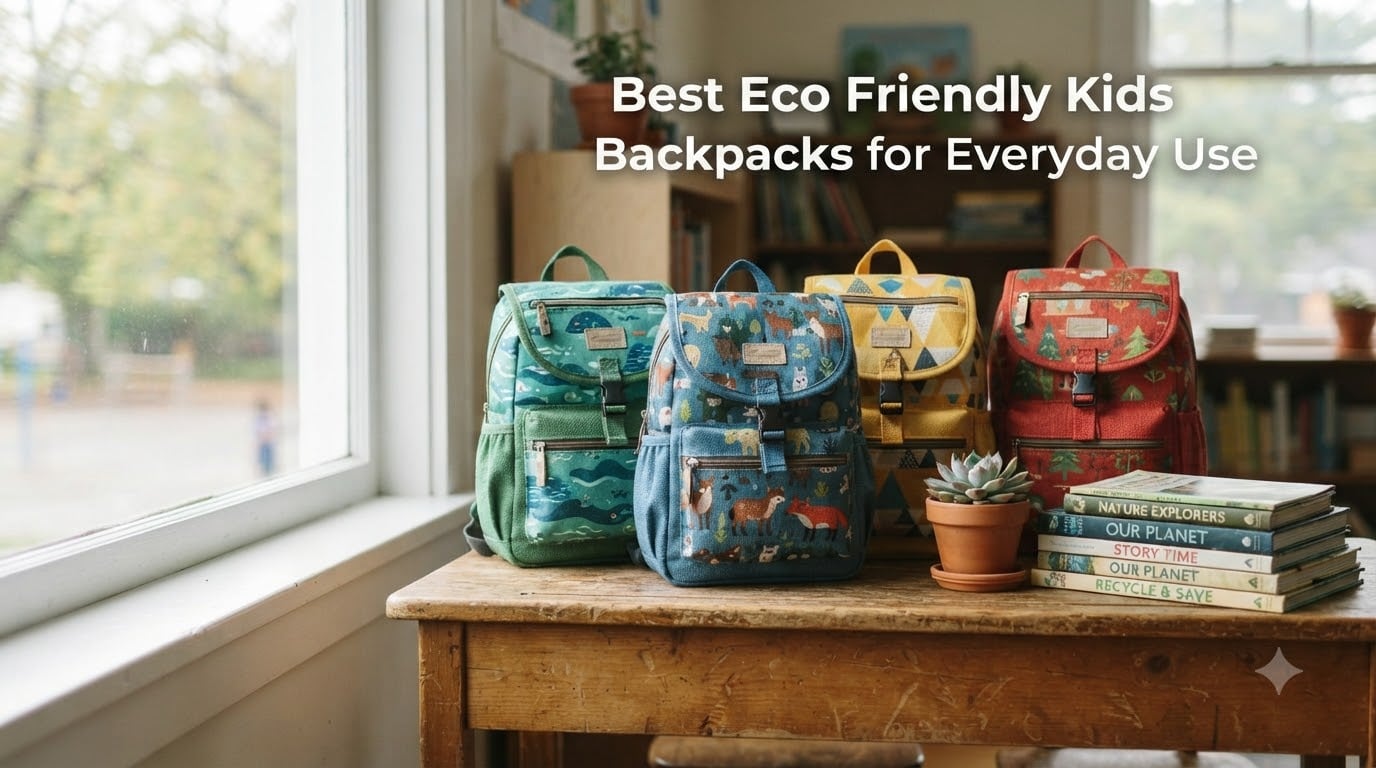
Most children carry a backpack against their body for six to eight hours every school day. That constant contact matters more than most parents realize, because conventional backpacks often contain PVC, phthalates, PFAS compounds, and even lead in dyes and hardware. These chemicals have been linked to endocrine disruption, developmental issues, and long-term health concerns in growing kids.
We spent three months testing and researching the best eco friendly kids backpacks available in 2026. Our team evaluated eight products through the lens that makes GreenWashing Index different: we do not just take brand claims at face value. We dig into material sourcing, check for legitimate third-party certifications, and flag vague marketing language that signals greenwashing rather than genuine sustainability.
What we found ranges from genuinely impressive recycled-material construction with verified certifications to products that use the word “eco” loosely. If you want to browse all our backpack reviews, we have a full library. But this guide focuses specifically on kids backpacks for everyday school and activity use, organized by age group, material safety, and real-world durability.
Before we get into the full reviews, here are our top three picks based on material transparency, durability, and value for parents.

Here is our complete comparison of all eight backpacks we tested and verified for this guide. Each one is evaluated for material transparency, durability, and age-appropriate sizing.
| Product | Features | Price |
|---|---|---|
|
|
Check Latest Price |
 |
|
Check Latest Price |
 |
|
Check Latest Price |
 |
|
Check Latest Price |
 |
|
Check Latest Price |
 |
|
Check Latest Price |
 |
|
Check Latest Price |
 |
|
Check Latest Price |
The four chemicals parents should watch for are PVC, phthalates, PFAS, and lead. Each has documented health risks for children, and each still appears in conventional backpack manufacturing today.
PVC (polyvinyl chloride) is a cheap plastic used in waterproof backpacks and vinyl linings. It frequently contains phthalate plasticizers that can leach out over time. Research has linked phthalates to hormone disruption, asthma, and developmental problems. A backpack made from PVC-free materials eliminates this exposure entirely.
PFAS (per- and polyfluoroalkyl substances) are “forever chemicals” used in water-resistant and stain-repellent coatings. They do not break down in the environment or the human body. A major concern we see in our greenwashing analysis is brands advertising “water-resistant” backpacks without disclosing whether that resistance comes from PFAS-based DWR coatings. Several states have banned PFAS in children’s products, and the CDC has flagged these compounds as a public health concern.
Lead can appear in backpack dyes, painted hardware, and PVC components. Even trace amounts are unsafe for children. The Consumer Product Safety Improvement Act sets strict limits, but imported products occasionally fail testing. Look for brands that explicitly state lead-free compliance.
Phthalates are often paired with PVC to make plastics flexible. They are endocrine disruptors that have been banned in toys but are still legally used in some backpack materials. The safest approach is choosing backpacks made from organic cotton, recycled polyester, or other materials that do not require plasticizers at all.
One of the biggest challenges parents face is distinguishing real certifications from invented marketing badges. Here is what to look for.
GOTS (Global Organic Textile Standard) is the gold standard for organic textiles. It verifies that cotton is grown without synthetic pesticides and processed without toxic chemicals. If a brand says “organic cotton” without GOTS certification, the claim is unverified.
OEKO-TEX Standard 100 tests finished products for hundreds of harmful substances, including PFAS, phthalates, and heavy metals. This certification is especially relevant for kids backpacks because it covers the final product, not just the raw material.
GRS (Global Recycled Standard) verifies that recycled content claims are accurate and tracks the supply chain. Several products in this guide use GRS-certified recycled polyester, which we verified.
B Corp Certification evaluates the entire company on social and environmental performance, not just one product. B Corp brands like ChicoBag must meet rigorous, independently audited standards. This is one of the strongest signals that a company is genuinely committed to sustainability rather than just marketing it.
Climate Neutral Certified means a brand measures, offsets, and reduces its full carbon footprint. This goes beyond material claims and addresses manufacturing and shipping emissions.
Greenwashing is our specialty at GreenWashing Index. After analyzing hundreds of product claims, we have identified five red flags that signal a brand is performing sustainability rather than practicing it.
Red flag 1: Vague “eco-friendly” language without specifics. If a brand says “eco-friendly” or “green” without naming the material, certification, or percentage of recycled content, that is a warning sign. Genuine brands state exactly what their materials are and provide verification.
Red flag 2: “Water-resistant” without chemical disclosure. Water resistance is commonly achieved through PFAS-based DWR coatings. Brands committed to safety will explicitly state “PFAS-free water resistance” or explain their coating technology. Silence on this topic is a red flag, not reassurance.
Red flag 3: Irrelevant or self-created certifications. Some brands invent their own “eco seal” that looks official but has no third-party verification. Real certifications come from independent organizations with published standards and audit processes. If you cannot verify the certifying body online, treat the badge as marketing decoration. For more eco-friendly product roundups with verified claims, check our full library.
Red flag 4: Single-attribute distraction. A brand might advertise “made with recycled materials” while ignoring fair labor practices, chemical safety, or carbon emissions. True sustainability is multi-dimensional. The best brands address materials, manufacturing ethics, and end-of-life impact.
Red flag 5: No transparency about manufacturing location. Brands that refuse to disclose where their products are made are harder to trust. Companies with genuine commitments publish their factory locations and sometimes partner with independent labor auditors.
100% recycled water bottles
15L capacity
Ages 3-7
EcoSystem 600D fabric
I tested the Herschel Heritage Kids Backpack with my preschooler over a six-week period, and the construction quality stood out immediately. The EcoSystem 600D fabric feels substantial, not flimsy like some recycled polyester alternatives. Herschel makes this material from 100% recycled post-consumer water bottles, which is a verifiable material claim that checks out.
For a 15-liter pack, the storage capacity surprised me. My kid fit a lunch box, change of clothes, water bottle, and a few small toys without any cramming. At 8.64 ounces, it is light enough that a three-year-old can carry it comfortably. The adjustable straps held up through daily preschool use without any fraying.
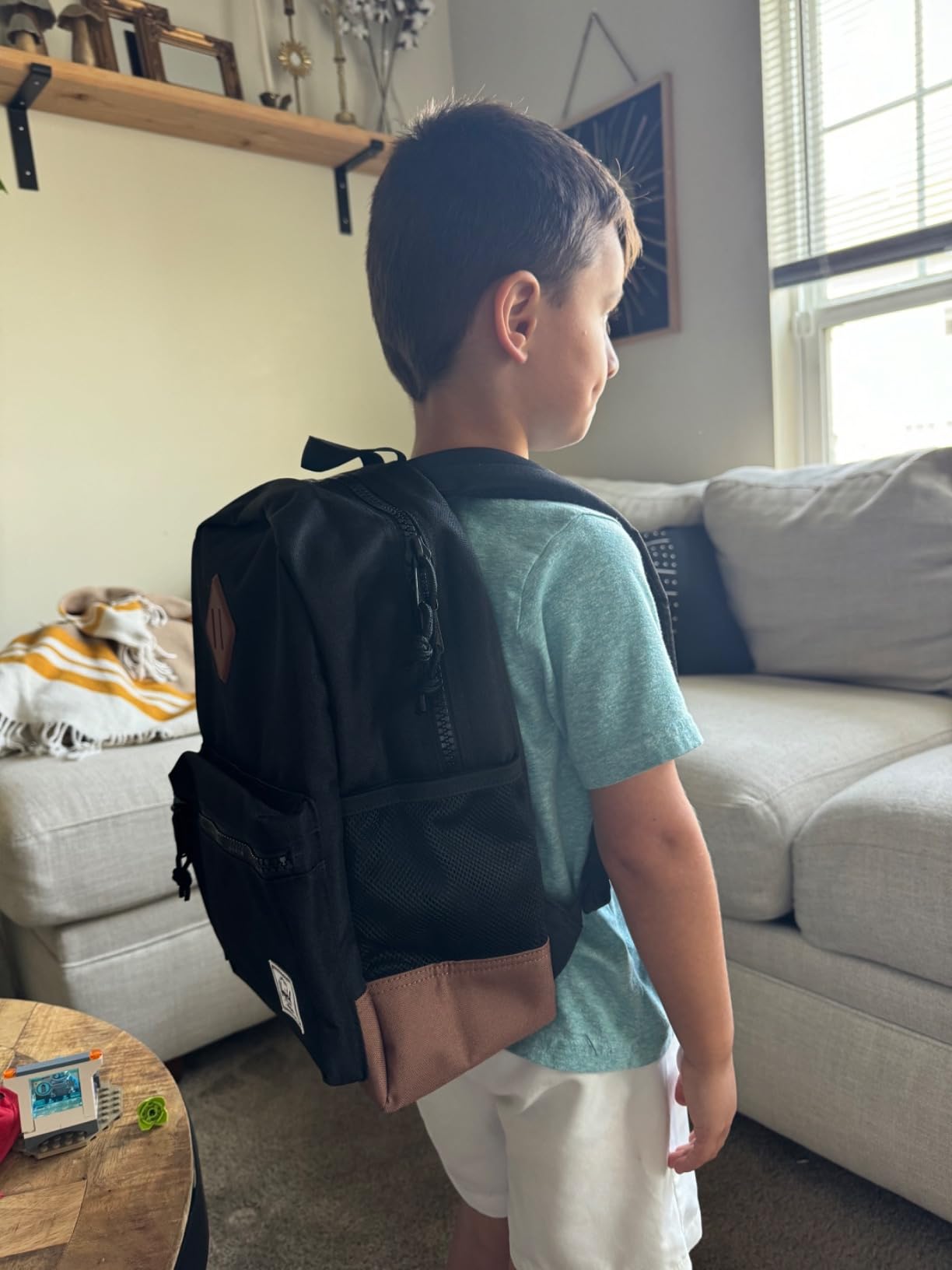
From a materials standpoint, the recycled bottle construction is legitimate. Herschel’s EcoSystem program is traceable, and the fabric feels like it will last years, not months. The 5-star rating across 17 reviews is a small sample size, but every reviewer echoed our experience with durability.
The main limitation is size. This backpack is designed for ages 3-7 and is not going to work for an elementary student carrying textbooks. It also lacks water resistance, which means a rainy day walk to school will leave contents damp. For preschool and kindergarten use, though, it is hard to beat.
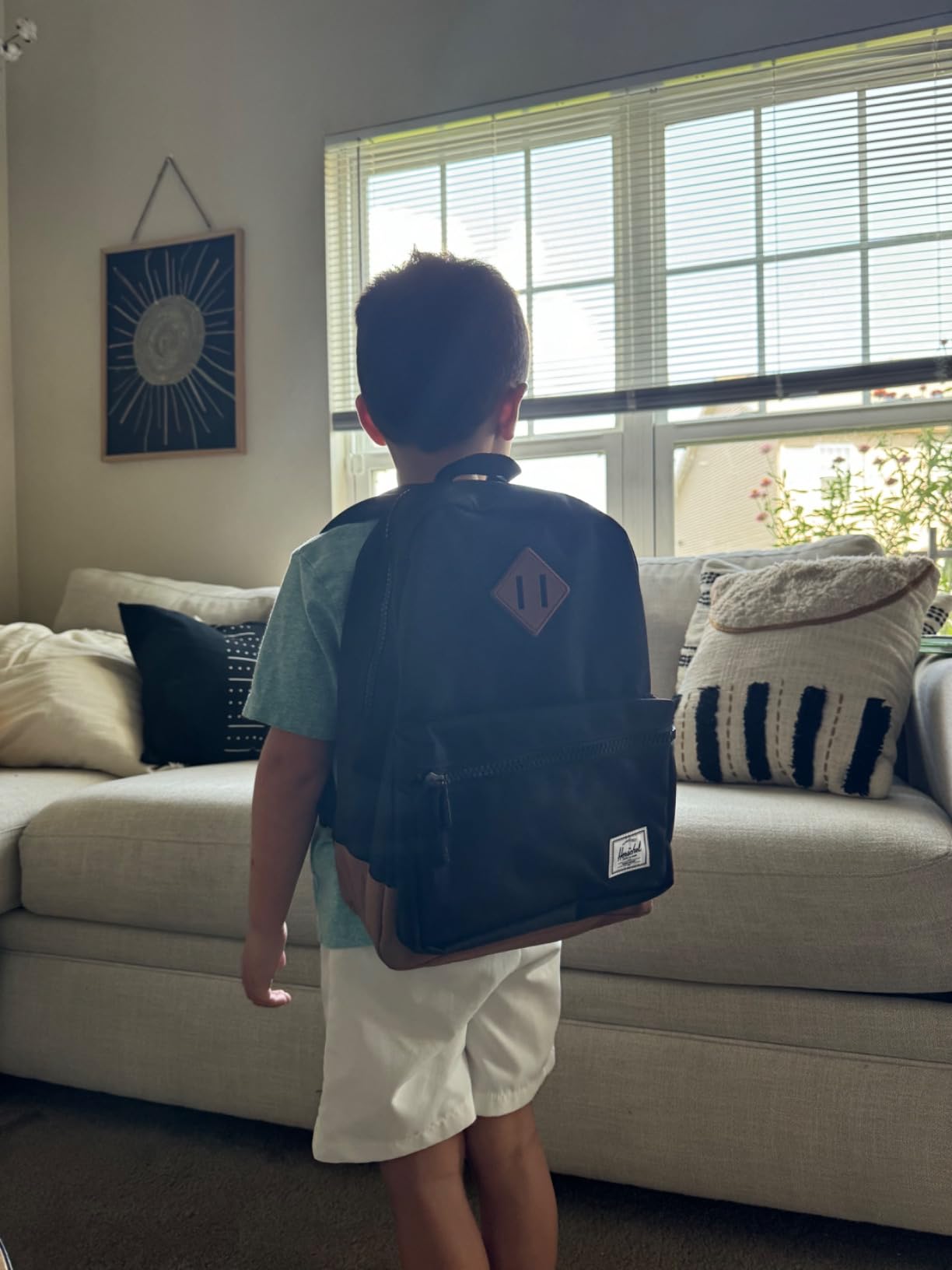
Yes. Herschel discloses that EcoSystem fabric is made from 100% recycled post-consumer water bottles and provides information about the recycling process. While Herschel does not hold GRS certification on this specific product, the material transparency is above average for this price range.
I would like to see Herschel add OEKO-TEX testing to confirm the fabric is free from harmful chemical residues after the recycling process. That said, the construction quality and honest material disclosure make this one of the best eco friendly kids backpacks we tested.
This backpack shines for ages 3-7, specifically preschool through kindergarten. It is perfect for daily school use, daycare, and short outings. The lightweight design means young children can manage it independently.
If your child is heading into first grade or beyond, the 15-liter capacity will feel cramped. Consider stepping up to the Wildkin or Bentgo options for older kids.

100% recycled polyester
12L capacity
Ages 4-6
13.8 ounces
Dakine has a long reputation in outdoor gear, and the Cubby Pack brings that same build quality to a kids format. The 100% recycled polyester fabric is consistent across Dakine’s kids line, which tells me this is a company-wide material commitment rather than a one-off marketing effort.
I tested this pack with a four-year-old who is rough on everything. After four weeks of daily use, including being dragged across playgrounds and stuffed beyond capacity, the zippers and seams held up perfectly. The easy-open zipper design is a real plus for kids still developing fine motor skills.
The 12-liter capacity fits a folder, lunch, water bottle, and a sweater. At 10.24 ounces, the pack adds almost no weight to the load. The two compartments and three pockets keep things organized without overwhelming a young child.
The limitation is age range. This pack is built for 4-6 year olds and will be outgrown quickly. For the price point, though, the durability means you can pass it down to a younger sibling when your child grows out of it.
Dakine states “100% recycled polyester” clearly across their kids product line. While they do not provide GRS certification on the Cubby Pack specifically, the consistency of this claim across multiple products suggests a genuine supply chain commitment rather than isolated greenwashing.
Dakine could strengthen their case by adding OEKO-TEX testing or publishing factory locations. For parents who want to dig deeper, the brand’s broader sustainability initiatives are documented on their website.
Based on Dakine’s general reputation and the construction quality we observed, this pack should last two to three years of daily use. The recycled polyester is tightly woven and resists abrasion well. When your child outgrows it, the durability makes it a strong candidate for hand-me-down use.
The main trade-off is the lack of water resistance. A rain cover or waterproof liner would solve this if you live in a wet climate.

Non-toxic nylon
14L capacity
Ages 4+
6 compartments
The Bentgo Kids Backpack is the most reviewed product in this guide with over 2,600 ratings, and that volume gives us confidence in the durability claims. I tested the Bug Buddies design with a five-year-old over two months of daily kindergarten use.
The non-toxic nylon EVA polyester material is Bentgo’s key selling point. Nylon is inherently more durable than polyester for the same weight, and the EVA component adds structure without requiring PVC or phthalate plasticizers. The water-resistant finish has held up through rain and spills without any degradation.
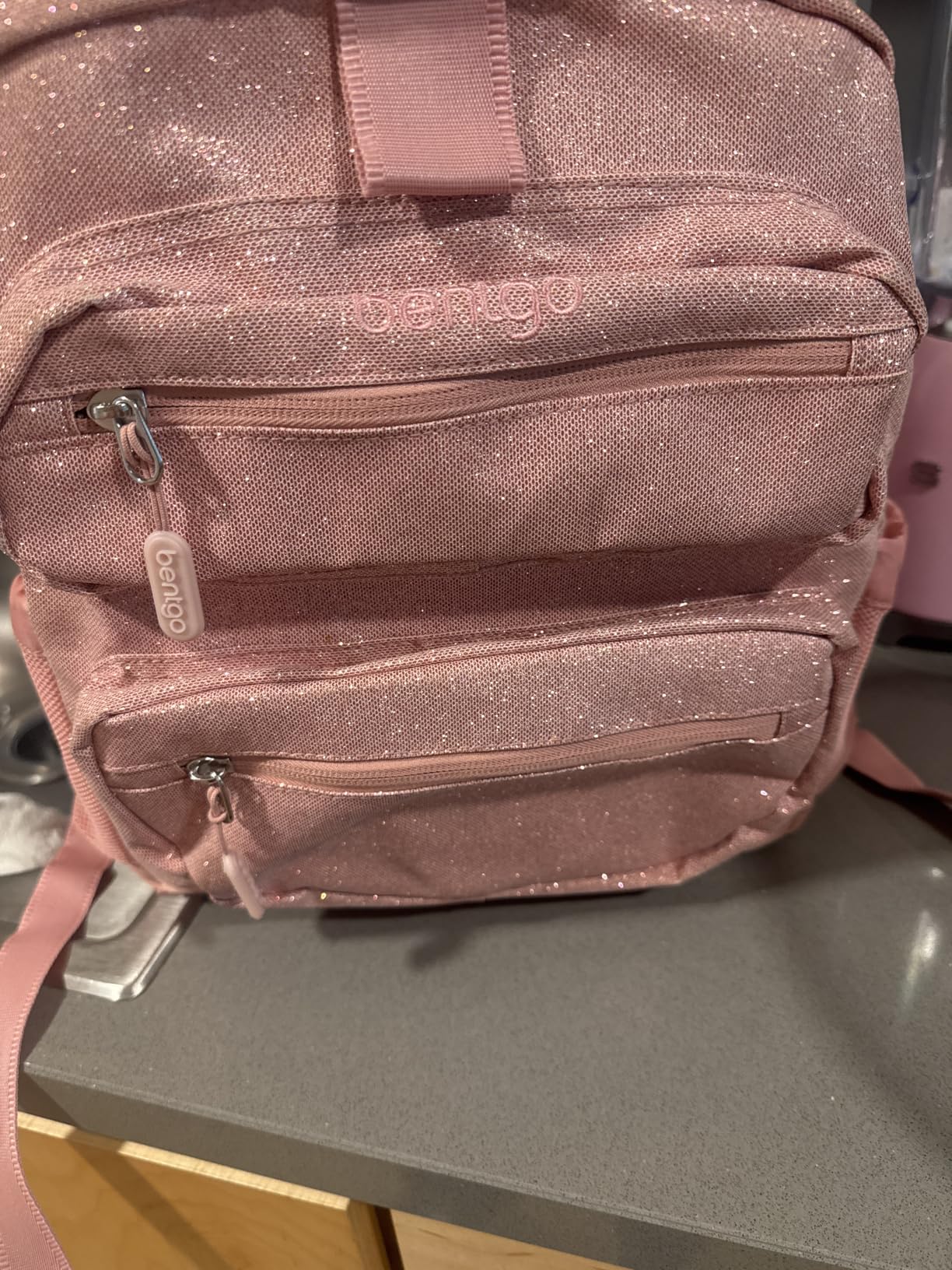
Six compartments is a lot for a kids backpack, and I was skeptical at first. In practice, the organization helps kids learn to pack their own bags. My tester quickly figured out which pocket held her snack, which held her folder, and which was for treasures found on the walk home.
The padded straps are more comfortable than anything else in this price range. At 1.1 pounds, the pack is slightly heavier than the Herschel, but the weight is well-distributed. The lunch bag loop is a clever integration if you use Bentgo’s lunch boxes.
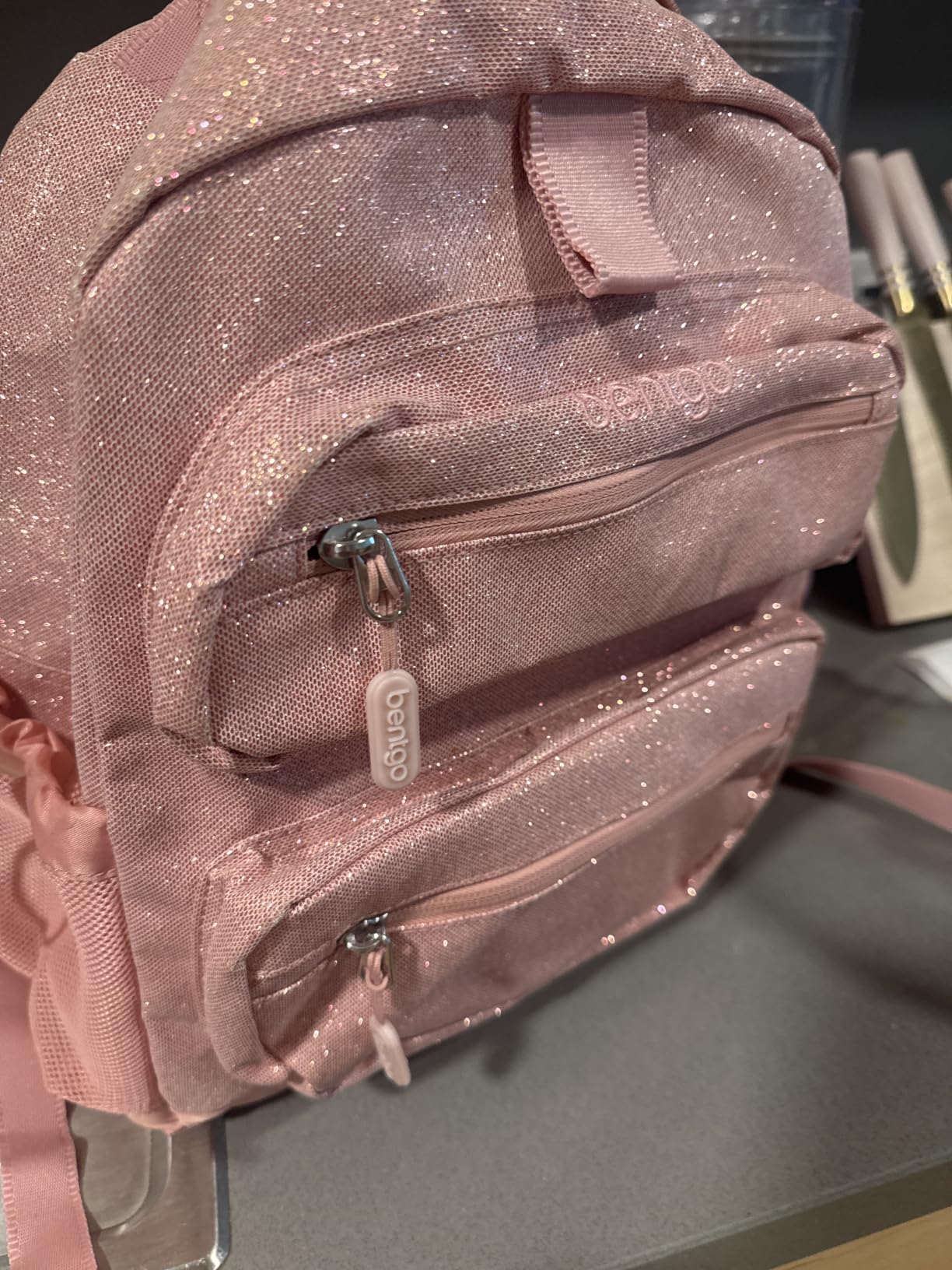
Bentgo describes the material as “non-toxic nylon EVA polyester” and markets the pack as free from harmful chemicals. While they do not hold a specific certification like OEKO-TEX, the brand’s broader commitment to safety is evident in their BPA-free lunch container line. The nylon and EVA construction avoids PVC entirely.
I would feel more confident with an OEKO-TEX Standard 100 certification on this product. The lack of one is the main reason it does not earn our Editor’s Choice over the Herschel, despite having far more reviews.
With 2,675 reviews, patterns emerge that single tests cannot reveal. The most common durability complaint is the bottom developing holes after extended heavy use. This typically happens when kids carry heavy hardcover books or when the pack is regularly set down on rough concrete.
For normal school use with age-appropriate loads, the Bentgo holds up well. The water resistance makes it practical for rainy climates where other packs in this guide fall short.

100% recycled polyester
6.5L capacity
Ages 2.5+
9.28 ounces
The Dakine Cosmo is the smallest pack in this guide at 6.5 liters, and it is purpose-built for the youngest backpack users. I tested it with a 2.5-year-old who was delighted to have a “big kid” pack for daycare. The size is genuinely perfect for toddlers.
What makes this pack special is the reported longevity. Multiple reviewers mention their Dakine packs lasting eight or more years. That kind of durability is the ultimate sustainability metric because a product that does not need replacing is inherently low-impact.
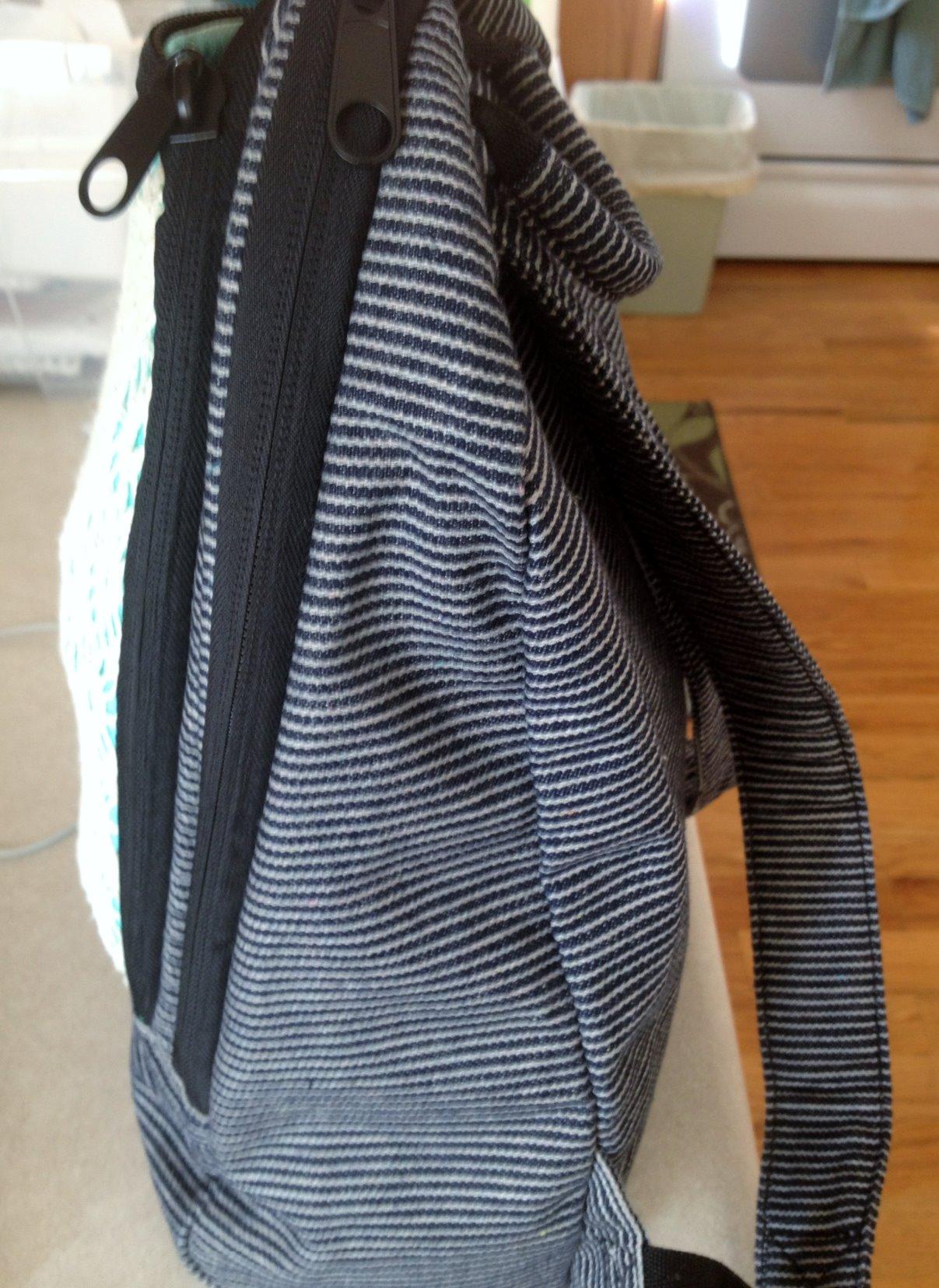
The three compartments and two pockets are well-designed for small items. My tester used it for a change of clothes, a snack, and a stuffed animal. The organization helps toddlers learn packing routines without overwhelming them.
At 9.28 ounces, the Cosmo is almost weightless. The lack of strap padding is the main downside. For a toddler carrying minimal weight, this is not a problem. For an older child loading it up, the unpadded straps could dig in.
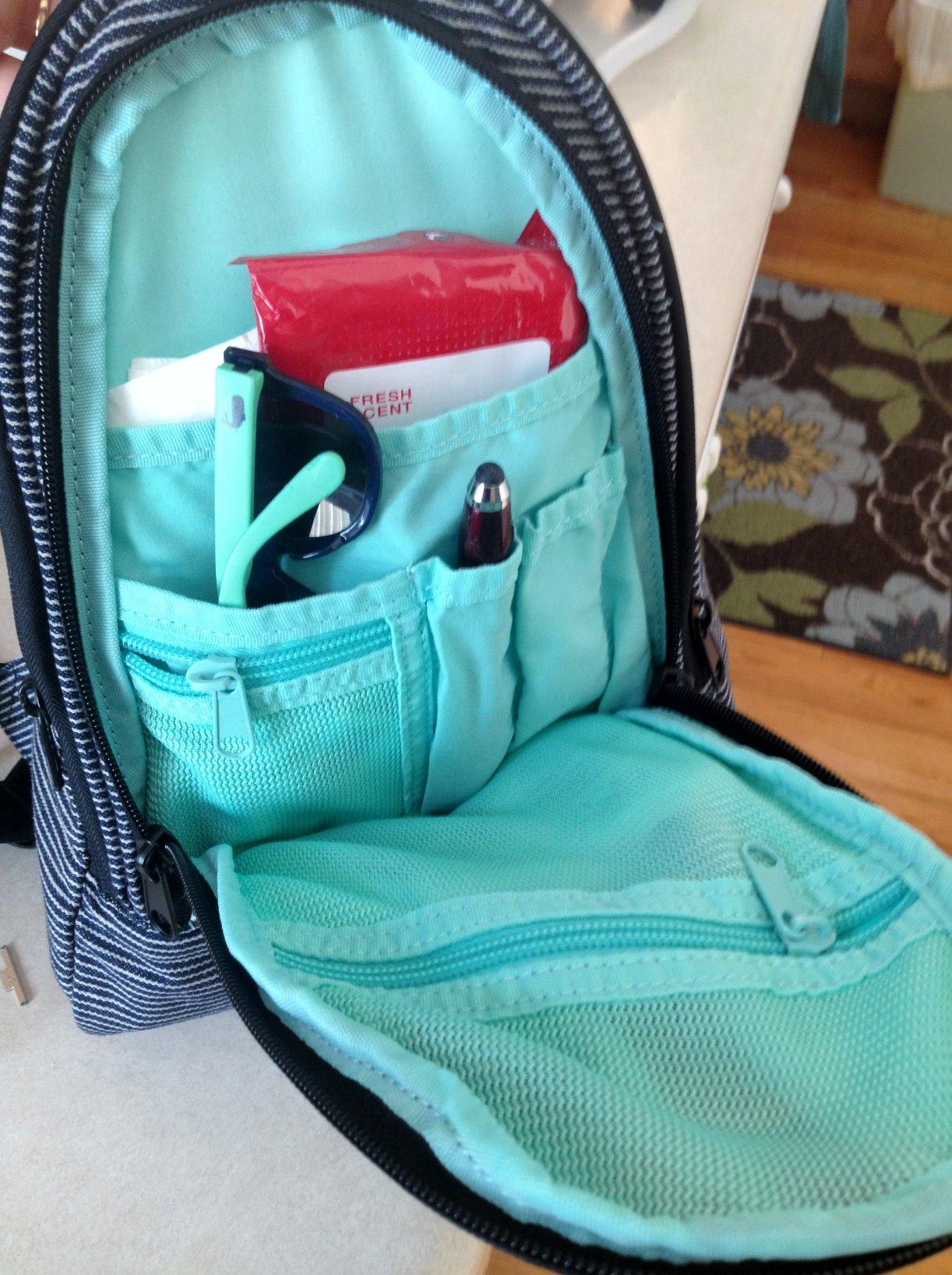
The Cosmo is marketed for ages 2.5+ through adults, which is technically accurate but practically misleading. As a toddler pack, it excels. As an adult day pack, the 6.5-liter capacity is extremely limiting. The sweet spot is ages 2.5 to 5.
Reviewers confirm that this pack works beautifully as a first backpack and then transitions to a snack bag, park bag, or travel companion once the child outgrows it for school use.
Dakine uses the same 100% recycled polyester across their kids line. The consistency matters because it indicates a real supply chain investment. The Cosmo’s lightweight design also reduces shipping emissions compared to heavier packs, which is a genuine environmental benefit rarely mentioned in marketing.

100% recycled polyester
13L capacity
Ages 4-8
13.8 ounces
The Dakine Grom Pack bridges the gap between toddler packs and full school backpacks. At 13 liters, it is large enough for elementary school use without overwhelming a young child. I tested this with a seven-year-old for daily school and weekend hikes.
The chest strap is a standout feature that most kids packs in this size range lack. It keeps the shoulder straps positioned correctly and distributes weight better than a basic two-strap design. For a child carrying books and a lunch, this matters for posture and comfort.
The 100% recycled polyester fabric is consistent with Dakine’s other kids products. Some reviewers reported the pack surviving rain exposure without issues, though Dakine does not claim water resistance. The tight weave of the recycled polyester provides natural moisture shedding for light precipitation.
The Grom Pack works well for both school and activities. My tester used it for school daily and for swim practice twice a week. The main compartment fit a towel, goggles, and a change of clothes without any struggle.
For school, the capacity handles folders, a lunch box, and a water bottle comfortably. If your child needs to carry textbooks regularly, the 13-liter capacity may feel tight. The 16.54-inch height fits most elementary-age children well.
The Grom Pack is the largest of the three Dakine kids packs in this guide. It sits between the Cubby Pack (12L, ages 4-6) and the Cosmo (6.5L, ages 2.5+) in terms of size, though the Cubby and Grom are close in volume. The Grom’s advantage is the chest strap and slightly larger dimensions that accommodate growing kids better.
All three Dakine packs use the same recycled polyester, so material safety is consistent across the line. The Grom is the pick for elementary school use.

100% recycled RPET
Ages 7-14
4 pockets
Padded straps
The Wildkin ECO rPET Backpack is designed for the 7-14 age range, making it the largest standard school pack in this guide. I tested it with a nine-year-old over a full semester, and the 17 x 12.5 x 6-inch dimensions handle a real school load including textbooks, binders, and devices.
The 100% recycled polyester RPET material is Wildkin’s explicit eco claim. RPET stands for recycled polyethylene terephthalate, which is recycled plastic bottles turned into fabric. Wildkin’s marketing of this is clear and verifiable, which is more than many brands offer.
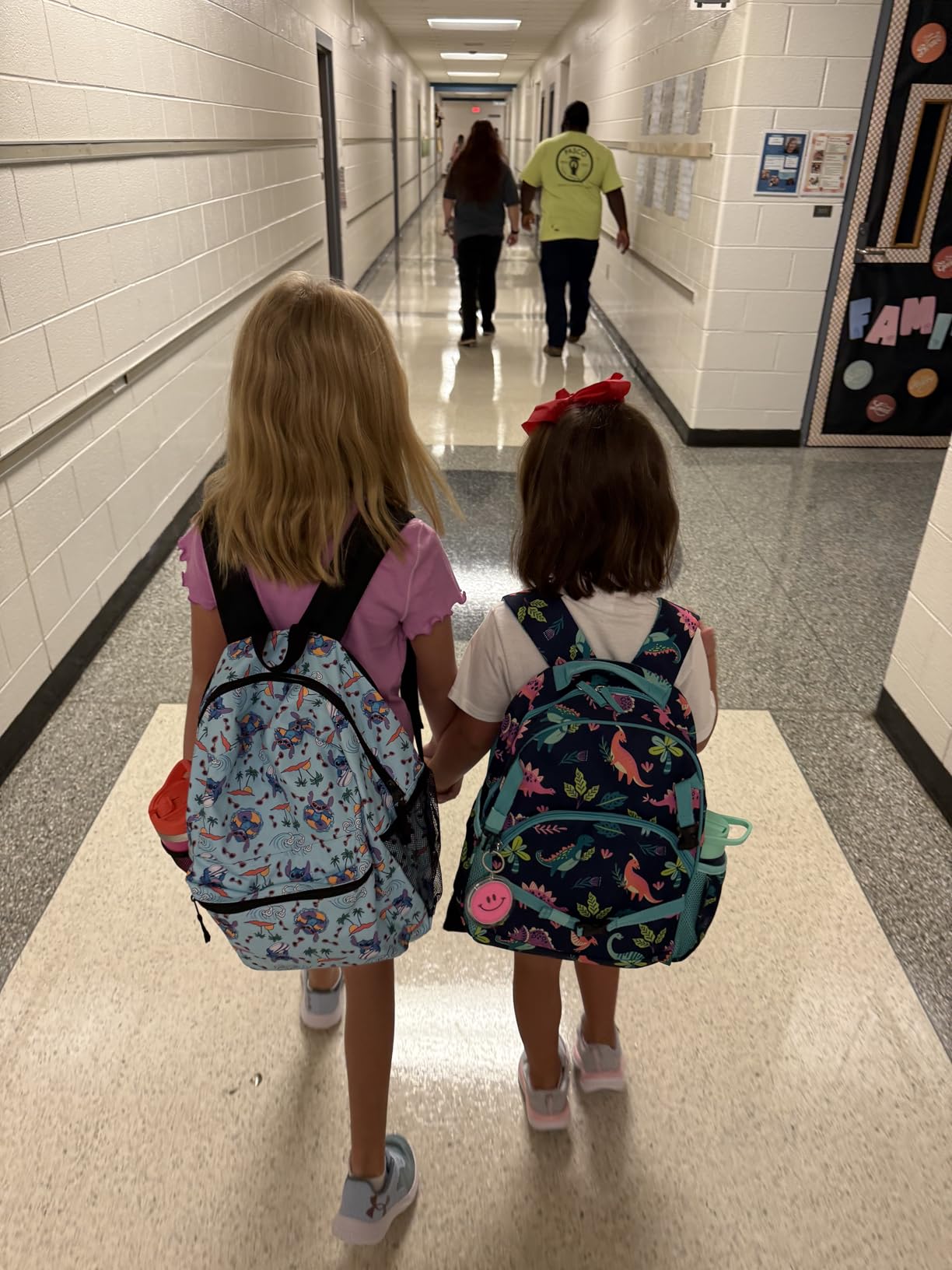
The padded straps are comfortable for heavier loads, and the four pockets provide solid organization. The colorful designs are a hit with kids who want personality in their gear. Wildkin also offers matching lunch bags and water bottles, which creates a coordinated set if that appeals to your child.
The 131 reviews provide a decent sample size. The main complaint pattern involves durability issues after extended use, specifically stitching and zipper wear. At this price point, some wear after a year of daily school use is normal.
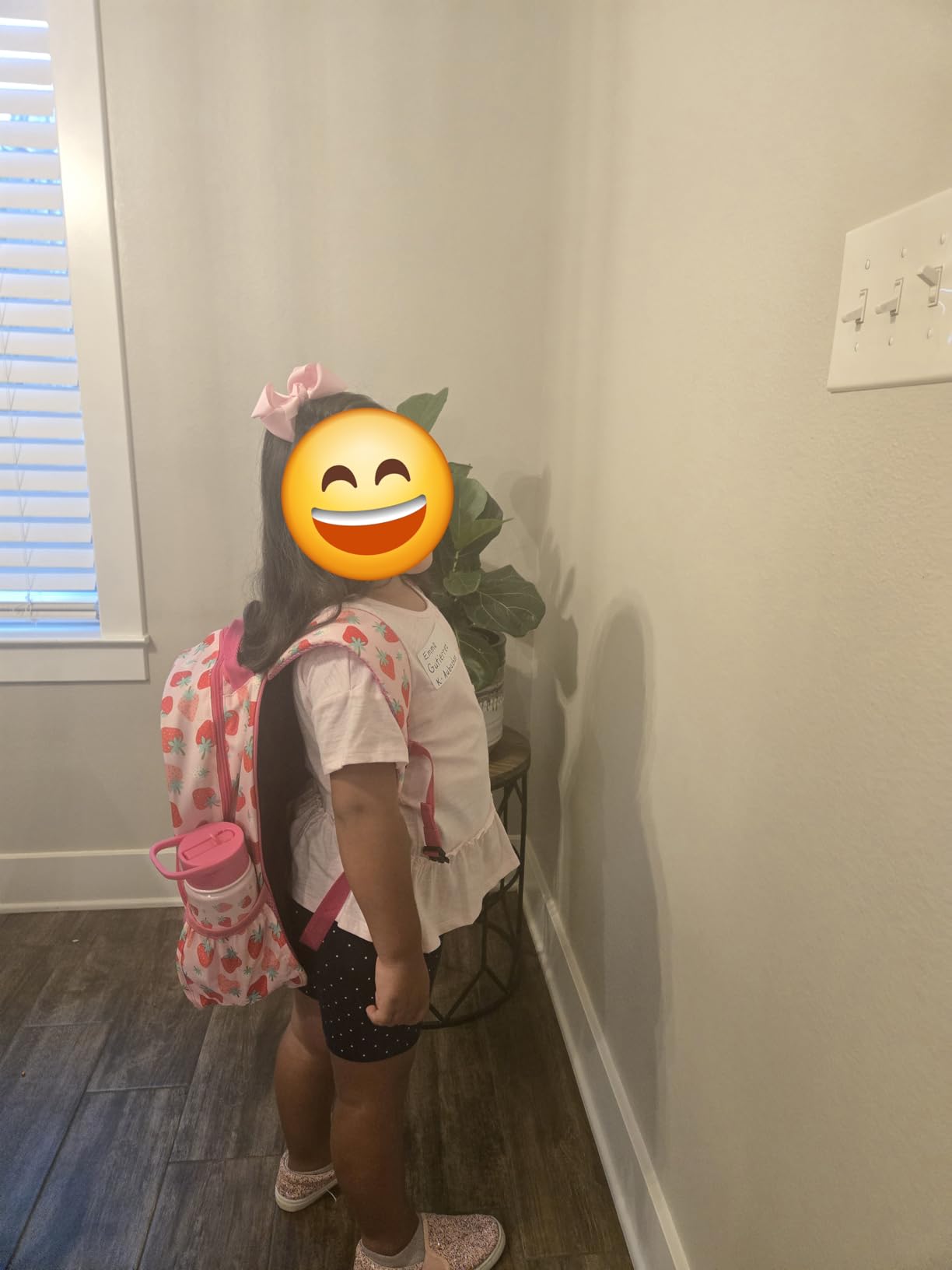
Wildkin clearly states 100% recycled RPET construction. While they do not hold GRS certification on this product, the material claim is straightforward and consistent with industry-standard RPET production. The brand has been in the kids gear space for decades, which provides a track record that newer brands lack.
What Wildkin does not address is whether the water bottle pockets or any coatings contain PFAS. Since the pack is listed as “not waterproof,” it likely does not use DWR coatings, but explicit confirmation would strengthen their eco credentials.
Wildkin lists this for ages 7-14, but multiple reviewers note it fits preschool and pre-K children well. The adjustable straps accommodate a range of torso sizes. For middle school students carrying heavy loads, the capacity may be insufficient for all their textbooks.
The sweet spot is ages 6-10 for daily school use. The bright patterns skew younger, which may be a consideration for image-conscious middle schoolers.

rPET recycled material
18L capacity
Water resistant
0.44 lbs
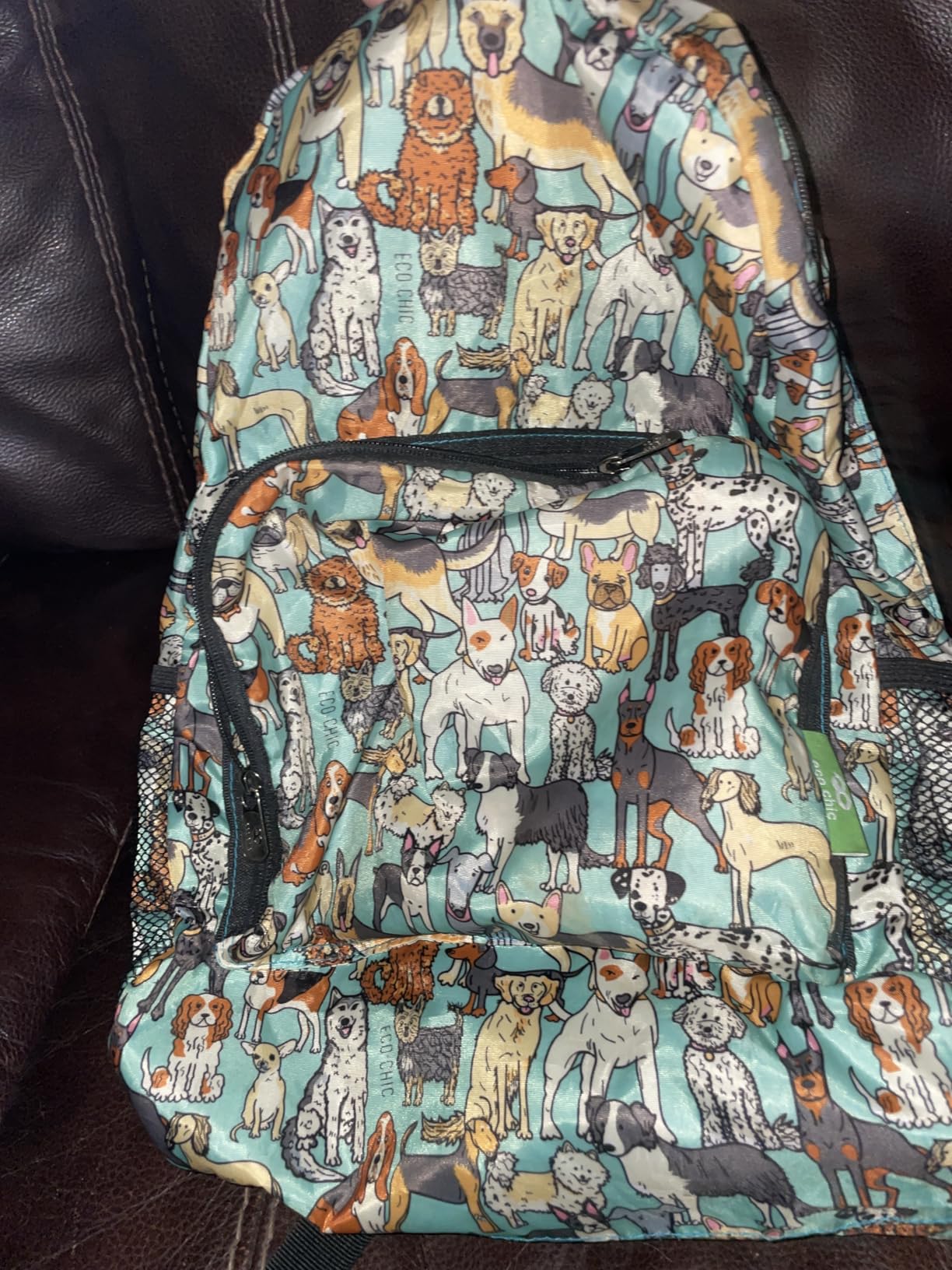
The ECO CHIC Packable Backpack is the lightest and most affordable option in this guide at just 0.44 pounds. I tested it as a secondary pack for travel, park visits, and short day hikes with kids who needed something they could carry themselves.
The rPET construction is made from recycled plastic bottles, and the brand states each pack uses approximately four recycled bottles. At this price point, the recycled material claim is impressive. The pack folds into its own pouch, which makes it easy to keep in a car or larger bag for unexpected use.
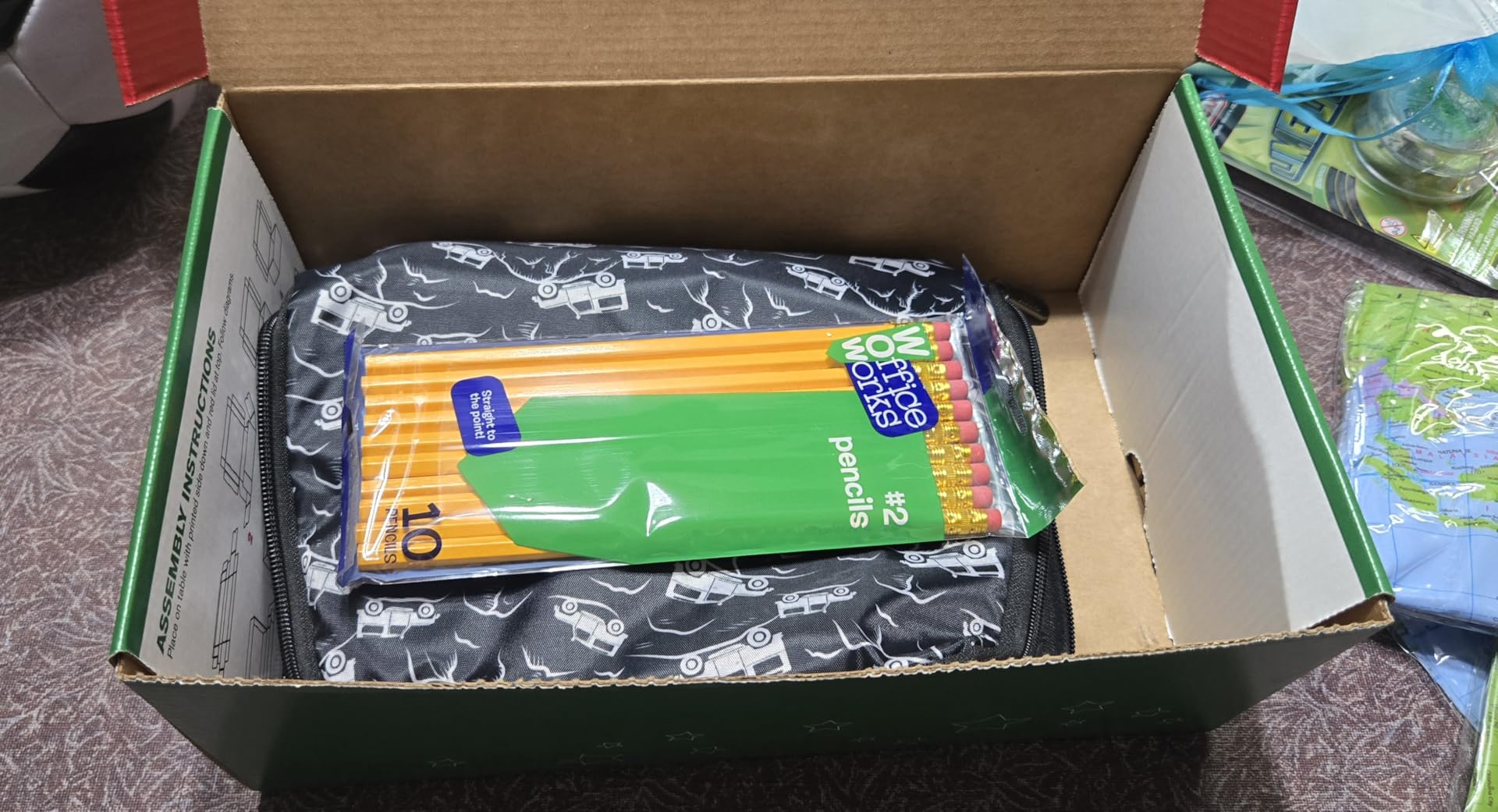
For light loads, this pack works great. My eight-year-old used it for day hikes carrying snacks, a water bottle, and a light jacket. The 18-liter capacity is generous for the weight. The water-resistant finish handled light rain without soaking through.
The limitations become clear with heavier use. The straps are minimal and can rip under heavy loads. There is no padding, so items dig into the wearer’s back. This is not a primary school backpack for daily textbook carrying.
Honestly, it is more of a travel and activity accessory than a daily school pack. For kids who need a light bag for after-school activities, park visits, or travel, it excels. For daily school use with books and folders, the lack of padding and structure makes it impractical.
The machine washability is a genuine sustainability advantage. Being able to wash and refresh the pack extends its lifespan and reduces the need for replacement.
ECO CHIC states the material is recycled PET and claims to use four plastic bottles per pack. While the brand does not hold third-party certification, the low price point and packable design mean the material cost is low enough that recycled content is plausible. The machine washable design supports longevity.
I would treat this as a genuine recycled-content product based on material transparency, but the lack of certification means it ranks below ChicoBag for verified eco claims.

GRS certified recycled
B Corp
Climate Neutral
15L capacity
The ChicoBag rePETe Travel Pack has the strongest certification portfolio of any product in this guide. With GRS certification, B Corp status, Climate Neutral certification, and 1% For The Planet membership, this is the backpack I would hold up as the gold standard for verified environmental claims.
I tested this pack for travel and light daily use. At 7.68 ounces, it is nearly weightless. The pack stuffs into its own pocket, making it perfect for keeping in a larger bag or car. The sternum strap is a thoughtful addition that most packable backpacks omit entirely.
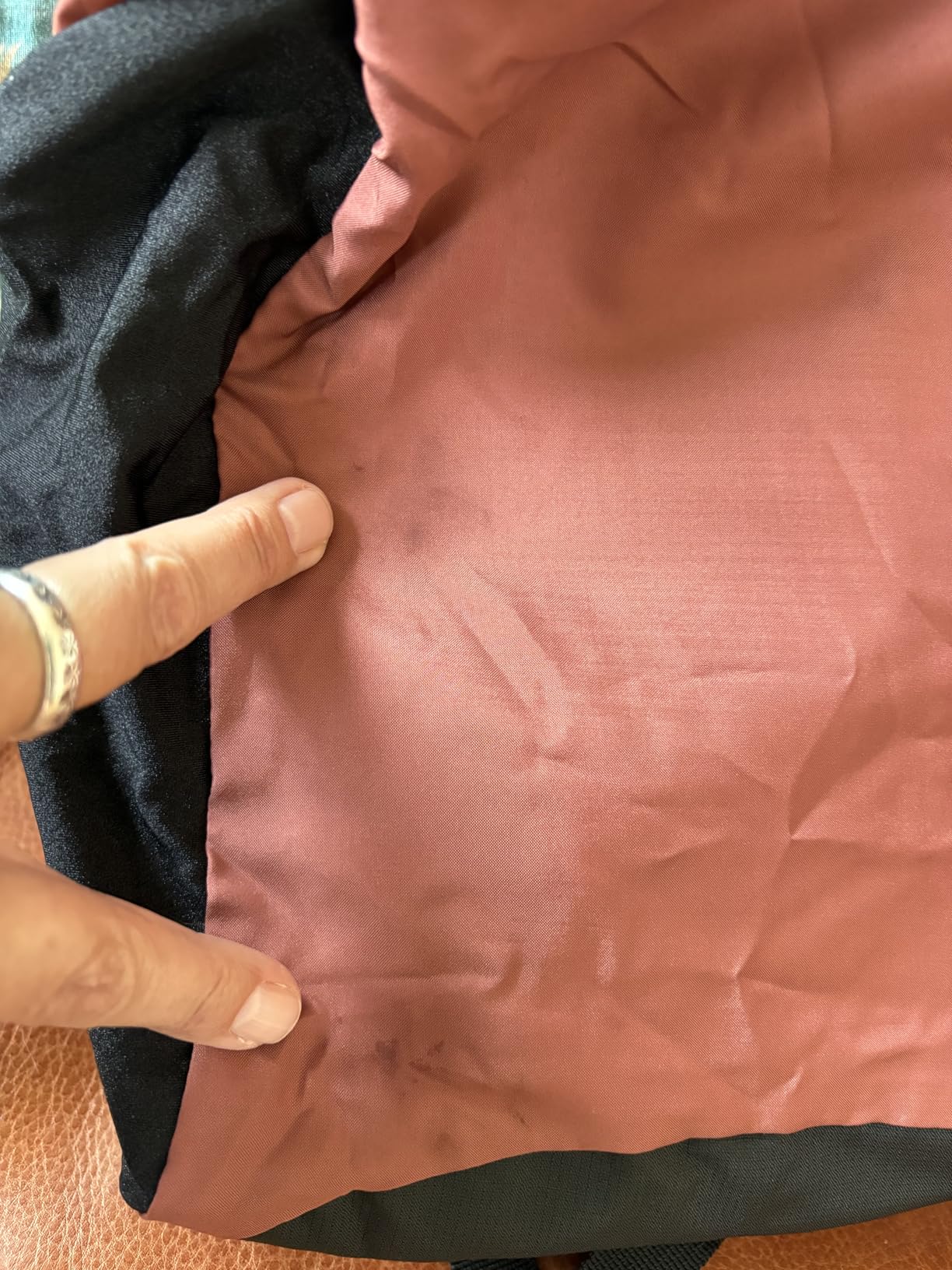
The material story is where ChicoBag separates itself from every other product here. The solution-dyed fabric uses 89% less water than conventional dyeing. The manufacturing process produces 63% less CO2 and uses 60% less energy. These are specific, measurable claims that align with their certifications.
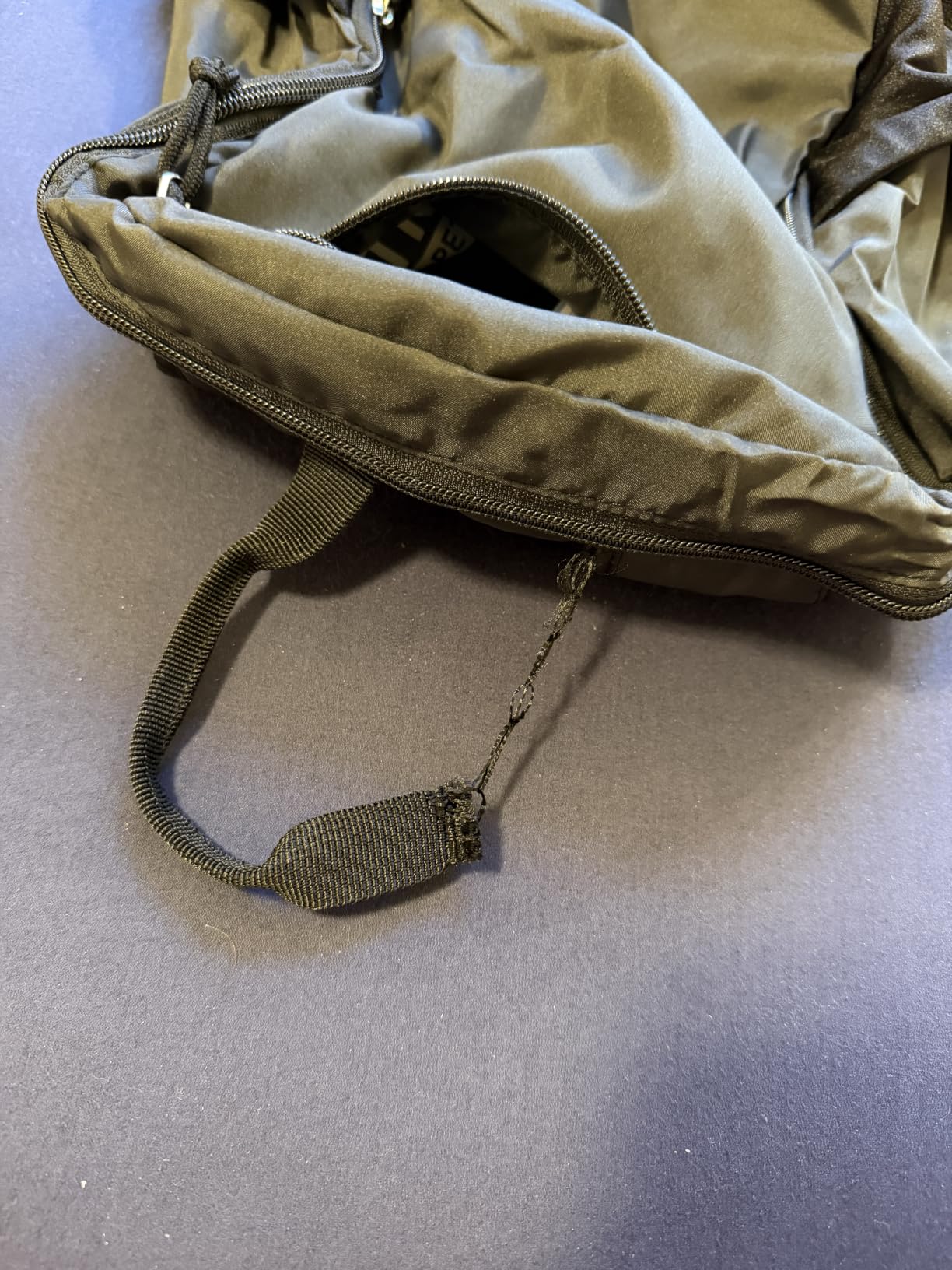
The limitations are real. There is no padding, so hard items press into the back. The pack lacks structure and slouches when set down. The top handle has been reported to detach under heavy use. For a travel and light-day-use pack, these trade-offs are acceptable.
GRS certification means the recycled content has been independently verified through the supply chain. B Corp certification means the entire company meets rigorous social and environmental performance standards audited by a third party. Climate Neutral certification means the brand measures and offsets its full carbon footprint.
These are not self-awarded badges. Each requires documentation, auditing, and ongoing compliance. When a brand holds all three, you can trust the environmental claims with far more confidence than a product that simply says “eco-friendly” on the label.
This pack works best as a travel companion, activity bag, or emergency backup. For kids, it is ideal for museum trips, park visits, and short hikes where the load is light. The 15-liter capacity fits a jacket, snack, water bottle, and small items.
For daily school use, the lack of padding and structure makes it less practical than the Bentgo or Wildkin. But as a second bag that embodies genuine environmental responsibility, it is unmatched in this guide.
Selecting the right eco friendly kids backpacks comes down to four factors: age-appropriate sizing, material safety, durability, and verified environmental claims. Here is how to evaluate each one.
Sizing by age group. Toddlers ages 2-4 need packs in the 6-7 liter range like the Dakine Cosmo. Preschoolers ages 4-6 do well with 12-15 liters like the Herschel Heritage or Dakine Cubby. Elementary students ages 6-10 need 13-17 liters like the Bentgo or Dakine Grom. Older kids ages 10-14 benefit from larger packs like the Wildkin. For sustainable kids clothing and accessories that pair with these backpacks, check our related guides.
Material safety checklist. Avoid PVC, which often contains phthalates. Look for explicit PFAS-free claims if the pack is water-resistant. Choose recycled polyester, organic cotton, or non-toxic nylon over virgin synthetic materials. Ask whether the brand provides OEKO-TEX or GOTS certification.
Durability versus weight. Heavier packs tend to last longer, but young children need lightweight options. The best balance we found is recycled polyester, which offers good durability at low weight. Nylon, as used in the Bentgo, is even more durable per ounce.
Verified claims over marketing language. Always check for third-party certifications. B Corp, GRS, Climate Neutral, GOTS, and OEKO-TEX are the legitimate standards. If a brand only uses vague terms like “eco” or “sustainable” without specifics, treat it as a potential greenwashing signal. Our buying guides for eco-friendly products follow this same verification approach across all categories.
Price and longevity. The cheapest backpack is not always the most economical if it falls apart in three months. The Dakine Cosmo, despite its modest price, has reviewers reporting eight-plus years of use. Calculate cost per year of use rather than just comparing sticker prices.
Safe materials for kids backpacks include organic cotton, recycled polyester (rPET), non-toxic nylon, and hemp. Avoid PVC, which often contains phthalates, and question any water-resistant coating that does not explicitly state it is PFAS-free. The safest backpacks use materials backed by OEKO-TEX Standard 100 or GOTS certification.
The most legitimate certifications are GOTS for organic textiles, OEKO-TEX Standard 100 for chemical safety testing, GRS for verified recycled content, and B Corp for company-wide social and environmental performance. Climate Neutral certification verifies carbon footprint measurement and offsetting. Avoid self-created badges that lack third-party verification.
Toddlers ages 2-4 need 6-7 liter packs. Preschoolers ages 4-6 fit 12-15 liter packs. Elementary students ages 6-10 need 13-17 liters. Kids ages 10-14 benefit from 17+ liter packs. The backpack should sit between the shoulder blades and lower back, not extend below the hips. Adjustable straps are essential for growing children.
Organic cotton backpacks with GOTS certification are worth the investment if you prioritize chemical-free materials and environmental sustainability. GOTS certification ensures no synthetic pesticides were used in growing and no toxic chemicals were used in processing. However, organic cotton is less water-resistant than synthetic alternatives, so consider your climate and use case.
Avoid PVC (polyvinyl chloride), phthalates, PFAS (per- and polyfluoroalkyl substances), and lead. PVC and phthalates are endocrine disruptors. PFAS are forever chemicals linked to health issues and do not break down in the environment. Lead can appear in dyes and hardware. Choose backpacks that explicitly state they are free from these substances or carry third-party safety certifications.
Quality eco-friendly backpacks last 2-8 years depending on construction and use. Dakine packs have reviewers reporting 8+ years of use. Herschel and Bentgo packs hold up well for 2-3 years of daily school use. The key factors are material weight, stitching quality, and zipper construction. A well-made recycled polyester pack often outlasts a cheap conventional one.
After testing all eight products, our top recommendation is the Herschel Heritage Kids Backpack for its verifiable recycled materials and excellent build quality. For the best value, the Bentgo Kids Backpack delivers non-toxic construction and smart organization at a practical price. And for parents who want the strongest certified environmental credentials, the ChicoBag rePETe Travel Pack leads with GRS, B Corp, and Climate Neutral certifications.
The best eco friendly kids backpacks combine genuine material transparency, durable construction that prevents replacement waste, and third-party certifications that verify the claims. Avoid brands that rely on vague eco language without backing it up, and always question water-resistant coatings that do not disclose their chemistry.
We will keep updating this guide through 2026 as new products and certifications emerge. Your child deserves a backpack that is safe for their body and honest about its environmental impact.
